India's tourism industry is making a strong pitch for formal recognition as an 'industry' and calling for a coordinated national branding effort under the 'Brand Bharat' initiative. The Federation of Associations in Indian Tourism & Hospitality (FAITH), which represents all major stakeholders in the sector, believes these measures are critical to unlocking the full potential of tourism in India.
What Does Industry Status Mean?
Industry status is a formal classification that various state and central governments in India grant to specific sectors. When tourism receives this designation, it becomes eligible for several benefits that manufacturing and other recognized industries enjoy. These include priority lending from banks at favorable interest rates, improved access to credit, infrastructure development support, and eligibility for various government incentives and subsidies.
Currently, tourism businesses often struggle to access institutional finance because they are classified under services rather than industry. This limits their ability to expand, modernize facilities, and compete with international standards.
Why Tourism Deserves Recognition
Tourism is one of India's fastest-growing economic sectors and a significant employment generator. The sector contributes substantially to GDP and foreign exchange earnings while supporting millions of livelihoods across hotels, restaurants, travel agencies, tour operators, transportation services, and cultural attractions.
Despite its economic importance, tourism has not received industry status at the central level, though some states have granted it. This fragmented approach creates uneven playing fields across different regions and limits the sector's ability to access uniform benefits and support systems.
The COVID-19 pandemic particularly highlighted tourism's vulnerability and the need for better institutional support. Many businesses collapsed or struggled to survive due to lack of adequate credit facilities and government backing during the crisis.
The Brand Bharat Concept
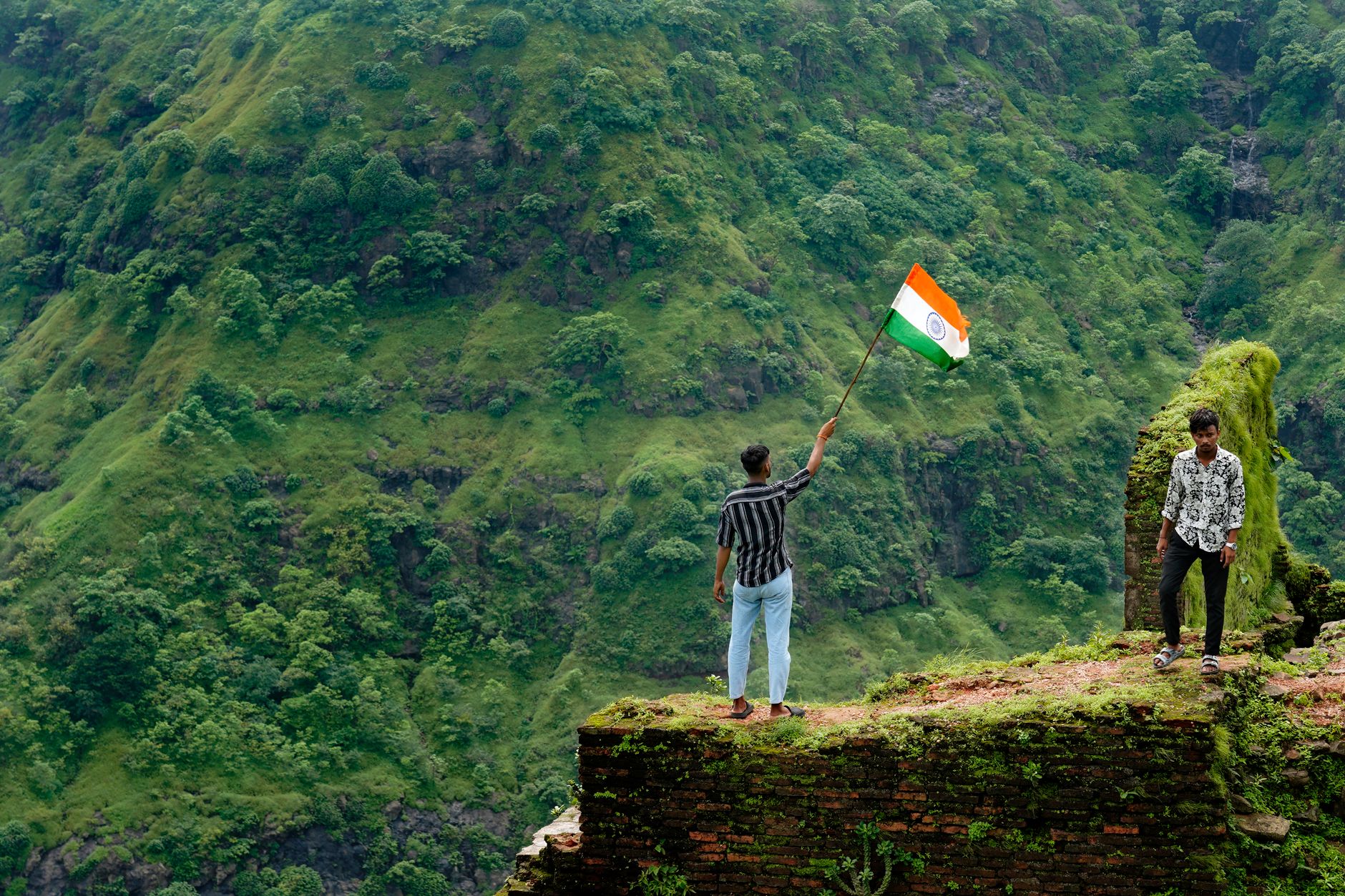
FAITH's call for a 'Brand Bharat' initiative reflects the need for a unified national tourism marketing strategy. Currently, different states promote their destinations independently, and there is often a lack of coordination between state and central government tourism promotion efforts.
Brand Bharat would serve as an umbrella campaign that positions India as a holistic destination in global markets. This approach has proven successful for countries like Malaysia (Malaysia Truly Asia), Singapore (Your Singapore), and Thailand (Amazing Thailand), which have built strong, recognizable tourism brands.
Benefits of Unified Branding
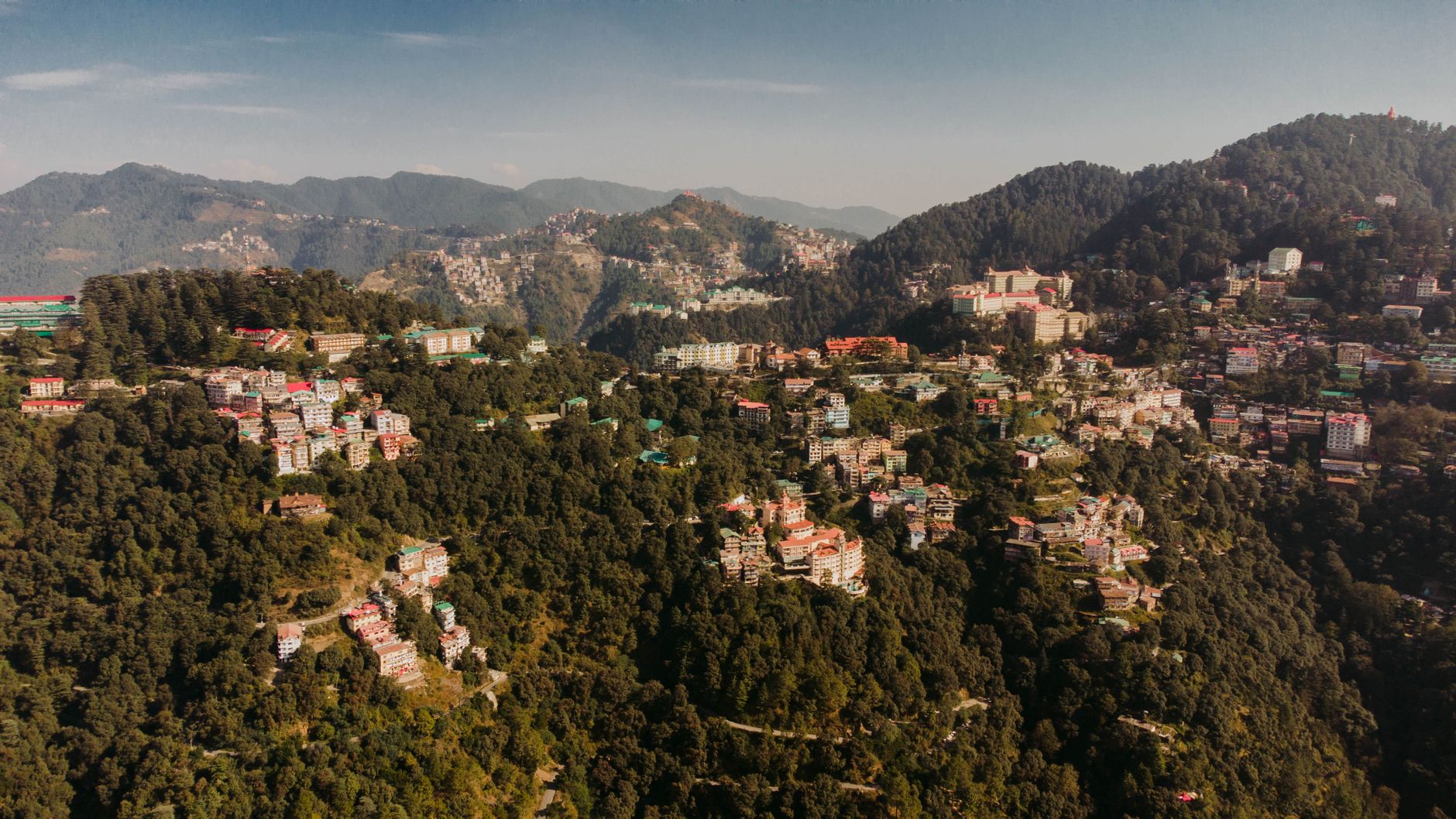
A coordinated national brand would amplify India's diverse offerings—from the Himalayan mountains and historical monuments to beaches, wildlife, wellness tourism, and spiritual experiences. It would help India compete more effectively with destinations that have invested heavily in destination marketing.
The initiative could also address India's image challenges in certain markets and highlight improvements in infrastructure, safety, and hospitality standards. A professional, well-funded Brand Bharat campaign could significantly increase India's share of global tourism receipts.
Infrastructure and Investment Needs
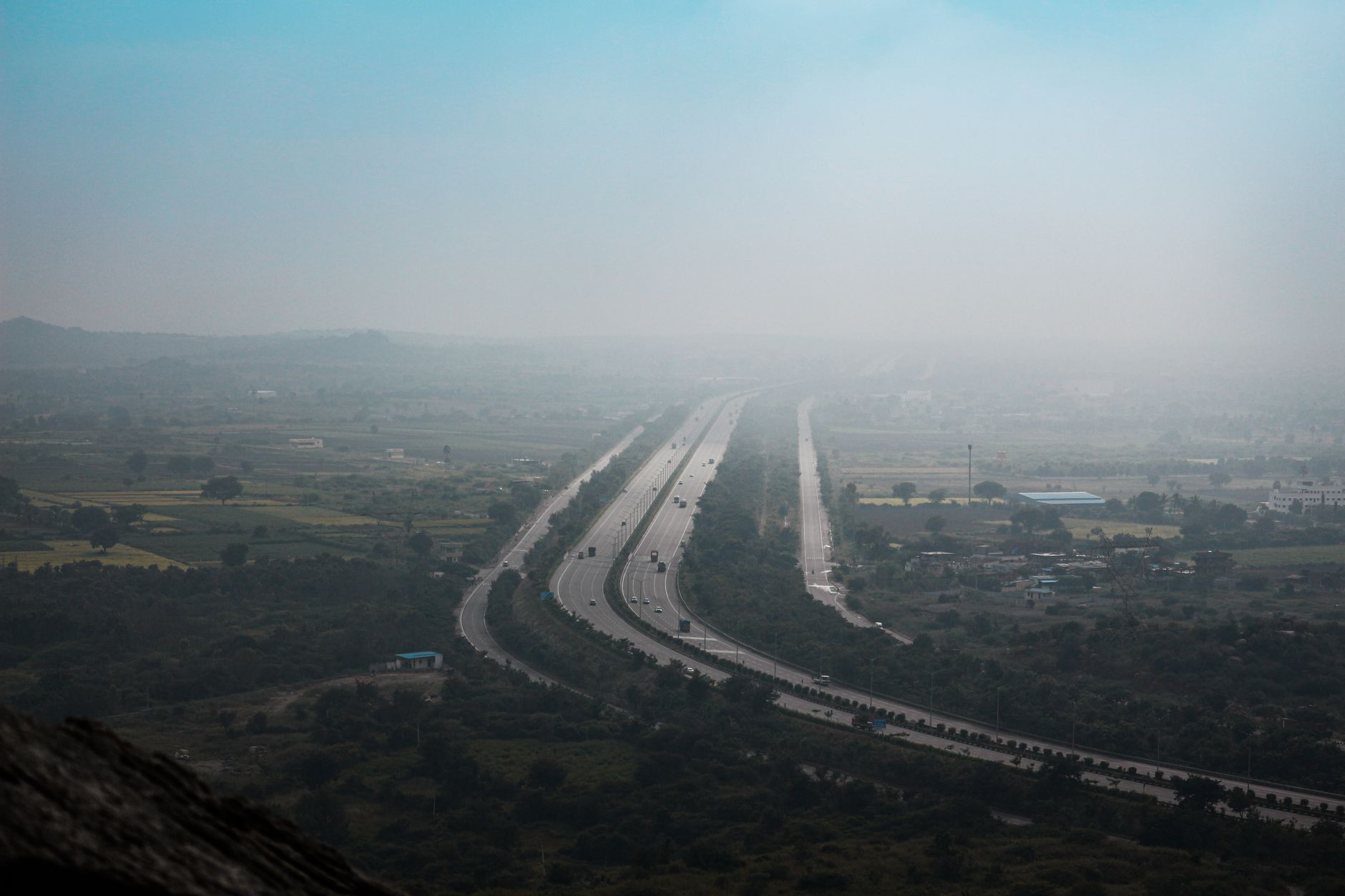
For India to truly compete in global tourism, significant infrastructure upgrades are needed. These include improved connectivity to tier-2 and tier-3 destinations, better airport facilities, enhanced road and rail networks, quality accommodations at various price points, and trained hospitality professionals.
Industry status would help mobilize the investment needed for these improvements by making tourism projects more attractive to banks and institutional investors. It would also enable tourism businesses to access technology upgrades, sustainability initiatives, and skill development programs more easily.
Regional Tourism Potential
India's incredible diversity means every region has unique tourism assets waiting to be developed. From the Northeast's natural beauty and Buddhist circuits to coastal tourism along both seaboards and heritage sites across central India, there is enormous untapped potential.
However, developing these destinations requires coordinated planning, infrastructure investment, and marketing—all of which would benefit from industry status and a unified national brand.
Impact on Employment
Tourism is particularly important for employment because it creates jobs across skill levels and often in regions where other industries may not be viable. From porters and guides to hotel managers and travel technology specialists, the sector offers diverse opportunities.
Strengthening tourism through industry status and better marketing could multiply these employment opportunities, particularly benefiting youth, women, and rural communities who depend on tourism-related livelihoods.
The push for industry status and Brand Bharat represents a critical moment for Indian tourism. With the right policy support and coordinated marketing, India could significantly increase its global tourism market share and unlock substantial economic benefits across the country.