India's tourism sector stands at a critical juncture, with industry leaders emphasizing the urgent need for comprehensive visa reforms and substantial infrastructure investment to realize the country's full potential as a global travel destination. Despite possessing rich cultural heritage, diverse landscapes, and historical monuments, India continues to lag behind regional competitors in attracting international tourists.
The Current State of Indian Tourism
India welcomed approximately 9.2 million foreign tourists in 2023, marking a recovery from pandemic lows but still below pre-COVID levels and far behind countries like Thailand, which attracts nearly 40 million visitors annually. The tourism and hospitality sector contributes roughly 7 percent to India's GDP and employs over 40 million people directly and indirectly, making it a vital economic driver with untapped growth potential.
The sector faces multiple challenges including complex visa procedures, inadequate tourism infrastructure in tier-2 and tier-3 cities, limited connectivity to lesser-known destinations, and inconsistent service standards across regions. These barriers prevent India from capturing a larger share of the global tourism market, estimated to be worth over 9 trillion dollars annually.
Why Visa Reforms Matter
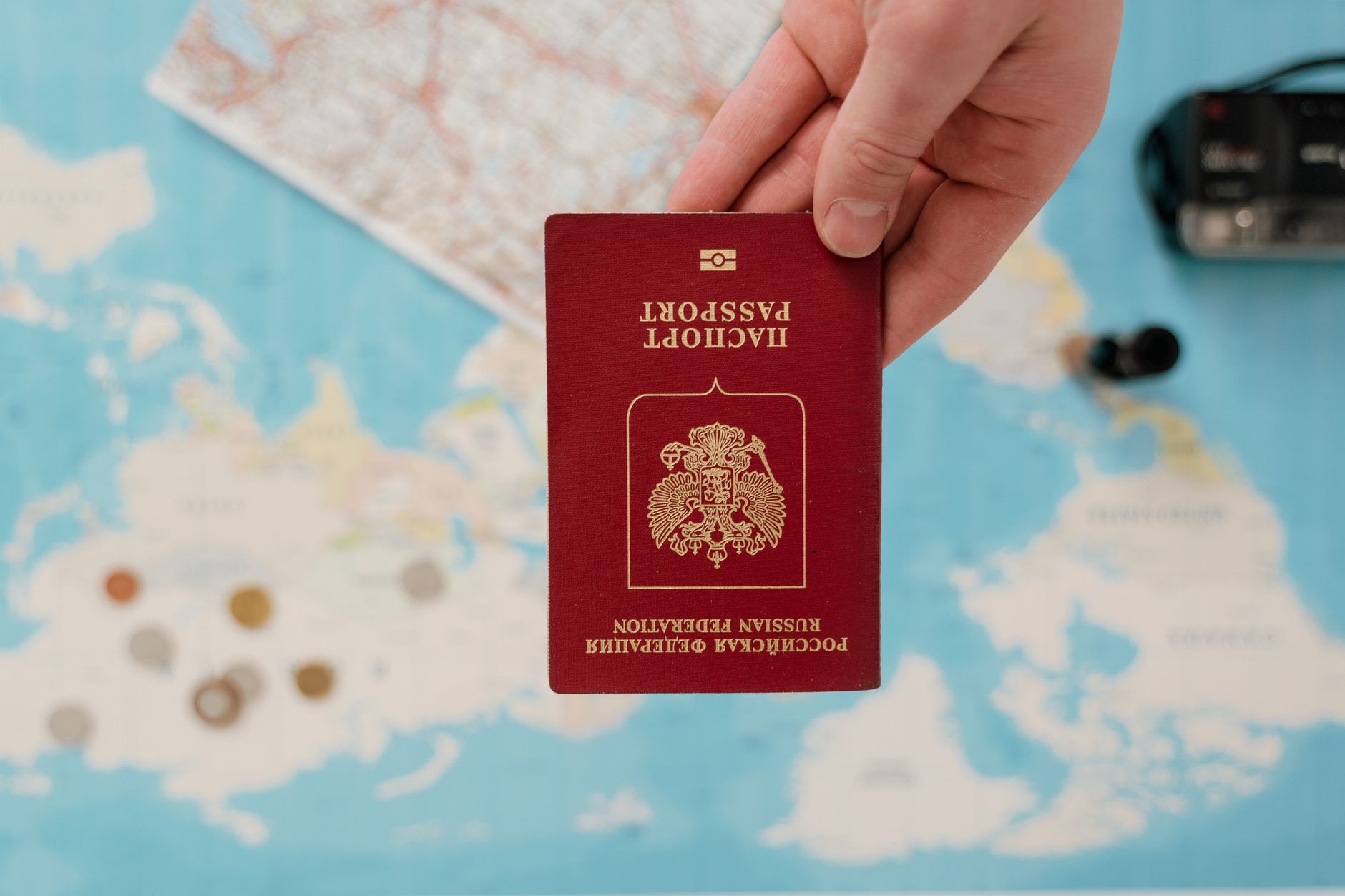
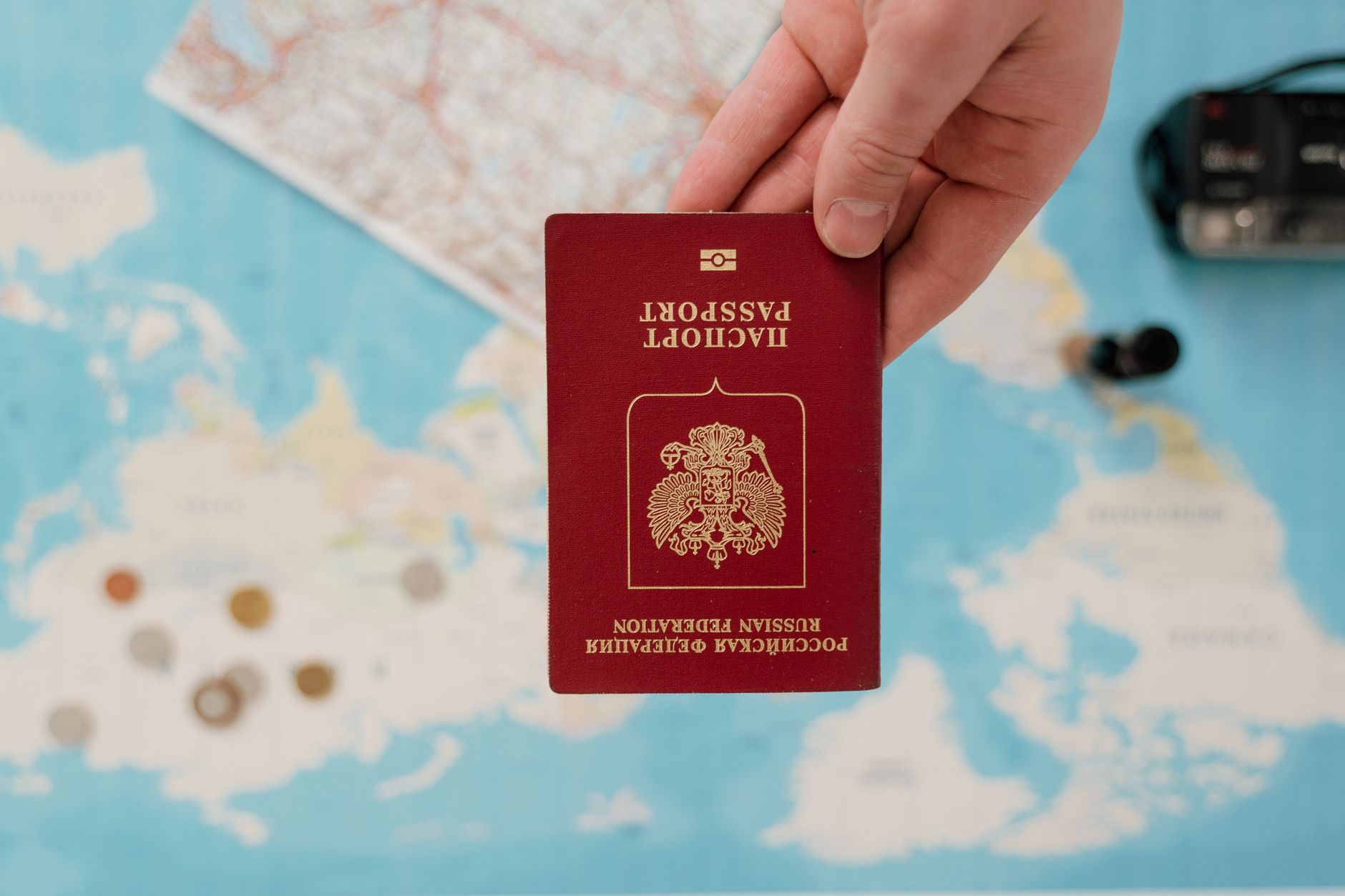
The visa application process remains a significant deterrent for potential visitors to India. Currently, tourists from most countries must navigate a multi-step application procedure that can take weeks to process, requires extensive documentation, and often lacks transparency in approval timelines.
Several improvements could dramatically enhance India's accessibility:
- Expanding e-visa facilities to more nationalities beyond the current 166 countries
- Extending visa validity periods to encourage repeat visits
- Introducing multiple-entry tourist visas as standard rather than exception
- Simplifying documentation requirements for leisure travelers
- Implementing faster processing times through digitization and AI-assisted verification
- Creating dedicated visa-on-arrival facilities at more international airports
Countries like Thailand, Indonesia, and Vietnam have demonstrated how liberal visa policies can rapidly increase tourist arrivals. Thailand's visa-free entry for several nationalities and easy visa-on-arrival options have been instrumental in establishing it as Southeast Asia's tourism hub.
Infrastructure Investment Gaps
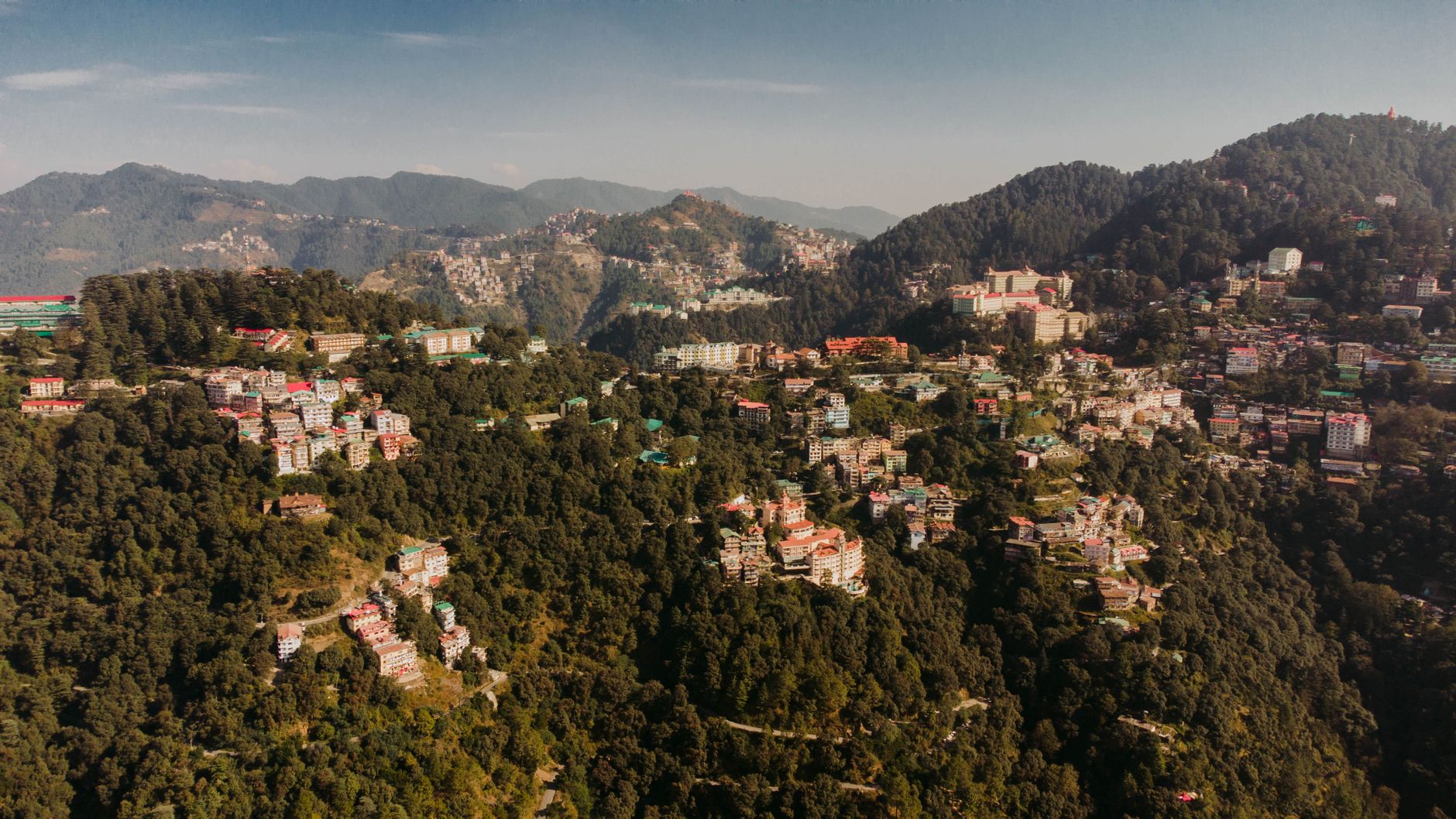
Beyond visa policies, India's tourism infrastructure requires significant upgrades to meet international standards and visitor expectations. Major cities have world-class hotels and facilities, but the infrastructure deficit becomes apparent in smaller towns and rural areas that house many of India's most remarkable attractions.
Critical investment areas include:
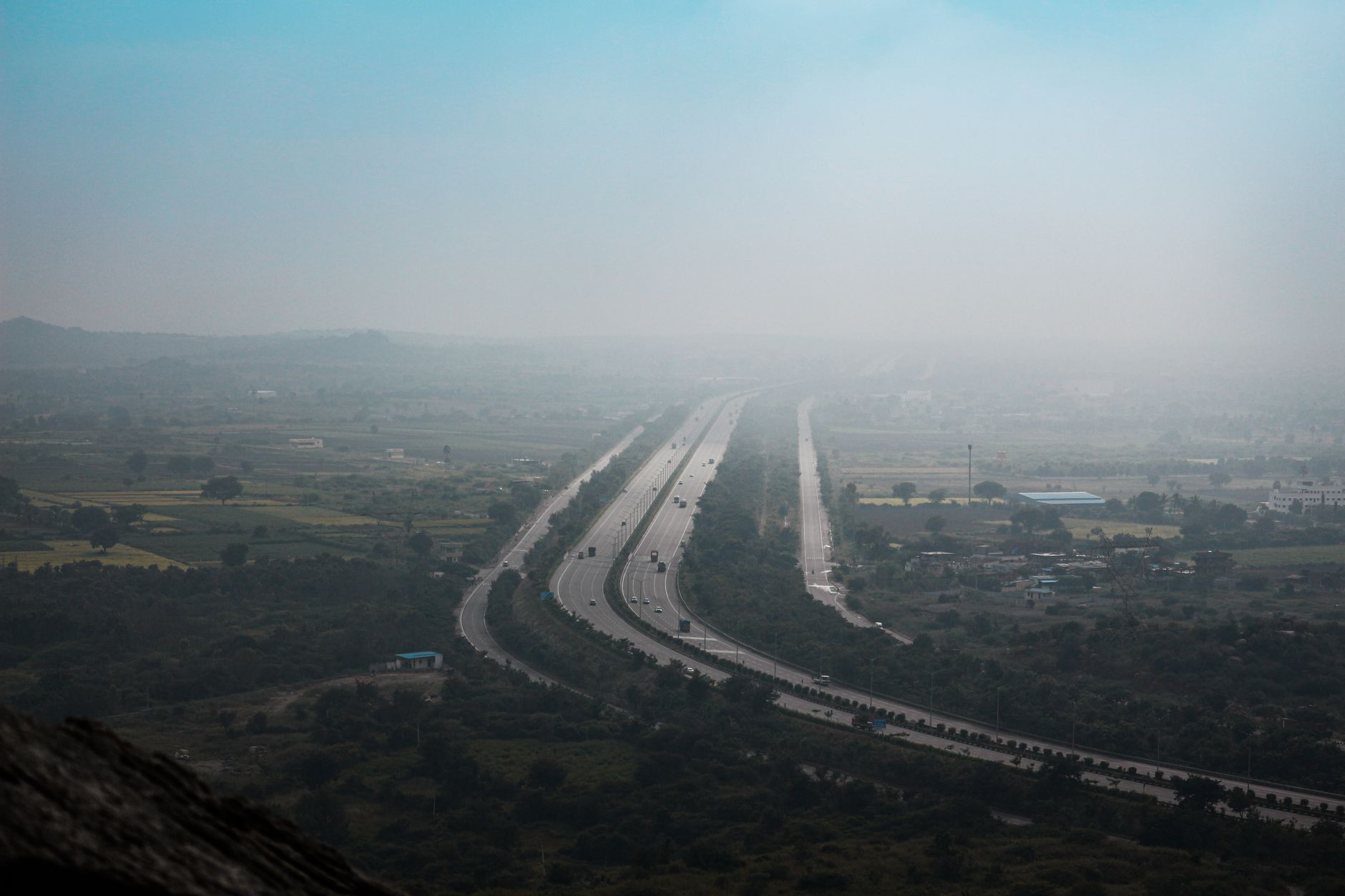
- Improving road connectivity to UNESCO World Heritage Sites and cultural landmarks
- Expanding airport infrastructure in tourism-heavy regions like Rajasthan, Kerala, and Northeast India
- Developing clean, well-maintained public facilities including restrooms and rest stops
- Creating integrated tourist circuits with standardized signage in multiple languages
- Upgrading railway stations in tourist corridors to provide better passenger experiences
- Establishing tourist information centers with trained multilingual staff
- Enhancing digital connectivity and payment infrastructure across tourist destinations
The Economic Opportunity
Tourism represents one of India's most promising sectors for job creation and economic growth. The multiplier effect of tourism spending extends across transportation, hospitality, handicrafts, food services, entertainment, and retail sectors, benefiting communities directly involved in tourism and ancillary businesses.
Research suggests that for every direct job created in tourism, approximately 1.5 to 2 indirect jobs are generated in supporting industries. With proper reforms and investment, India could realistically target 20-25 million annual international arrivals by 2030, potentially doubling the sector's GDP contribution and creating millions of additional employment opportunities.
The government's focus on promoting experiential and sustainable tourism, including spiritual tourism, medical tourism, adventure tourism, and eco-tourism, presents diverse opportunities to attract different visitor segments and distribute economic benefits across regions.
Regional Competition and Lessons
India's regional neighbors have aggressively positioned themselves in the global tourism market through coordinated national strategies combining easy access, infrastructure development, and effective marketing. China, before the pandemic, attracted nearly 65 million foreign tourists annually through sustained investment in heritage preservation, modern infrastructure, and simplified visa processes.
Similarly, Sri Lanka and Nepal, despite their smaller size, have successfully carved out niches in the tourism market through focused branding and visitor-friendly policies. India can learn from these examples while leveraging its unmatched diversity, scale, and cultural depth.
Moving Forward
Realizing India's tourism potential requires coordinated action across multiple stakeholders including central and state governments, private sector investors, local communities, and international partners. The economic returns from such investments extend beyond immediate tourism revenue to include improved infrastructure for residents, cultural preservation, environmental conservation funding, and enhanced global soft power.
The path forward demands bold policy reforms, sustained financial commitment, and a long-term vision that positions India as a must-visit destination on every global traveler's bucket list.