India's tourism sector stands at a critical juncture, with industry experts highlighting that the country must address two fundamental challenges to unlock its massive potential: simplifying visa procedures and enhancing connectivity infrastructure. These recommendations come as the global travel industry recovers and destinations worldwide compete for international visitors.
The Current State of Indian Tourism
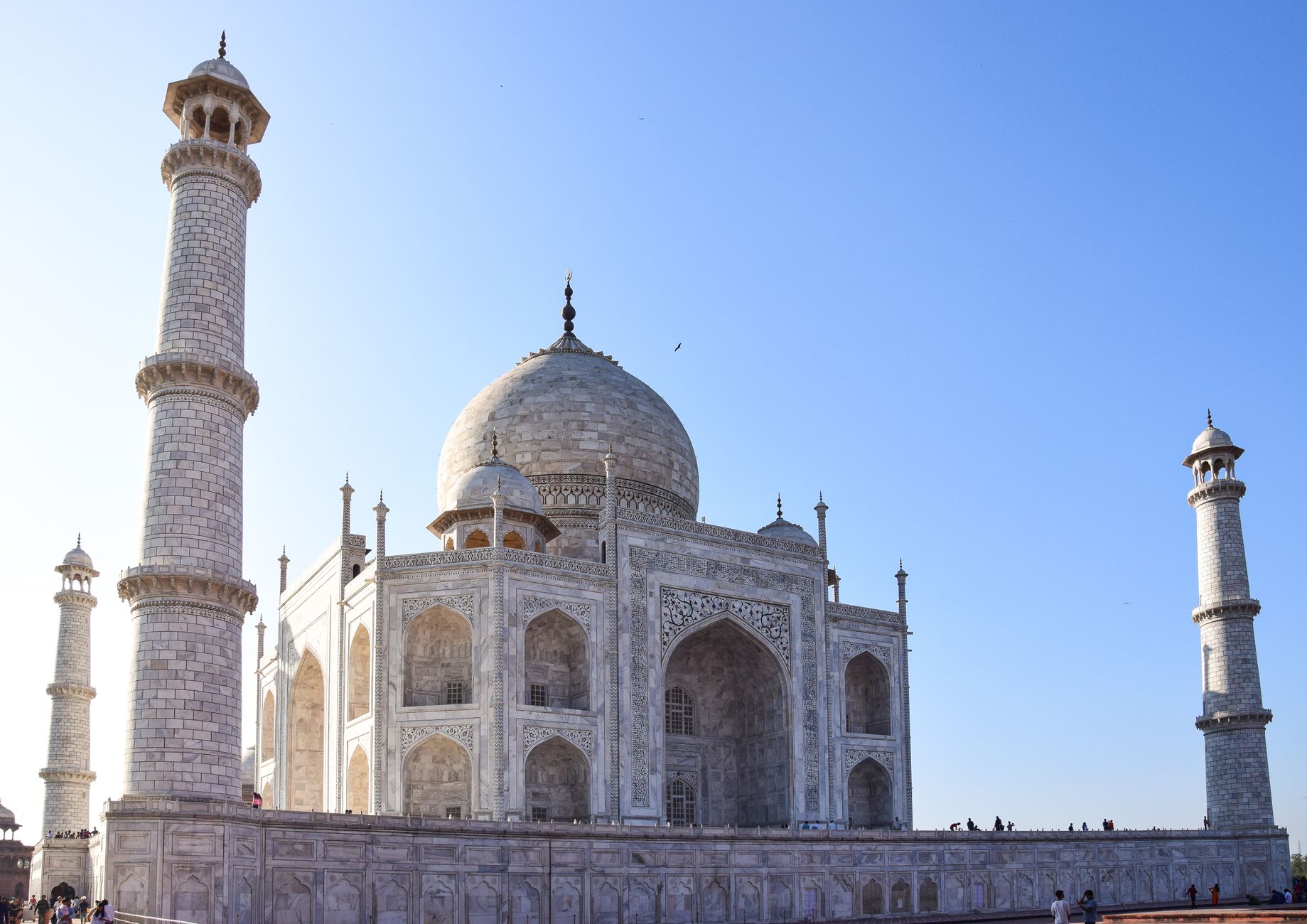
India has long been recognized for its rich cultural heritage, diverse landscapes, and historical monuments. From the Taj Mahal to Kerala's backwaters, from Himalayan treks to Rajasthan's palaces, the country offers experiences that few destinations can match. Despite these attractions, India captures only a small fraction of global tourist arrivals compared to countries like Thailand, Malaysia, or even smaller nations with fewer attractions.
The tourism sector contributes significantly to India's economy, generating employment across hospitality, transport, handicrafts, and related services. However, the gap between potential and actual performance remains substantial, suggesting that systemic barriers prevent the country from reaching its tourism goals.
The Visa Challenge
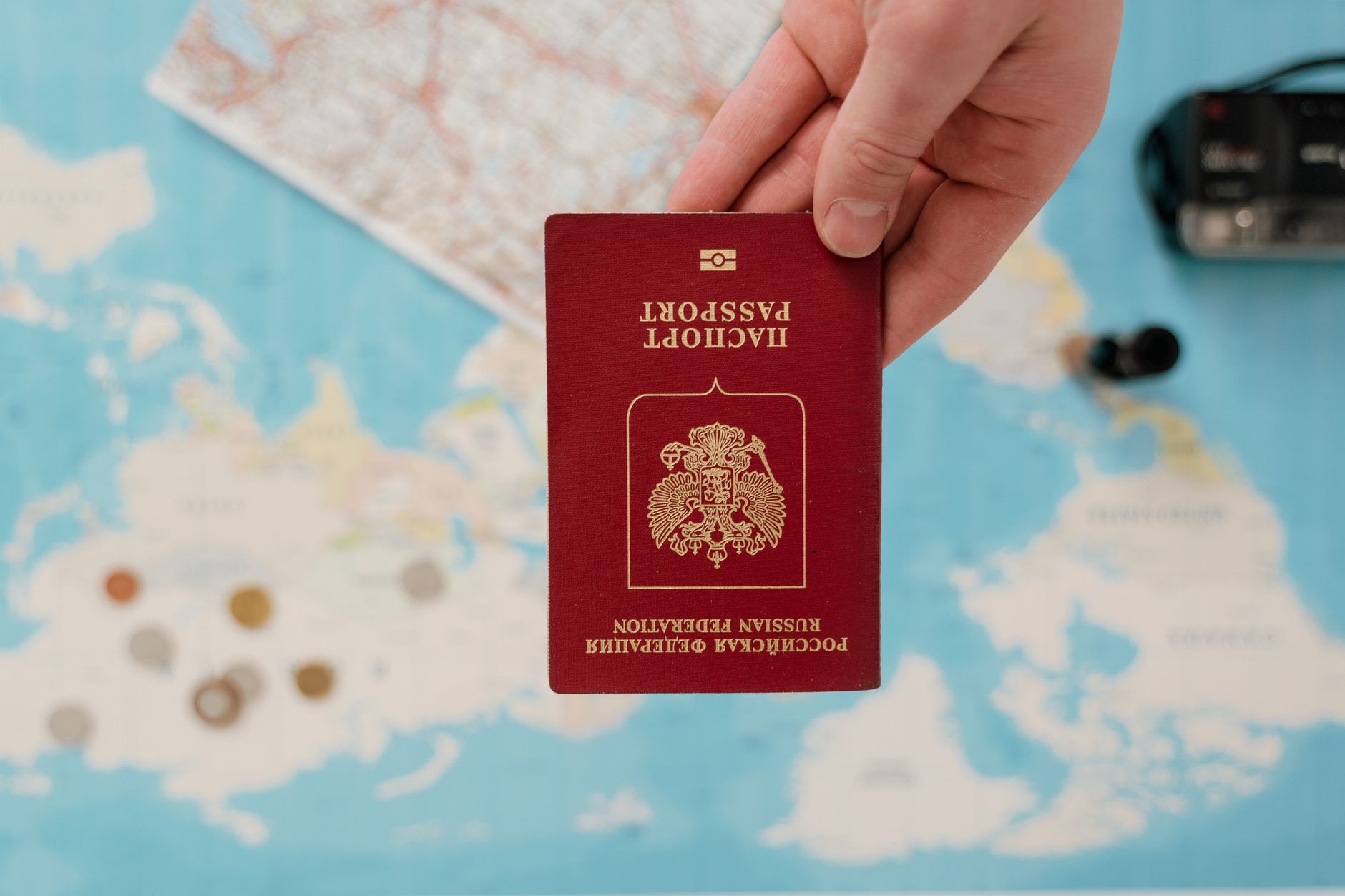
One of the most cited obstacles for international travelers considering India is the visa application process. While India introduced the e-visa system to simplify entry, several challenges persist that deter potential visitors.
Many travelers find the application process cumbersome, requiring multiple documents, photographs with specific dimensions, and detailed itinerary information. The processing time, though improved, can still be unpredictable, making last-minute travel difficult. Additionally, the e-visa facility is not available for all nationalities, and certain visa categories still require applicants to visit embassies or consulates in person.
Compared to competitors in the region, India's visa regime appears more restrictive. Countries like Thailand, Indonesia, and Vietnam offer visa-on-arrival or visa-free entry to numerous nationalities, making spontaneous travel decisions easier. This flexibility is particularly important for short-stay tourists who may be combining multiple destinations in a single trip.
Connectivity Gaps Holding Back Growth
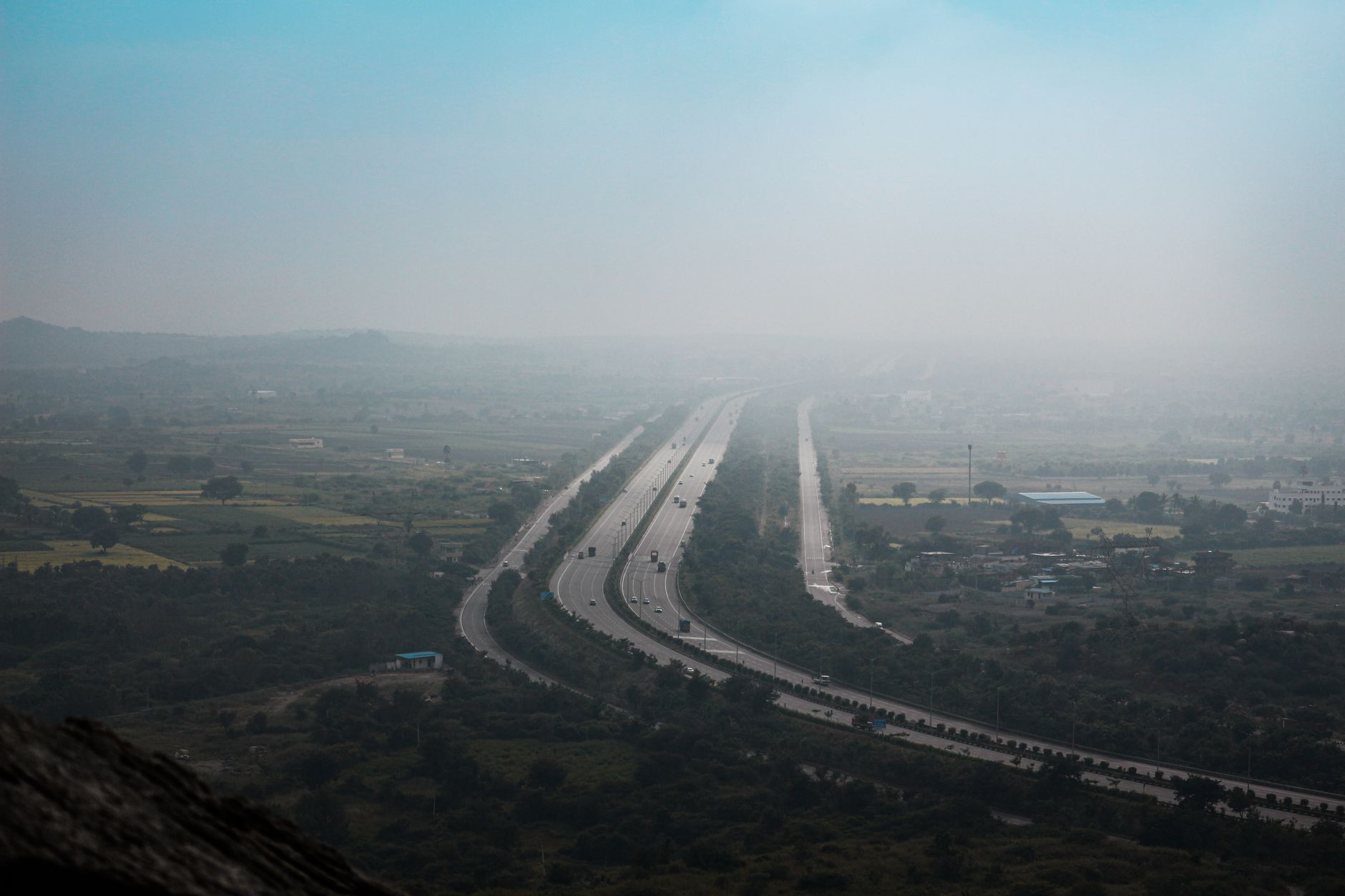
Beyond visas, connectivity remains a critical bottleneck. Connectivity encompasses both international air links and domestic transportation infrastructure.
- Limited direct international flights to secondary Indian cities force travelers to route through major hubs like Delhi, Mumbai, or Bangalore
- High airfares compared to regional competitors make India a more expensive destination to reach
- Inadequate domestic air connectivity means travelers spend significant time in transit between attractions
- Road and rail infrastructure in tourist regions often lacks the comfort and reliability that international visitors expect
- Last-mile connectivity to tourist sites remains poor in many locations
International tourists often want to explore beyond the Golden Triangle of Delhi-Agra-Jaipur, but reaching destinations like Ladakh, Northeast India, or smaller heritage towns requires considerable time and effort. This contrasts sharply with countries that have invested heavily in tourism infrastructure, making travel between attractions seamless.
What Improvements Could Look Like
Several measures could dramatically improve India's tourism competitiveness. Expanding visa-on-arrival to more nationalities, particularly for short stays, would remove a significant friction point. Streamlining the e-visa application with fewer document requirements and faster processing would enhance user experience.
On the connectivity front, incentivizing international airlines to operate direct flights to more Indian cities would disperse tourist traffic and boost regional economies. Developing dedicated tourism circuits with reliable transportation, standardized accommodations, and clear information would make independent travel more accessible.
Investment in airport infrastructure beyond major metros, promotion of regional connectivity through smaller aircraft, and improvement of road quality in tourist areas would collectively enhance the travel experience. Digital infrastructure, including reliable mobile connectivity and online booking systems for trains and attractions, would also make planning and navigating easier for international visitors.
The Economic Opportunity
The potential economic impact of unlocking tourism growth is enormous. Tourism creates jobs across skill levels, supports small businesses, preserves cultural heritage through economic incentive, and generates foreign exchange. Rural areas particularly benefit from tourism-related employment that provides alternatives to agriculture.
As global travel continues to rebound post-pandemic, India has a window of opportunity to position itself more competitively. Countries that make travel easy and enjoyable will capture the growing middle-class travelers from Asia, the returning European market, and adventure-seeking younger demographics worldwide.
The path forward requires coordinated action between multiple government departments, private sector investment, and a commitment to viewing tourism infrastructure as a national priority rather than an afterthought. The attractions are already present; removing the barriers to accessing them is what will determine whether India becomes a top global destination or continues to underperform relative to its potential.