The global tourism industry is undergoing a fundamental transformation. Gone are the days when holidays meant simply ticking off landmarks from a checklist. Today's travellers increasingly seek meaningful connections, authentic cultural exchanges and personalised adventures that create lasting memories rather than just photo opportunities.
This shift toward experiential travel represents one of the most significant changes in how people explore the world, and countries with rich cultural tapestries stand to gain the most from this evolution.
What Is Experiential Travel
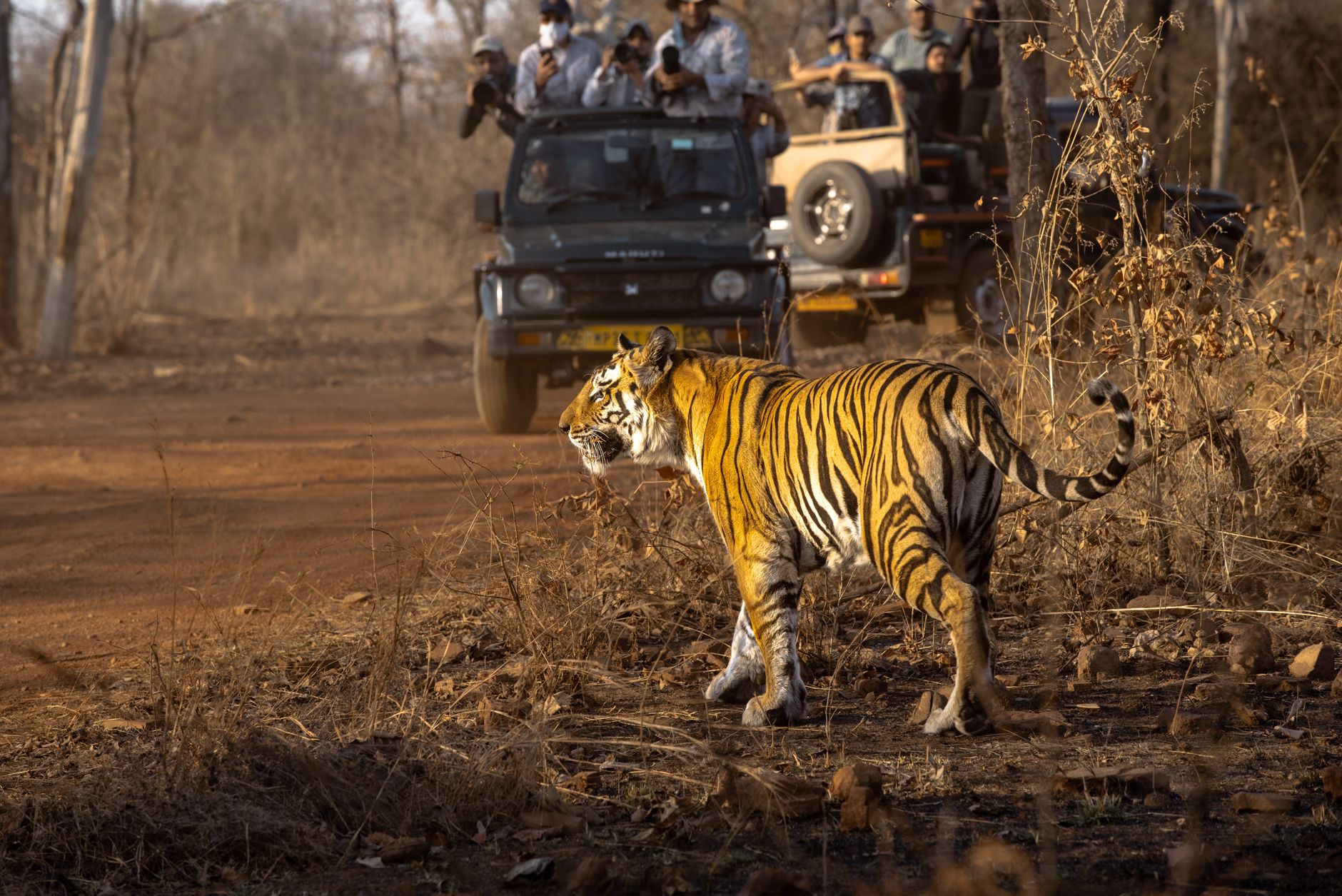
Experiential travel prioritises engagement and participation over passive observation. Instead of viewing monuments from behind barriers, travellers want to learn traditional crafts from local artisans, cook regional dishes with home chefs, participate in village festivals or trek through landscapes with community guides who share their intimate knowledge of the land.
This approach transforms tourists from spectators into participants. The focus shifts from "seeing" to "doing," from surface-level tourism to deep cultural immersion. Travellers increasingly value the stories behind destinations, the human connections made along the way and the personal growth that comes from stepping outside comfort zones.
Why This Trend Is Growing
Several factors drive the rise of experiential travel. Millennials and Gen Z travellers, who now represent a significant portion of the tourism market, prioritise experiences over material possessions. They seek travel that aligns with their values, including sustainability, cultural preservation and authentic connection.
Social media has also played a paradoxical role. While it initially encouraged "Instagrammable" hotspots and superficial tourism, savvy travellers now seek unique experiences that stand out from the crowded digital landscape. A cooking class in a rural home or a traditional craft workshop provides more compelling stories than yet another photo at a famous monument.
The pandemic accelerated this trend further. Extended lockdowns prompted people to reassess what matters in travel. Many emerged wanting more meaningful journeys, smaller group sizes and deeper engagement with places and communities.
India's Competitive Advantages
India possesses several inherent strengths that position it perfectly for the experiential travel boom.
Cultural diversity stands as India's greatest asset. With 28 states and eight union territories, each region offers distinct languages, cuisines, festivals, art forms and traditions. A traveller could spend months exploring India and encounter entirely different cultural experiences in each destination.
The country's living traditions provide endless opportunities for hands-on engagement. Unlike museums where history sits behind glass, India's ancient practices remain vibrant in daily life. Visitors can learn yoga from traditional gurus in Rishikesh, study classical dance forms in Chennai, observe silk weaving in Varanasi or participate in pottery-making in Rajasthan.
Opportunities Across India's Landscape
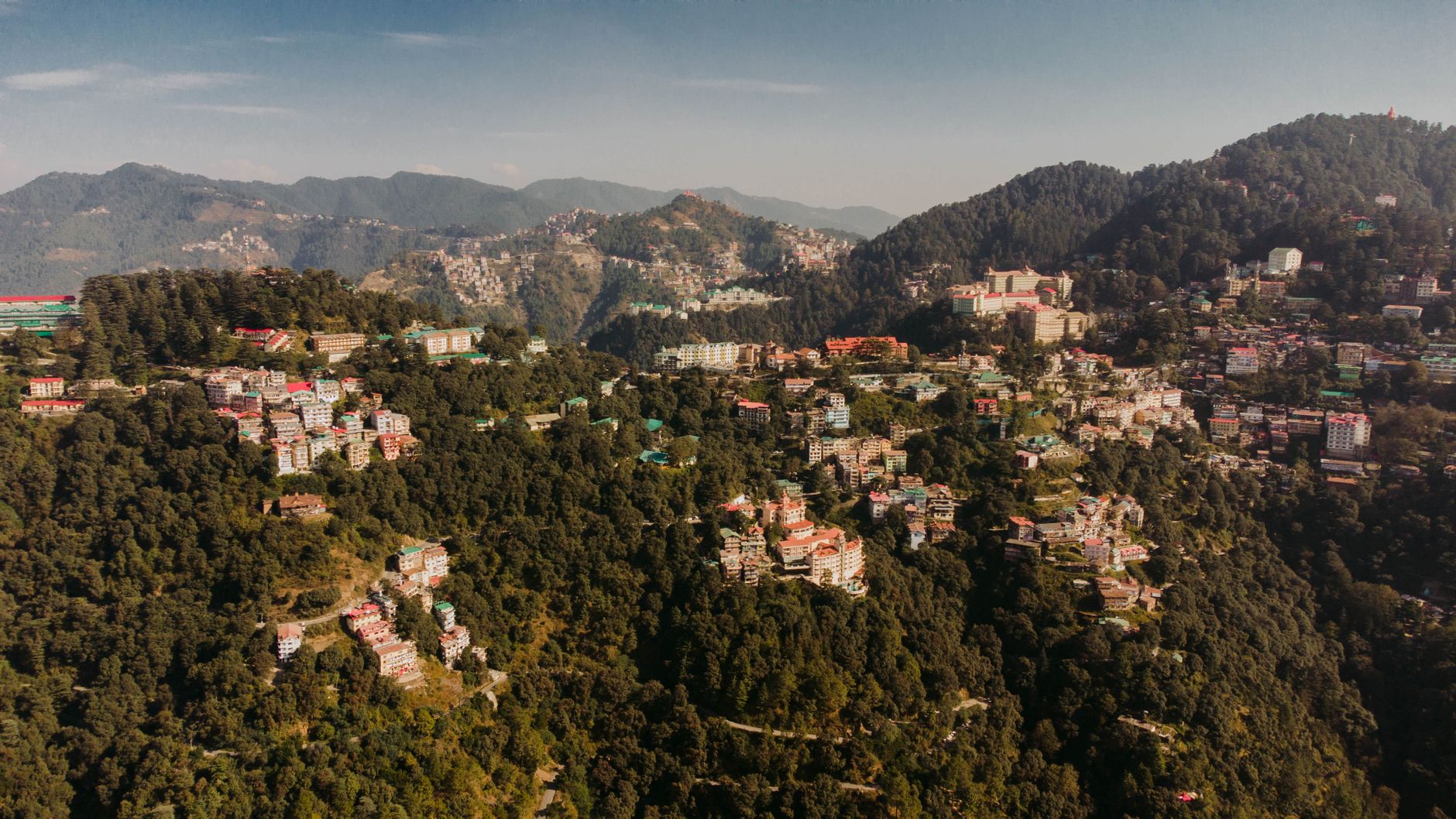
India's geographical diversity matches its cultural variety. The Himalayas offer trekking and mountain community experiences. Kerala's backwaters provide houseboat stays with local families. Rajasthan's deserts enable camel safaris and nights in traditional villages. The Northeast's tribal communities welcome travellers into their sustainable lifestyles.
Rural and village tourism presents particularly strong opportunities. Many international travellers specifically seek authentic village experiences where they can understand agricultural practices, traditional architecture and community life away from urban centres.
Culinary tourism represents another major opportunity. Indian cuisine's regional variations, complex spice combinations and cooking techniques fascinate food enthusiasts worldwide. Home-based cooking classes, food walks through local markets and farm-to-table experiences align perfectly with experiential travel preferences.
Challenges to Address
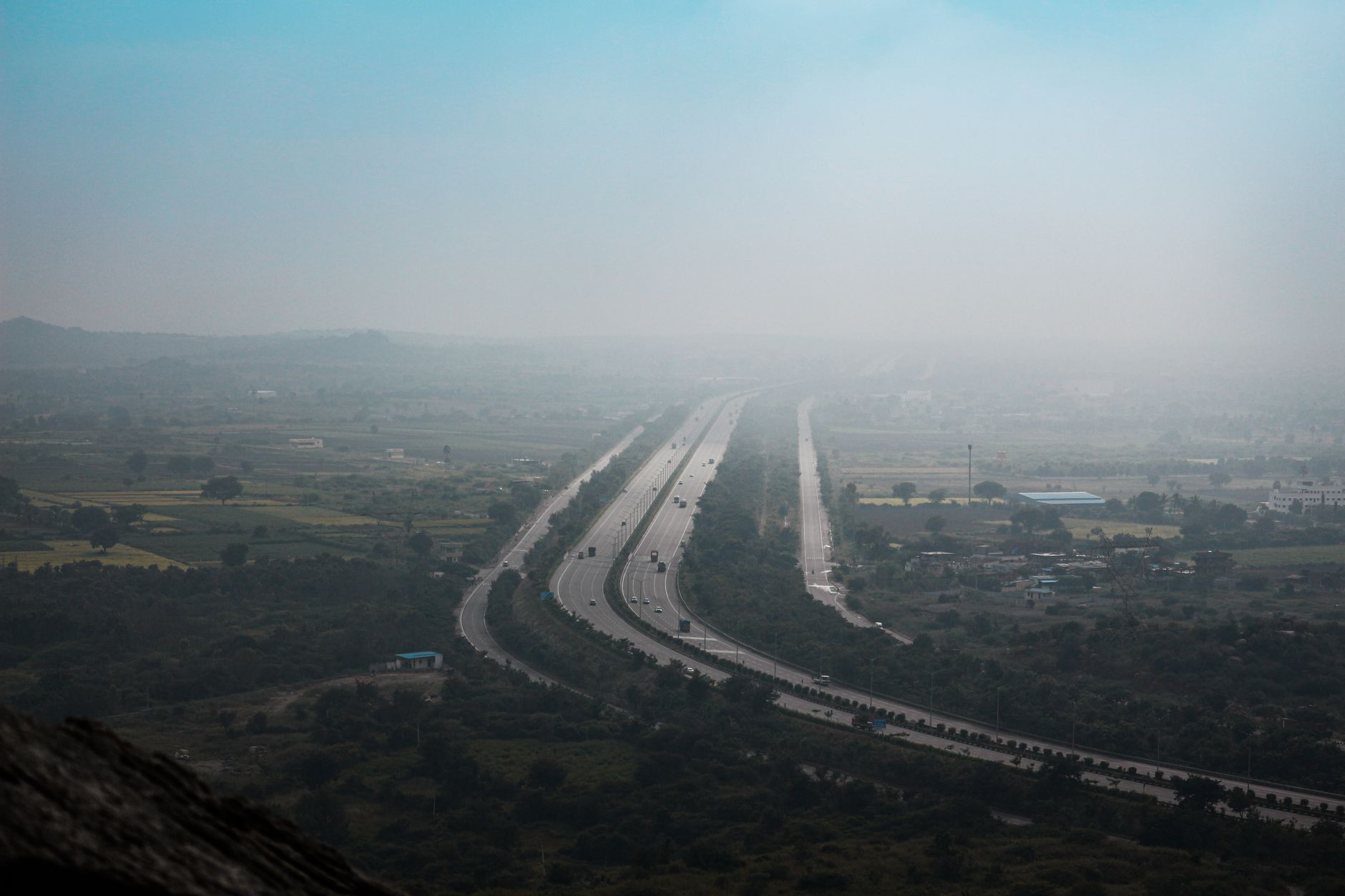
Despite these advantages, India must overcome certain barriers to fully capitalise on experiential tourism. Infrastructure in rural areas often needs improvement to accommodate international travellers while maintaining authenticity. Standardised quality without losing local character remains a delicate balance.
Training local communities to host travellers professionally while preserving genuine cultural practices requires thoughtful programs. Language barriers in non-English speaking regions need addressing through better guide training or technology solutions.
Marketing India's experiential offerings effectively to global audiences demands coordinated efforts between government tourism bodies, private operators and local communities. Showcasing lesser-known destinations and experiences can distribute tourism benefits more widely while reducing pressure on overcrowded hotspots.
The Path Forward
The experiential travel trend represents a tremendous opportunity for India's tourism sector. Success requires investments in community-based tourism infrastructure, training programs for local guides and artisans, and marketing campaigns that highlight authentic cultural exchanges over conventional sightseeing.
When executed thoughtfully, experiential tourism creates sustainable economic opportunities for local communities while offering travellers the meaningful connections they increasingly seek. India's combination of cultural richness, living traditions and geographical diversity makes it exceptionally well-positioned to become a global leader in this transformative travel trend.