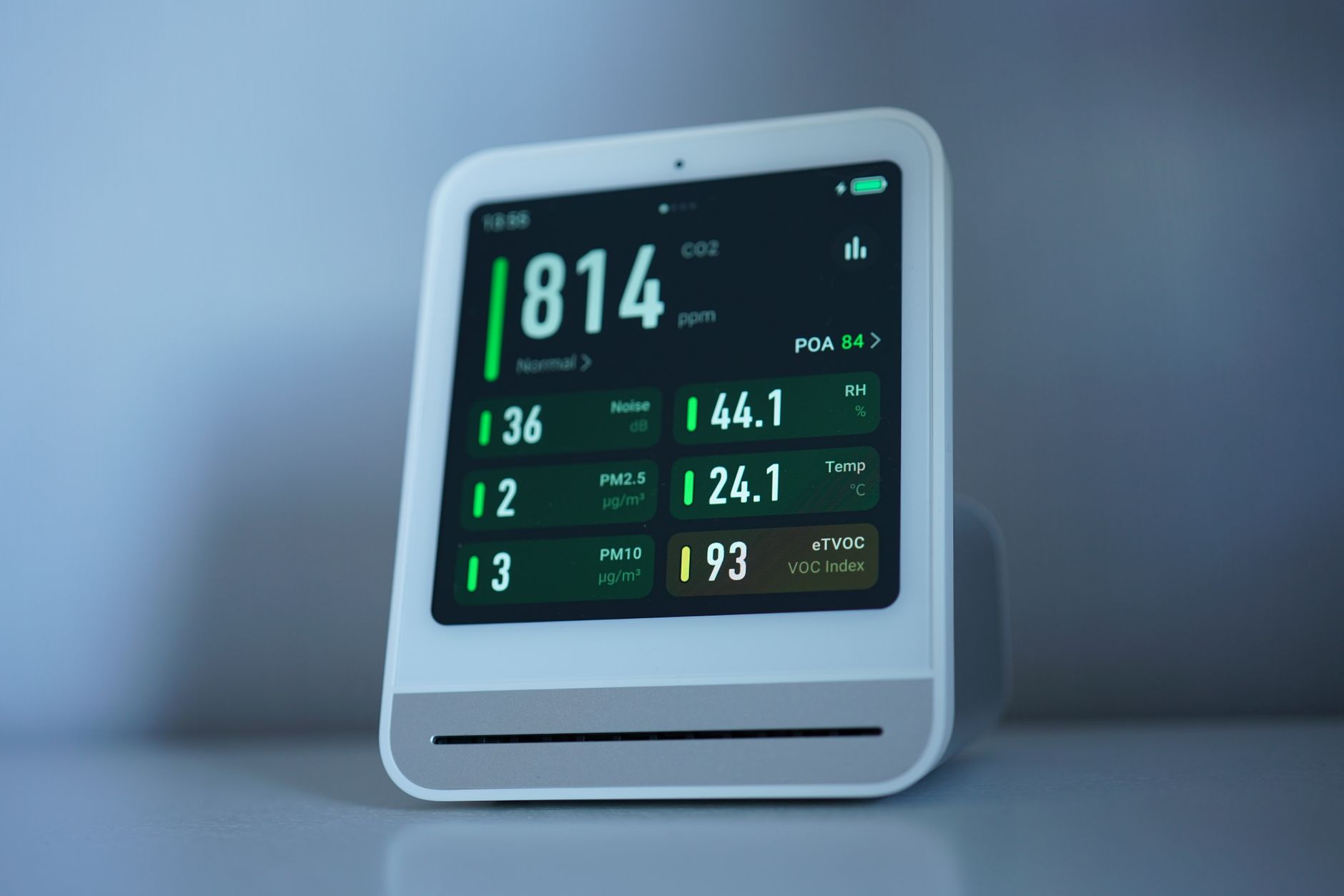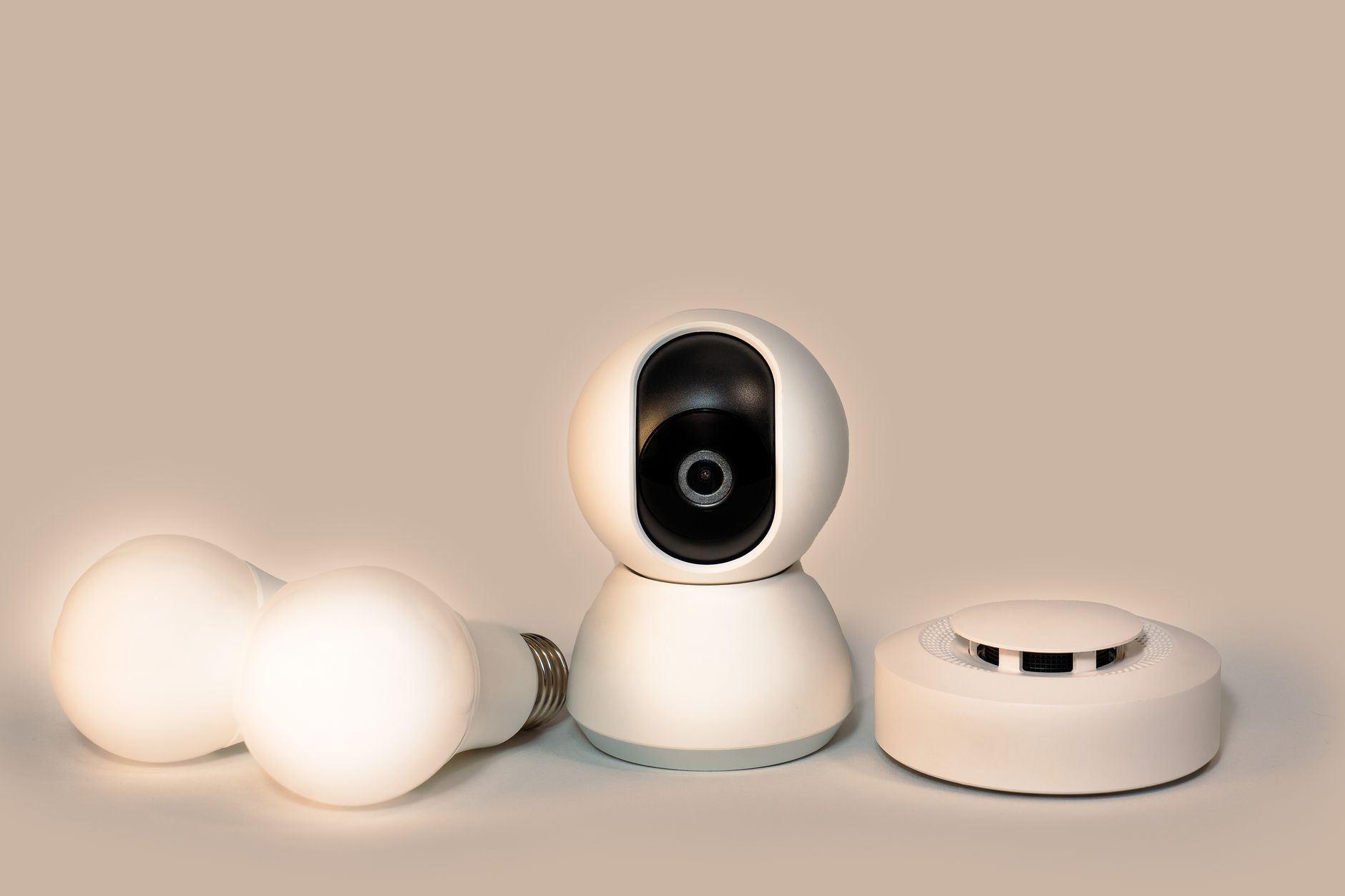
The smart home revolution is sweeping across India's urban landscape. From voice-activated assistants to automated lighting systems and app-controlled appliances, Indian households are embracing connected living at an unprecedented pace. Yet beneath this technological enthusiasm lies a critical vulnerability that threatens both property and lives: electrical safety infrastructure that has failed to keep pace with innovation.
The Growing Smart Home Market in India
India's smart home market is projected to reach substantial growth over the next decade, driven by rising disposable incomes, increasing internet penetration, and a young, tech-savvy population. Smart speakers, intelligent thermostats, security cameras, and automated door locks are becoming commonplace even in mid-tier apartments. However, the electrical foundations supporting these devices often date back decades, designed for a simpler era of ceiling fans and tube lights.
The fundamental problem is straightforward: smart homes demand significantly more from electrical systems than traditional homes. Multiple devices operating simultaneously, constant power draw from standby modes, and the heat generated by routers and hubs create sustained loads that older wiring and circuit breakers were never designed to handle.
Understanding the Electrical Risks
Smart home devices introduce several specific electrical hazards that many homeowners fail to recognize:
- Overloaded circuits from multiple adapters and extension boards supporting numerous connected devices
- Voltage fluctuations damaging sensitive electronics and potentially causing short circuits
- Inadequate earthing systems that fail to protect against electric shocks
- Poor-quality charging adapters and power supplies that lack proper safety certifications
- Outdated MCBs (Miniature Circuit Breakers) that cannot respond quickly enough to modern electrical faults
- Improper installation of smart switches and dimmers by unqualified technicians
The consequences can be severe. Electrical fires account for a significant percentage of residential fire incidents in India, and the proliferation of connected devices without corresponding safety upgrades is exacerbating this risk. Unlike conventional appliances that operate intermittently, many smart devices remain constantly powered, creating continuous potential failure points.
The Infrastructure Gap
Most Indian homes, particularly those built before 2010, feature electrical systems designed for maximum loads between 2-5 kilowatts. Modern smart homes can easily exceed this, especially when air conditioners, water heaters, and multiple electronic devices operate simultaneously. The problem intensifies in older buildings where aluminum wiring, once common, deteriorates over time and poses heightened fire risks.
Furthermore, India lacks comprehensive mandatory standards for smart home electrical installations. While the Bureau of Indian Standards has established guidelines for electrical safety, enforcement remains inconsistent, particularly in the residential sector. Many electricians lack training in smart home-specific requirements, leading to installations that may function but remain fundamentally unsafe.
Building a Safe Foundation
Creating electrically safe smart homes requires a multi-layered approach:
- Comprehensive electrical audits before installing smart devices, assessing wiring capacity, earthing adequacy, and circuit breaker functionality
- Upgrading to RCCB (Residual Current Circuit Breaker) protection that can detect and respond to minute current leakages
- Installing surge protectors to shield expensive smart devices from voltage spikes common in Indian power grids
- Using only BIS-certified smart devices and accessories that meet national safety standards
- Ensuring proper load distribution across multiple circuits rather than overloading single points
- Scheduling regular professional inspections, particularly in homes older than 15 years
The Role of Stakeholders
Manufacturers must prioritize safety certifications and provide clear installation guidelines with their products. Real estate developers should incorporate smart home-ready electrical infrastructure in new constructions, anticipating future technology adoption rather than forcing retrofits. Government bodies need to strengthen enforcement of existing electrical codes and develop specific standards for smart home installations.
Consumer awareness represents perhaps the most critical element. Many homeowners remain unaware that their enthusiasm for smart technology may be placing their families at risk. Understanding that a smart home's intelligence means nothing if its electrical foundation is weak can drive the behavioral changes necessary for widespread safety improvements.
The Path Forward
As India positions itself as a global technology hub, ensuring that homes can safely support advanced connected living should be a national priority. The cost of upgrading electrical infrastructure pales in comparison to the potential loss of life and property from electrical failures. Smart homes should be both intelligent and safe—one cannot exist meaningfully without the other.
This article provides general information about electrical safety considerations for smart homes. For specific electrical work, always consult qualified, licensed electricians and follow local building codes and safety regulations.