Smart home automation has moved beyond futuristic fantasy to become an accessible reality for millions of Indian households. With the proliferation of affordable IoT devices, high-speed internet connectivity, and voice assistants, homeowners are discovering new ways to simplify their daily routines, reduce energy consumption, and enhance security. Here are five key ways this technology is reshaping how we live.
Enhanced Energy Efficiency and Cost Savings
One of the most significant impacts of smart home automation is its ability to reduce electricity bills through intelligent energy management. Smart thermostats learn your temperature preferences and daily schedule, automatically adjusting air conditioning and heating systems when rooms are occupied or empty. This is particularly valuable in India's diverse climate zones, where cooling and heating costs can constitute a substantial portion of household expenses.
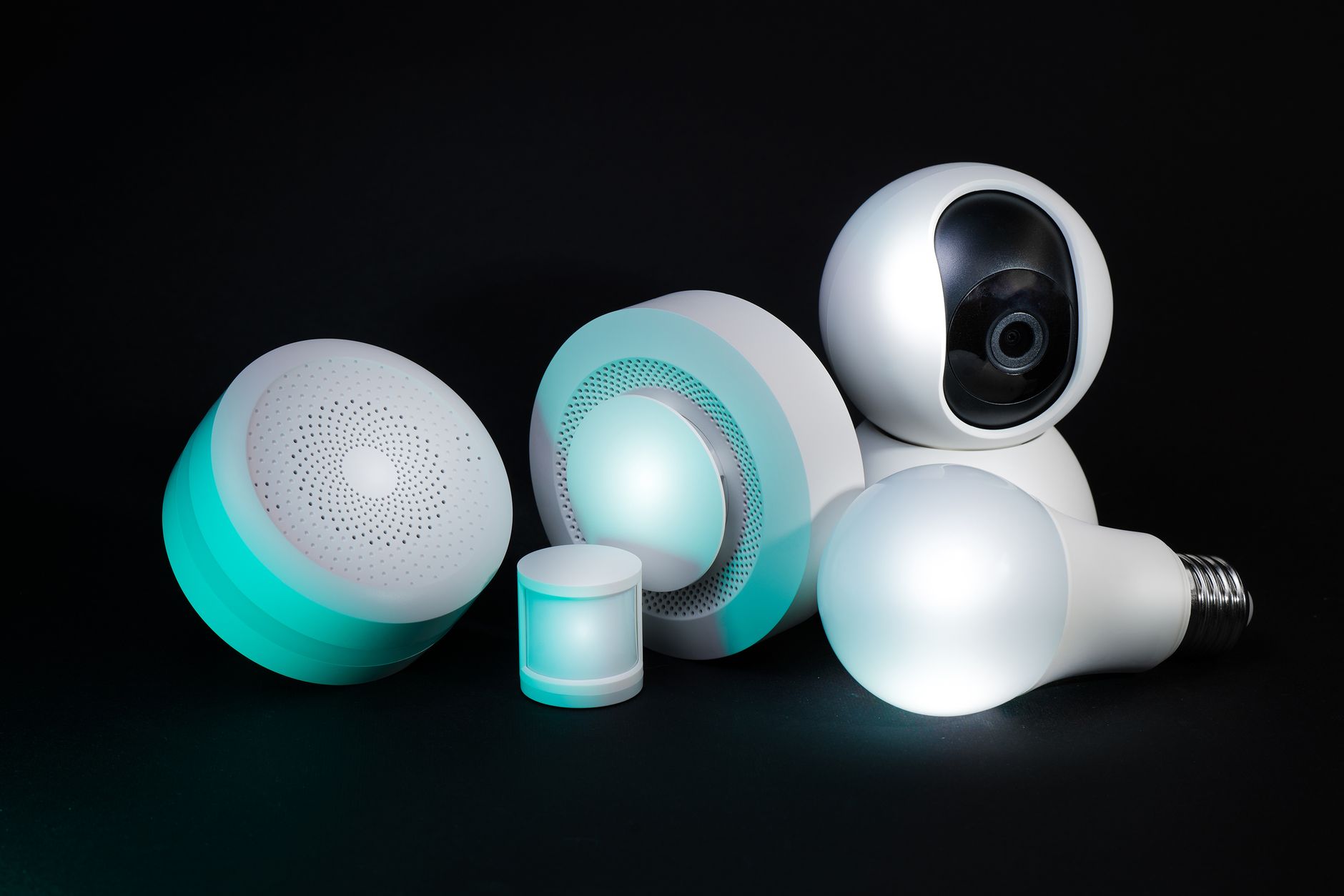
Smart lighting systems equipped with motion sensors ensure lights are only on when needed, while automated curtains or blinds can open and close based on sunlight intensity to regulate indoor temperatures naturally. Many homeowners report savings of 15-30% on their monthly electricity bills after implementing these systems. With some smart plugs and energy monitors, you can also identify which appliances consume the most power and schedule their operation during off-peak hours when electricity rates are lower in areas with time-of-day pricing.
Improved Home Security and Peace of Mind
Smart security systems have revolutionised home protection in urban and suburban India. Internet-connected cameras allow homeowners to monitor their property in real-time from anywhere in the world through smartphone apps. These systems can distinguish between familiar faces, strangers, and even pets, sending instant alerts when unusual activity is detected.
Smart door locks eliminate the need for physical keys, allowing entry through fingerprints, PIN codes, or smartphone proximity. This is especially convenient for families with domestic help, elderly parents, or children who might lose keys. Many systems integrate with video doorbells, enabling you to see and speak with visitors remotely before granting access. Some advanced setups can simulate occupancy when you're away by randomly turning lights on and off, deterring potential intruders.
Seamless Voice Control and Hands-Free Convenience
Voice assistants like Amazon Alexa, Google Assistant, and increasingly, Indian language-compatible systems have made controlling home devices remarkably intuitive. Simply speaking commands can adjust lighting, play music, set reminders, check weather forecasts, or even order groceries online. This hands-free control is particularly valuable when cooking, caring for children, or when mobility is limited.
The integration extends beyond basic commands. You can create routines where a single phrase triggers multiple actions simultaneously. Saying "good morning" might open curtains, start your coffee maker, read the day's news headlines, and adjust the thermostat to your preferred temperature. For elderly family members or those with disabilities, voice control provides unprecedented independence in managing their living environment.
Intelligent Home Appliances and Kitchen Management
Smart kitchen appliances are transforming meal preparation and food management. Refrigerators with internal cameras let you check contents while grocery shopping to avoid duplicate purchases. Smart ovens can be preheated remotely so they're ready when you arrive home, while intelligent pressure cookers offer precise control through smartphone apps with pre-programmed recipes.
Smart washing machines can be scheduled to run during the night when water pressure is better and electricity potentially cheaper, sending notifications when laundry is complete. Some models even detect fabric types and adjust wash cycles accordingly, extending garment lifespan. Air purifiers with quality sensors automatically adjust fan speeds based on detected pollution levels, particularly crucial in Indian cities with high particulate matter.
Remote Monitoring and Family Connectivity
Smart home technology strengthens family connections, especially in multi-generational households common across India. Elderly parents living independently can have their daily activities monitored discreetly through motion sensors and appliance usage patterns, alerting adult children to potential health issues without invasive surveillance. Smart medicine dispensers can remind seniors to take medications and notify family members if doses are missed.
For working parents, smart cameras in children's rooms or study areas provide reassurance, while smart locks show exactly when teenagers arrive home from school. Some systems integrate with school schedules, automatically adjusting settings during study hours by reducing distractions.
The convergence of affordability, improved internet infrastructure, and localised solutions has made smart home automation increasingly relevant for Indian households, promising a future where technology seamlessly supports more comfortable, secure, and efficient living.