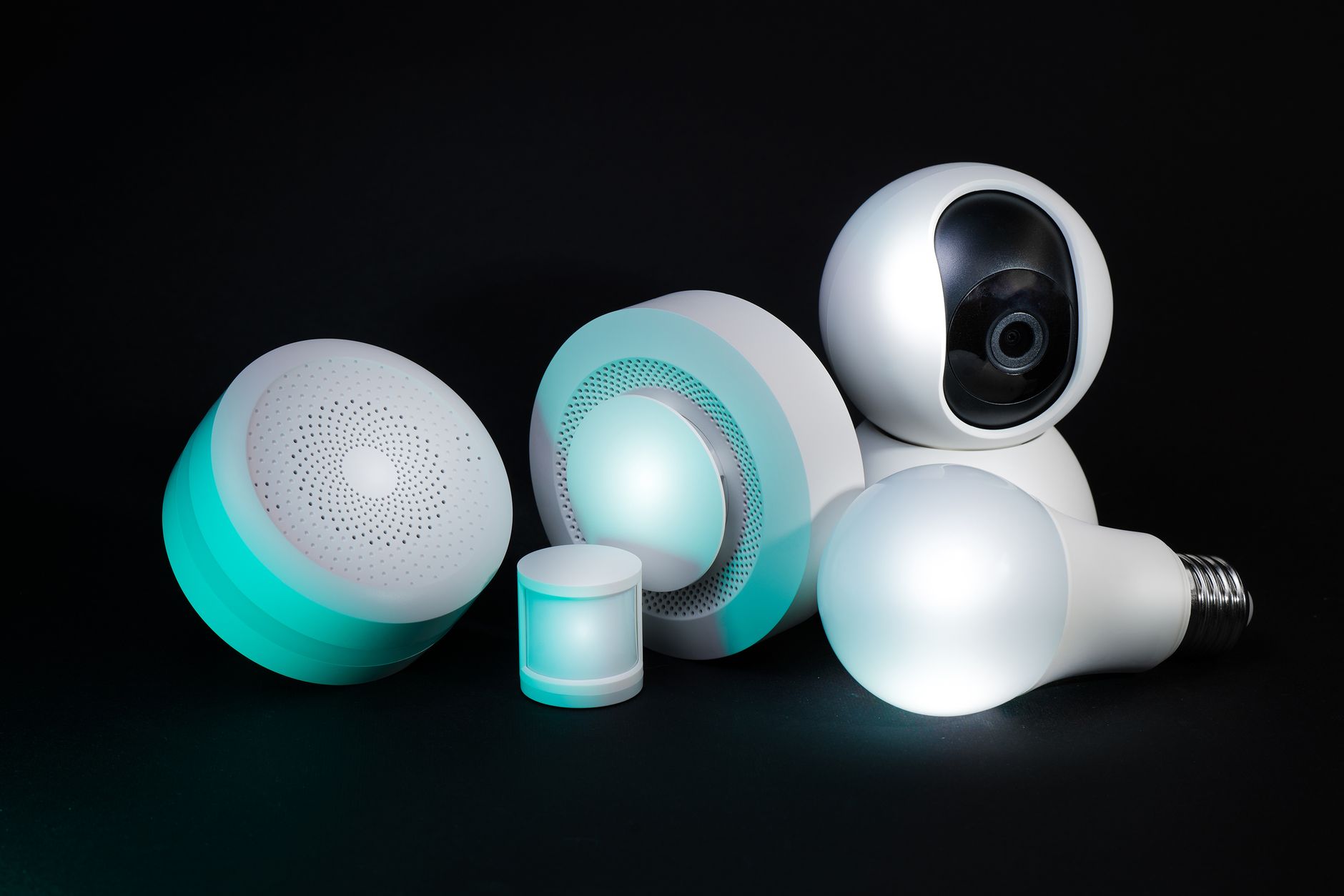
India's smart home market has reached a remarkable milestone, crossing the $6 billion mark as more households embrace connected devices not as status symbols but as everyday utilities. This fundamental shift in consumer perception marks a turning point in how Indian families interact with technology within their living spaces.
The Shift from Luxury to Necessity
The transformation of smart home devices from premium luxuries to practical utilities reflects broader changes in Indian consumer behavior. Rising disposable incomes, improved internet connectivity, and the proliferation of affordable devices have democratized access to smart home technology. What was once the domain of tech enthusiasts and affluent early adopters has now become accessible to middle-class households across urban and semi-urban India.
The pandemic accelerated this transition significantly. With more time spent at home, consumers began prioritizing comfort, convenience, and energy efficiency. Smart devices that could automate routine tasks, enhance security, or reduce electricity bills suddenly became attractive investments rather than frivolous purchases.
Key Drivers of Market Growth
Several factors are propelling India's smart home market expansion:
- Affordable pricing strategies by both domestic and international manufacturers have made smart devices accessible to a broader customer base
- Widespread smartphone adoption provides the interface through which most smart home devices are controlled
- Improved internet infrastructure, including 4G penetration and emerging 5G networks, supports seamless connectivity
- Growing environmental consciousness drives demand for energy-efficient smart appliances and lighting
- Rising concerns about home security fuel adoption of smart cameras, doorbells, and alarm systems
- Integration with voice assistants in regional languages has removed language barriers
Popular Smart Home Categories
The Indian smart home market spans diverse product categories, each addressing specific household needs. Smart lighting systems lead adoption rates, offering energy savings and convenience through scheduling and remote control. Smart security devices, including cameras and video doorbells, have become particularly popular in urban areas where security concerns are paramount.
Smart speakers and displays serve as control hubs for many households, while smart air quality monitors and purifiers address India's pollution challenges. Climate control devices, including smart air conditioners and fans, help manage energy consumption in a country where electricity costs significantly impact household budgets.
Kitchen appliances are also getting smarter, with refrigerators, cooking devices, and water purifiers incorporating connectivity features. Entertainment systems with smart TVs and streaming devices have become standard in many homes.
Regional and Demographic Trends
Metro cities like Mumbai, Delhi, Bangalore, and Hyderabad continue to dominate smart home adoption, but tier-2 and tier-3 cities are emerging as significant growth markets. Younger consumers, particularly millennials and Gen Z homeowners, demonstrate higher adoption rates and willingness to experiment with new technologies.
The rental market also contributes to growth, as temporary smart solutions like plug-and-play devices appeal to renters seeking home improvements without permanent installations.
Challenges and Opportunities
Despite impressive growth, the market faces hurdles. Interoperability remains a concern, as devices from different manufacturers often fail to communicate seamlessly. Privacy and data security worries persist, particularly regarding cameras and devices that collect personal information.
Limited technical support and installation services in smaller cities can deter potential buyers. Additionally, many consumers still require education about the practical benefits and ease of use of smart home technology.
However, these challenges present opportunities for market players. Companies investing in local language support, simplified installation processes, and robust customer service stand to capture significant market share. The development of unified platforms and standards could address interoperability issues and accelerate adoption.
The Road Ahead
Industry analysts project continued strong growth for India's smart home market, with estimates suggesting it could double within the next five years. As 5G networks expand and artificial intelligence capabilities improve, smart homes will become increasingly sophisticated and intuitive.
The integration of renewable energy solutions, such as smart solar panels and battery systems, represents another frontier. As India pursues its sustainability goals, smart home technology will play a crucial role in reducing residential energy consumption and carbon footprints.
The evolution from luxury to utility signifies maturity in India's smart home market. As prices continue to decline and awareness grows, smart home technology is poised to become as commonplace as smartphones, fundamentally changing how Indian households function and families live.