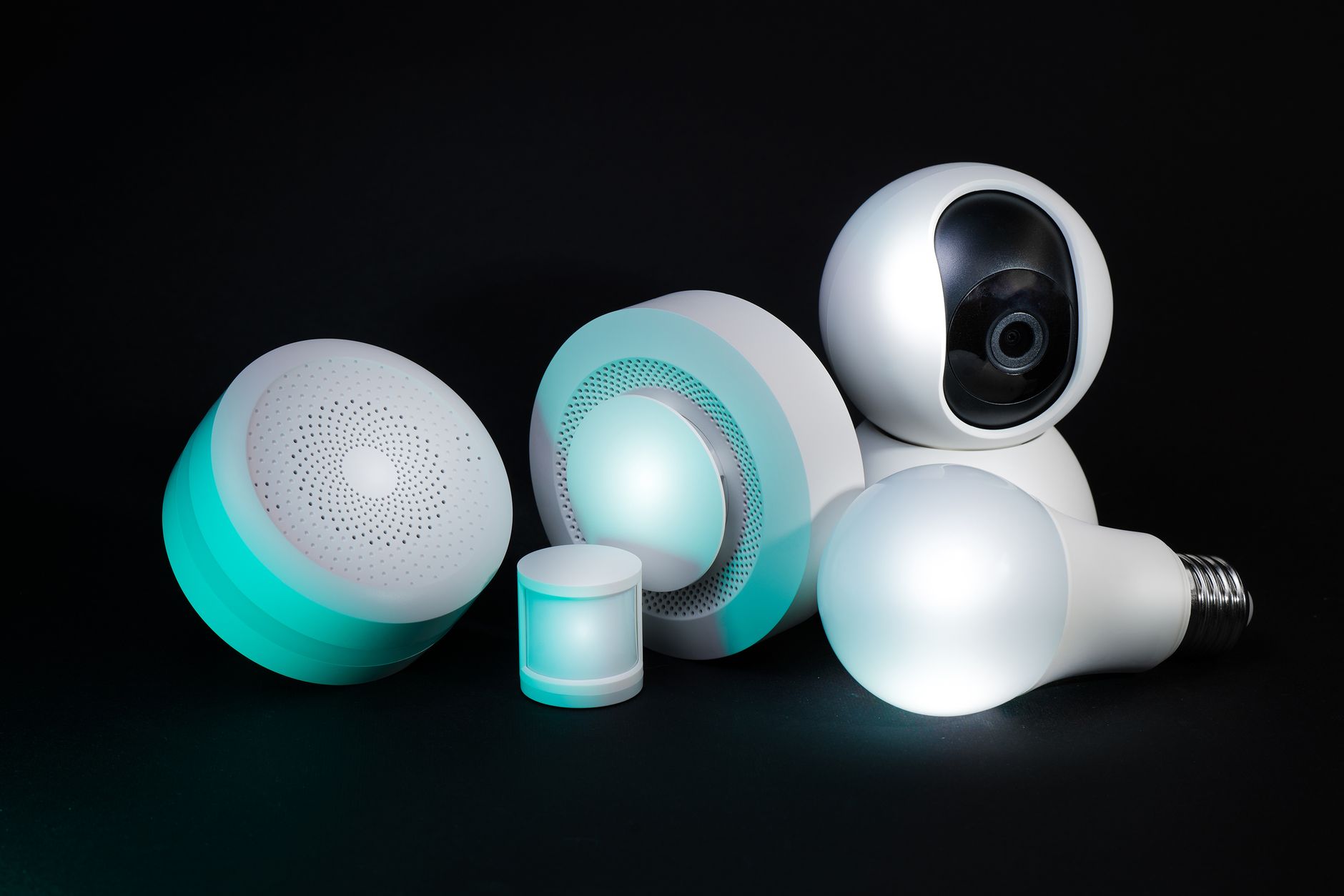
The smart home market has transformed from a futuristic concept into a mainstream reality, with millions of households worldwide adopting connected devices that promise convenience, security, and energy savings. Recent market analyses paint a picture of an industry poised for substantial growth, presenting opportunities for both investors and consumers looking to modernize their living spaces.
Understanding the Smart Home Market Landscape
Smart home technology encompasses a wide range of connected devices and systems that can be controlled remotely or operate autonomously. These include smart speakers, thermostats, lighting systems, security cameras, door locks, appliances, and entertainment systems. The market has evolved significantly over the past decade, moving from niche luxury products to affordable, user-friendly solutions accessible to middle-class consumers.
The global smart home market has been experiencing double-digit growth rates in recent years, with projections suggesting continued expansion through the end of the decade. Several factors drive this momentum, including increasing internet penetration, declining costs of IoT sensors and devices, and growing consumer awareness about energy conservation.
Key Market Drivers and Consumer Adoption Patterns
Consumer preferences are shifting toward integrated ecosystems rather than standalone devices. Major technology companies have developed platforms that allow various devices to communicate seamlessly, creating a more cohesive user experience. Voice assistants have become central hubs for controlling multiple smart home functions, significantly lowering the barrier to entry for less tech-savvy consumers.
Energy management represents a particularly strong growth segment. Smart thermostats and lighting systems that optimize energy consumption appeal to environmentally conscious consumers and those seeking to reduce utility bills. Government incentives in various countries for energy-efficient home upgrades have further accelerated adoption in this category.
Security and surveillance products constitute another major market segment. Smart doorbells, cameras, and comprehensive security systems provide homeowners with real-time monitoring capabilities and peace of mind, especially appealing to families and frequent travelers.
Regional Market Dynamics and Opportunities
North America and Europe currently lead in smart home adoption rates, driven by high disposable incomes, robust internet infrastructure, and strong consumer awareness. However, the Asia-Pacific region is emerging as the fastest-growing market, with rapid urbanization, expanding middle classes, and increasing smartphone penetration in countries like India and China creating enormous potential.
In India specifically, the smart home market is at a nascent but promising stage. Rising urban populations, growing tech literacy, and increasing concerns about home security are driving interest. The market faces challenges including price sensitivity and infrastructure limitations in some areas, but these barriers are gradually diminishing as devices become more affordable and internet connectivity improves.
Investment Considerations and Market Challenges
For investors, the smart home sector offers exposure to multiple growth trends including IoT, artificial intelligence, and sustainable living. Companies involved in manufacturing sensors, developing software platforms, and providing installation and maintenance services stand to benefit from market expansion.
However, the market faces several challenges that could impact growth trajectories. Privacy and data security concerns remain significant obstacles, as consumers grow increasingly wary of devices that collect personal information. Interoperability issues between different brands and platforms can frustrate users and slow adoption. Additionally, the relatively high upfront costs of comprehensive smart home systems may deter budget-conscious consumers, particularly in price-sensitive markets.
Future Outlook and Emerging Trends
Looking ahead, several trends are likely to shape the smart home market's evolution. Artificial intelligence and machine learning will enable more sophisticated automation that learns from user behavior and anticipates needs. Integration with renewable energy systems and electric vehicle charging infrastructure will expand the smart home's role in sustainable living.
The rise of 5G networks will enable faster, more reliable connectivity for smart devices, potentially unlocking new applications that require low latency. Health monitoring and elderly care applications represent emerging segments with substantial growth potential as populations age globally.
For Indian consumers considering smart home investments, starting with high-impact, cost-effective devices like smart lighting or a video doorbell can provide immediate benefits while allowing gradual system expansion. As the market matures and prices continue to decline, comprehensive smart home systems will become increasingly accessible to mainstream consumers.
This article provides general information about market trends and should not be considered as specific investment advice. Readers should conduct their own research and consult with financial advisors before making investment decisions.