The air quality technology market is experiencing unprecedented growth across Asia, transforming how millions of households approach indoor environmental health. From Delhi to Jakarta, smart air purification and monitoring systems are rapidly evolving from luxury items to essential components of modern living spaces.
The Air Quality Crisis Driving Innovation
Asia faces some of the world's most severe air pollution challenges. Major cities regularly record hazardous air quality index readings, with particulate matter (PM2.5) levels frequently exceeding safe thresholds established by health organizations. This persistent problem has created heightened awareness among urban populations about the invisible dangers lurking in both outdoor and indoor air.
Indoor air quality often receives less attention than outdoor pollution, yet people spend approximately 90 percent of their time indoors. Cooking fumes, volatile organic compounds from furniture and paint, dust mites, mold spores, and outdoor pollutants that seep inside all contribute to compromised indoor environments. The COVID-19 pandemic further amplified concerns about airborne pathogens, accelerating consumer interest in technologies that could actively improve breathing environments.
Integration with Smart Home Ecosystems
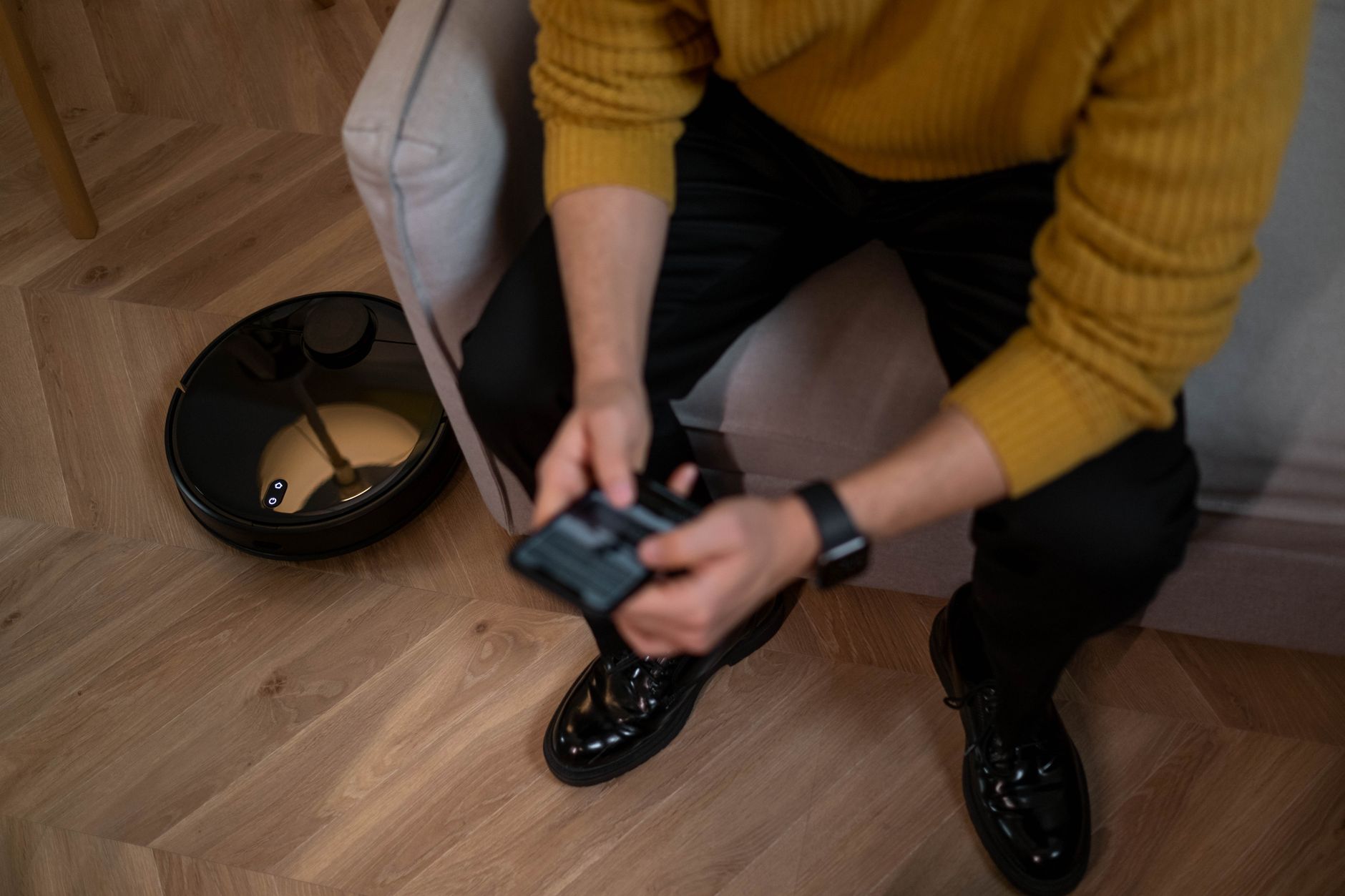
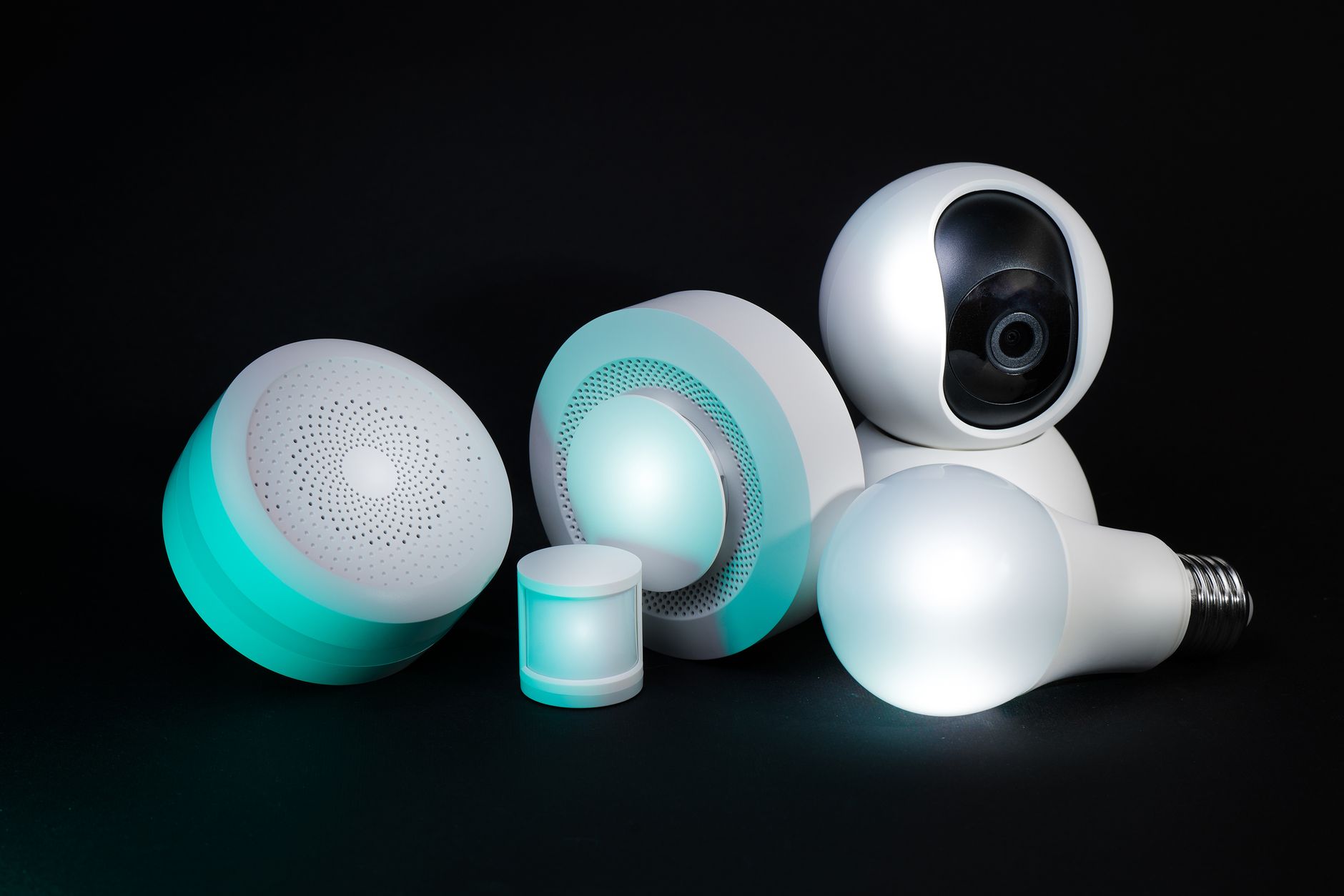
Modern air quality devices no longer function as standalone appliances. Instead, they seamlessly integrate with broader smart home platforms, allowing homeowners to monitor and control their indoor environment through unified apps and voice assistants. These systems can communicate with air conditioners, humidifiers, dehumidifiers, and ventilation systems to create optimized living conditions automatically.
Advanced air purifiers now feature sensors that continuously measure pollutant levels, automatically adjusting filtration intensity based on real-time readings. When pollution spikes outdoors, smart systems can preemptively increase purification or alert homeowners to keep windows closed. Some devices even provide predictive recommendations based on weather forecasts and historical air quality patterns.
Key Features Driving Adoption
Several technological advances have made air quality systems more attractive to Asian consumers:
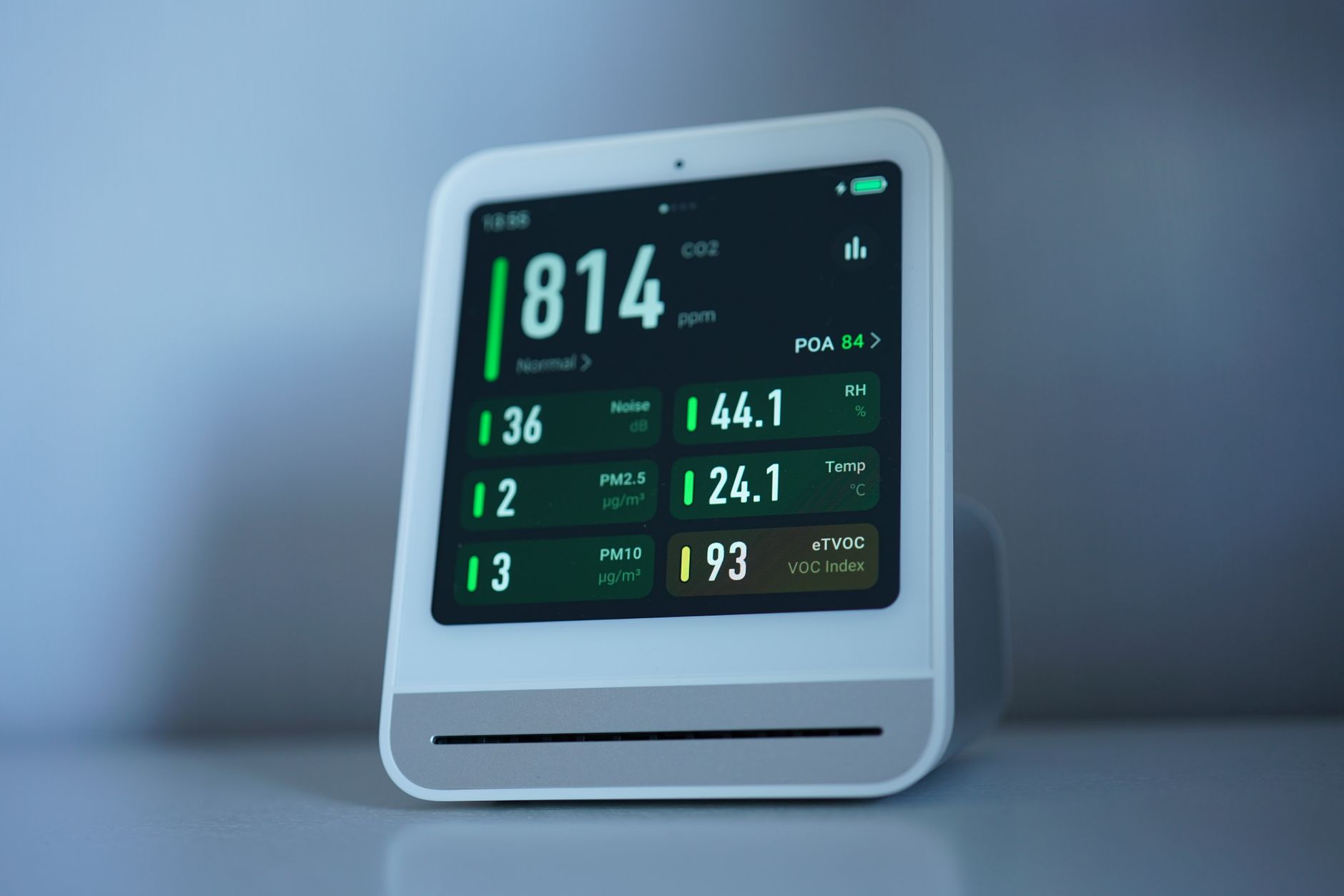
- Real-time monitoring with detailed particulate breakdowns showing PM2.5, PM10, volatile organic compounds, carbon dioxide, and other pollutants
- Mobile connectivity enabling remote monitoring and control from anywhere
- Multi-layer filtration systems combining HEPA filters with activated carbon and specialized technologies
- Energy efficiency improvements reducing operational costs
- Compact designs suitable for space-conscious urban apartments
- Integration with existing smart home platforms like Google Home, Amazon Alexa, and local alternatives
The Health and Wellness Connection
Growing middle-class prosperity across Asia has shifted consumer priorities toward health and wellness investments. Air quality technology fits perfectly within this trend, offering tangible health benefits supported by medical research. Studies consistently link improved indoor air quality to better respiratory health, enhanced sleep quality, reduced allergy symptoms, and improved cognitive function.
Parents with young children represent a particularly receptive demographic, willing to invest significantly in technologies that protect their families from pollution-related health risks. Similarly, elderly households and individuals with respiratory conditions increasingly view air purification as essential rather than optional.
Market Growth and Accessibility
The air quality technology market in Asia has expanded beyond premium segments into mid-range and budget categories, making smart air devices accessible to broader populations. Increased competition among manufacturers has driven innovation while reducing prices, creating a virtuous cycle of adoption.
Local manufacturers have emerged alongside international brands, offering products specifically designed for Asian markets with features addressing regional needs and preferences. Subscription models for filter replacements and maintenance services have also improved convenience and long-term affordability.
Looking Forward
The trajectory of air quality technology in Asian smart homes appears firmly upward. As urbanization continues and environmental awareness deepens, demand for intelligent air management solutions will likely accelerate. Future developments may include more sophisticated sensor networks, artificial intelligence-driven optimization, and integration with urban air quality data for community-level insights.
Building developers are increasingly incorporating air quality systems into new residential projects as standard features rather than upgrades. This shift suggests air technology is transitioning from novelty to necessity in the Asian housing market.
The convergence of pollution challenges, technological advancement, and health consciousness has created ideal conditions for air quality technology to become a cornerstone of Asian smart homes, fundamentally changing how people think about and manage their living environments.