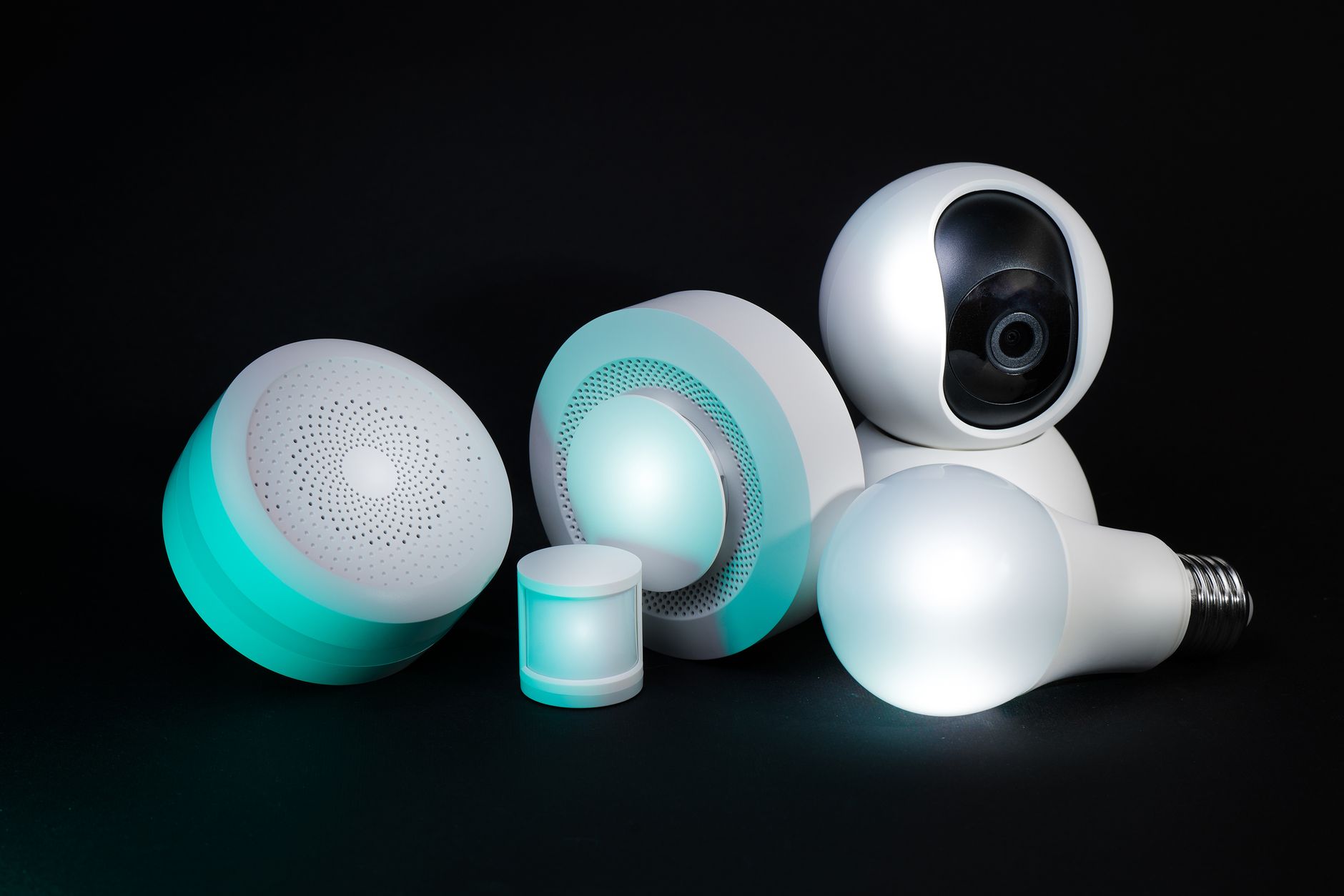
The concept of smart homes has evolved from a futuristic fantasy to an accessible reality for millions of Indian households. As internet connectivity improves and device costs decrease, intelligent home technology is no longer reserved for the wealthy elite but is becoming an integral part of middle-class Indian homes.
What Makes a Home "Smart"?
A smart home uses internet-connected devices to enable remote monitoring and management of appliances and systems. These devices communicate with each other and can be controlled through smartphones, tablets, or voice commands. The technology ranges from simple smart bulbs that adjust brightness based on time of day to sophisticated systems that learn your preferences and automate entire household routines.
The core components typically include smart lighting, climate control systems, security cameras and doorbells, entertainment systems, and kitchen appliances. What ties them together is connectivity through Wi-Fi or Bluetooth and compatibility with central control platforms like Google Home, Amazon Alexa, or Apple HomeKit.
The Indian Smart Home Market
India's smart home market has witnessed exponential growth in recent years. Several factors contribute to this surge. Rising disposable incomes among urban populations have made these technologies more affordable. Additionally, increased awareness about energy conservation and home security has driven adoption. The COVID-19 pandemic also accelerated this trend as people spent more time at home and sought ways to enhance comfort and convenience.
Metropolitan cities like Mumbai, Delhi, Bangalore, and Hyderabad lead the adoption curve, but tier-2 and tier-3 cities are rapidly catching up. The availability of affordable Indian and Chinese brands alongside established international players has democratized access to smart home technology.
Popular Smart Home Solutions in India
Smart lighting remains the most popular entry point for Indian consumers. Brands offer bulbs and LED strips that can be controlled remotely, scheduled to turn on and off, and adjusted for colour and intensity. These typically cost between Rs 500 to Rs 2,000 per bulb, making them an accessible starting point.
Smart security systems have gained significant traction, particularly in urban apartments and standalone homes. Video doorbells allow homeowners to see and speak with visitors remotely, while smart locks eliminate the need for physical keys. Motion-sensor cameras provide real-time alerts and footage accessible from anywhere.
Climate control through smart air conditioners and fans helps Indian households manage the country's extreme temperatures more efficiently. These devices can be programmed to cool rooms before residents arrive home or adjusted remotely when plans change.
Voice assistants have become household companions, helping with everything from playing music and setting reminders to controlling other smart devices through simple voice commands. Their ability to understand Indian accents and regional languages has improved significantly.
Benefits Driving Adoption
Energy efficiency stands out as a major advantage. Smart thermostats and lighting systems can reduce electricity bills by 20-30% through optimized usage patterns. In a country where energy costs continue to rise, these savings provide strong financial incentives.
Enhanced security gives homeowners peace of mind. Real-time monitoring, instant alerts, and remote access to security footage help protect properties whether residents are at work, traveling, or simply asleep.
Convenience and time-saving cannot be overstated. Automating routine tasks like adjusting lights, setting room temperature, or locking doors frees up mental energy and physical effort. For busy professionals and elderly individuals, this convenience significantly improves quality of life.
Challenges and Considerations
Despite rapid growth, several challenges persist. Internet connectivity issues in some areas can hamper device functionality. Privacy concerns about data collection and potential hacking vulnerabilities make some consumers hesitant. The initial investment cost, while decreasing, remains prohibitive for lower-income households.
Compatibility between devices from different manufacturers can create complications. Ensuring all devices work seamlessly together requires research and sometimes technical expertise that average consumers may lack.
The Future of Smart Homes in India
The trajectory points toward even greater integration and intelligence. Artificial intelligence and machine learning will enable homes that truly learn and adapt to resident preferences without manual programming. Integration with renewable energy sources like solar panels will become standard. Voice and gesture control will become more intuitive and responsive.
As 5G networks expand across India, smart home devices will become faster and more reliable. The focus will shift from individual smart devices to comprehensive home ecosystems that work in harmony to create truly intelligent living spaces.
The rise of intelligent home technology in India represents more than just gadget adoption. It reflects changing lifestyles, increasing technological literacy, and a desire for homes that respond to our needs rather than the other way around. As prices continue to fall and capabilities expand, smart homes will define the standard for modern living in India.