India's home automation market is witnessing unprecedented growth, with projections suggesting the sector could reach significant valuations in the coming years. Once considered a luxury reserved for premium properties, smart home technology is rapidly becoming accessible to middle-class Indian households, fundamentally changing how we interact with our living spaces.
The Numbers Behind the Boom
The Indian smart home market has been growing at a compound annual growth rate exceeding 20 percent, driven by factors ranging from increased internet penetration to declining costs of smart devices. Cities like Mumbai, Bengaluru, Delhi, and Hyderabad are leading this transformation, with new residential projects increasingly incorporating smart features as standard offerings rather than premium add-ons.
Industry analysts attribute this surge to several converging factors. The COVID-19 pandemic accelerated digital adoption across all age groups, making homeowners more comfortable with technology-driven solutions. Additionally, the proliferation of affordable smartphones has created an ecosystem where controlling home devices remotely has become second nature to millions of Indians.
What's Driving Indian Consumers Toward Smart Homes
Several key factors are propelling the smart home revolution in India:
- Affordability: Smart devices have become significantly cheaper, with basic smart bulbs, plugs, and switches now available for a few hundred rupees
- Energy Efficiency: Rising electricity costs are pushing homeowners toward smart thermostats, lighting, and appliances that optimize consumption
- Security Concerns: Smart cameras, video doorbells, and intelligent locks offer peace of mind in an era of increasing urban crime
- Convenience: Voice-controlled assistants and automated routines eliminate mundane tasks and enhance comfort
- Status Symbol: For many, smart home features represent modern living and technological sophistication
Popular Smart Home Solutions in Indian Households
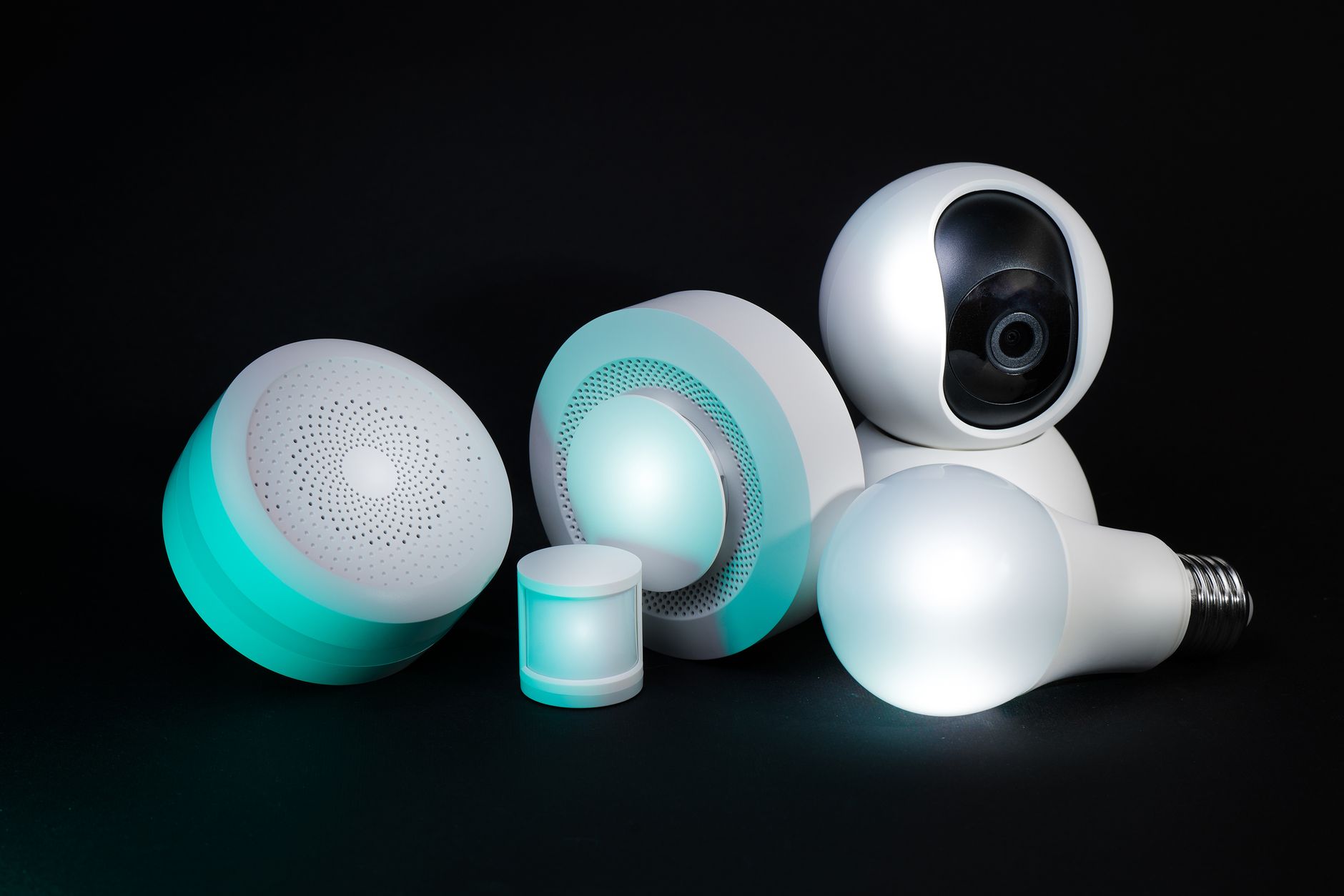
The Indian market shows distinct preferences compared to Western counterparts. Smart lighting systems remain the most popular entry point, allowing users to control brightness, color, and scheduling through smartphone apps or voice commands. These systems are particularly appealing because they require minimal installation expertise and offer immediate, visible benefits.
Smart security systems, including CCTV cameras with cloud storage and AI-powered motion detection, rank second in adoption. Indian consumers particularly value features like remote monitoring and instant mobile alerts, enabling them to keep tabs on their properties from anywhere in the world.
Climate control solutions, including smart air conditioners and fans, are gaining traction in a country where temperature management is crucial for comfort. These devices learn usage patterns and can be programmed to optimize cooling while minimizing electricity bills.
Smart speakers with voice assistants have become household staples, serving as control hubs for other connected devices while providing entertainment, information, and shopping capabilities.
Challenges and Barriers to Adoption
Despite rapid growth, the smart home sector faces several hurdles in India. Internet connectivity remains inconsistent in many areas, and concerns about data privacy and cybersecurity continue to make some consumers hesitant. The fragmented nature of the market, with numerous brands offering incompatible ecosystems, creates confusion for first-time buyers.
Installation and maintenance challenges persist, particularly for older homes not designed with smart technology in mind. Many consumers lack technical knowledge, requiring professional installation services that add to overall costs.
The Role of Real Estate Developers
Forward-thinking developers are increasingly incorporating smart features into new projects, recognizing that tech-enabled homes command premium prices and attract younger buyers. Integrated smart home packages covering lighting, security, and climate control are becoming standard in luxury and mid-segment apartments.
This developer-driven adoption is crucial because it introduces smart home technology to buyers who might not have considered it independently, creating a larger user base and driving further market growth.
Looking Ahead: The Future of Indian Smart Homes
The trajectory suggests that smart homes will become the norm rather than the exception in urban India within the next decade. Emerging technologies like artificial intelligence and machine learning will make homes increasingly intuitive, learning from resident behaviors to anticipate needs automatically.
Integration between devices will improve, creating seamless ecosystems where lights, appliances, security systems, and entertainment work in harmony. The Internet of Things will expand beyond current applications, potentially incorporating health monitoring, elderly care, and sustainable living solutions.
As 5G networks expand across India and device costs continue declining, even tier-2 and tier-3 cities will likely embrace home automation, ensuring this technological revolution reaches beyond metropolitan centers.
The smart home boom in India represents more than just a technology trend—it signals a fundamental shift in how we conceptualize modern living, prioritizing efficiency, security, and convenience in equal measure.