India's health and welfare system represents one of the most complex and diverse healthcare landscapes in the world. With over 1.4 billion people, the country faces unique challenges in delivering accessible, affordable, and quality healthcare to its population while simultaneously preserving traditional medical practices that have existed for millennia.
The Dual Healthcare Structure
India operates a dual healthcare system comprising both public and private sectors. The public healthcare system, funded by the government, includes primary health centers, community health centers, district hospitals, and tertiary care institutions. This network is designed to provide free or subsidized healthcare to the economically disadvantaged sections of society.
The private healthcare sector has grown exponentially over the past few decades, offering advanced medical treatments and facilities. However, this growth has created a stark divide, with quality healthcare often remaining financially out of reach for a significant portion of the population.
Major Health Challenges
Despite remarkable progress in certain areas, India continues to grapple with several health challenges:
- High burden of communicable diseases including tuberculosis, malaria, and dengue
- Rising incidence of non-communicable diseases such as diabetes, cardiovascular conditions, and cancer
- Maternal and infant mortality rates that remain higher than desired targets
- Malnutrition and anemia, particularly among women and children
- Healthcare infrastructure gaps between urban and rural areas
- Shortage of trained medical professionals, especially in remote regions
Government Welfare Initiatives
The Indian government has launched several ambitious programs to improve healthcare access and outcomes. The Ayushman Bharat scheme, introduced in 2018, aims to provide health insurance coverage to approximately 500 million vulnerable citizens. This initiative represents one of the world's largest government-funded healthcare programs.
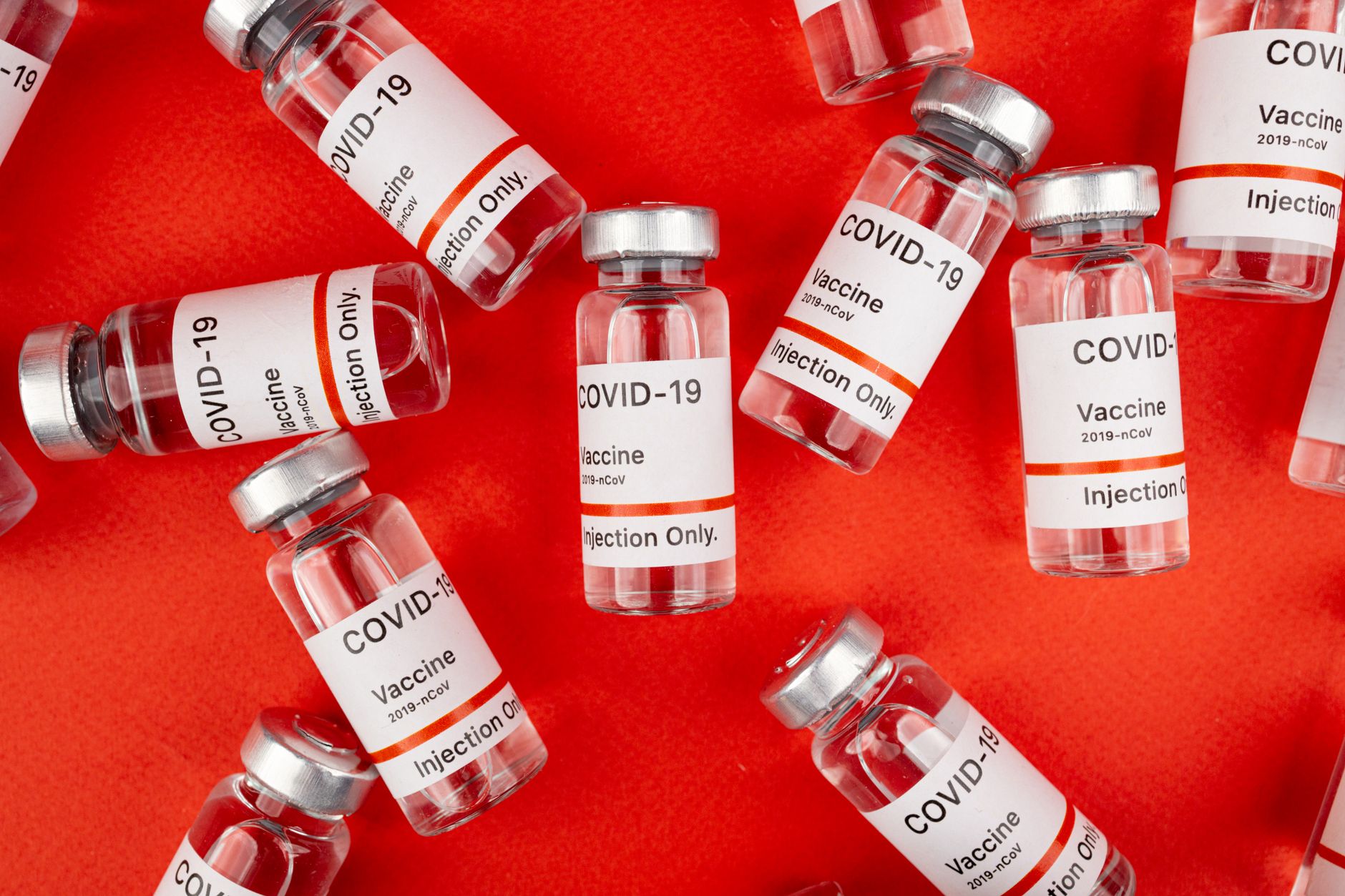
The National Health Mission focuses on strengthening healthcare infrastructure, particularly in rural areas, while programs targeting specific diseases have shown measurable success. The Universal Immunization Program has significantly reduced vaccine-preventable diseases, and initiatives like the National Tuberculosis Elimination Program work toward eliminating specific health threats.
Traditional Medicine Systems
India's healthcare identity is incomplete without acknowledging its traditional medicine systems. Ayurveda, Yoga, Unani, Siddha, and Homeopathy (collectively known as AYUSH) form an integral part of the country's medical heritage. The government has established a separate ministry to promote and integrate these systems with conventional medicine, recognizing their cultural significance and therapeutic potential.
Population Dynamics and Health
India's demographic profile significantly influences its healthcare needs. With a median age of approximately 28 years, the country has a relatively young population, which presents both opportunities and challenges. While this demographic dividend can drive economic growth, it also requires substantial investment in reproductive health, child nutrition, and education.
Population control efforts have evolved from aggressive campaigns to a more nuanced approach focusing on family planning education, women's empowerment, and access to contraceptives. Several states have successfully reduced fertility rates through improved education and economic opportunities for women.
Healthcare Infrastructure Development
Recent years have witnessed increased investment in healthcare infrastructure. The establishment of All India Institutes of Medical Sciences (AIIMS) in multiple states, upgradation of district hospitals, and expansion of medical education capacity demonstrate commitment to strengthening the healthcare ecosystem.
Digital health initiatives are transforming healthcare delivery, with telemedicine services bridging geographical barriers and electronic health records improving care coordination. The COVID-19 pandemic accelerated digital adoption, with platforms enabling remote consultations and health monitoring.
The Path Forward
India's journey toward comprehensive healthcare for all requires sustained efforts across multiple fronts. Increasing public health expenditure, currently lower than desired benchmarks, remains a priority. Strengthening primary healthcare, training more medical professionals, and ensuring equitable distribution of resources across urban and rural areas are essential steps.
The integration of preventive healthcare, health education, and community participation can create a more resilient health system. Additionally, addressing social determinants of health such as poverty, education, sanitation, and nutrition will be crucial in achieving better health outcomes.
This article provides general information about India's healthcare system and should not be considered as medical or professional health advice. For specific health concerns or medical guidance, please consult qualified healthcare professionals.