India is witnessing a fundamental shift in how healthcare information is managed and accessed. The country's digital health infrastructure is moving away from fragmented, provider-controlled records toward a system where citizens own and control their complete health data. This transformation promises to revolutionize healthcare delivery, improve outcomes, and empower individuals to make informed decisions about their wellbeing.
The Traditional Healthcare Data Challenge
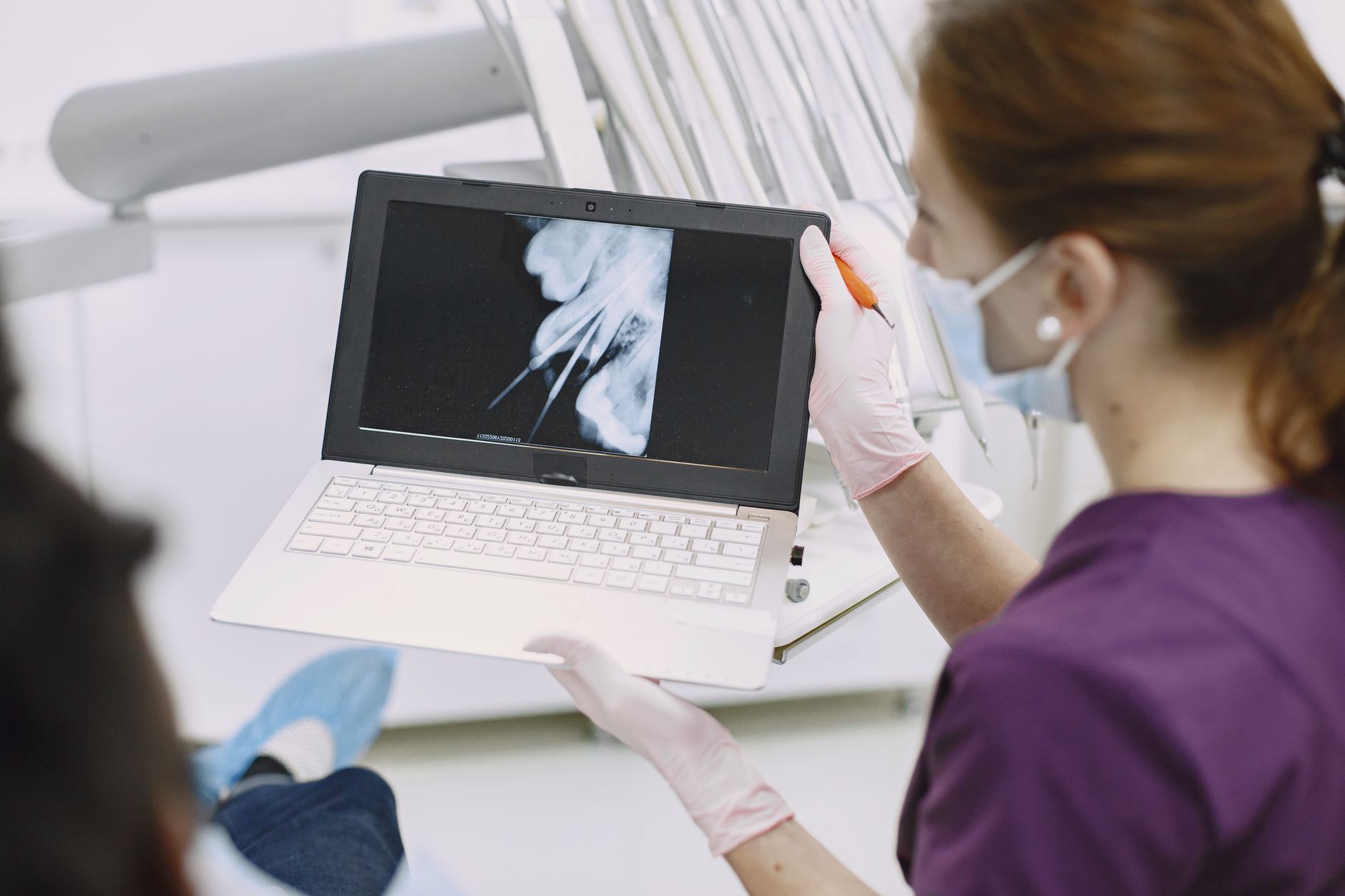
For decades, Indian patients faced a common frustration: their medical records were scattered across multiple hospitals, clinics, and diagnostic centers. Each healthcare provider maintained separate files, often in paper form, with no easy way to share information. When visiting a new doctor, patients had to repeat their entire medical history, carry physical reports, or worse, undergo duplicate tests because previous results were unavailable.
This fragmentation led to inefficiencies, increased costs, delayed diagnoses, and sometimes dangerous gaps in care when critical information was missing during emergencies. Healthcare providers worked in silos, unable to access a patient's complete medical history even when it was urgently needed.
Enter the Ayushman Bharat Digital Mission
Launched as part of India's broader digital transformation, the Ayushman Bharat Digital Mission (ABDM) aims to create a nationwide digital health ecosystem. At its core is a simple but powerful concept: every citizen receives a unique Ayushman Bharat Health Account (ABHA) number, which becomes their lifelong health identifier.
This 14-digit number links all health records across different providers into a unified digital repository that the individual controls. Whether you visit a government hospital in Delhi or a private clinic in Chennai, your complete health history travels with you digitally, accessible only with your consent.
Key Components of Digital Health Ownership
The digital health ecosystem comprises several interconnected elements working together:
- Health ID (ABHA number) that uniquely identifies each citizen
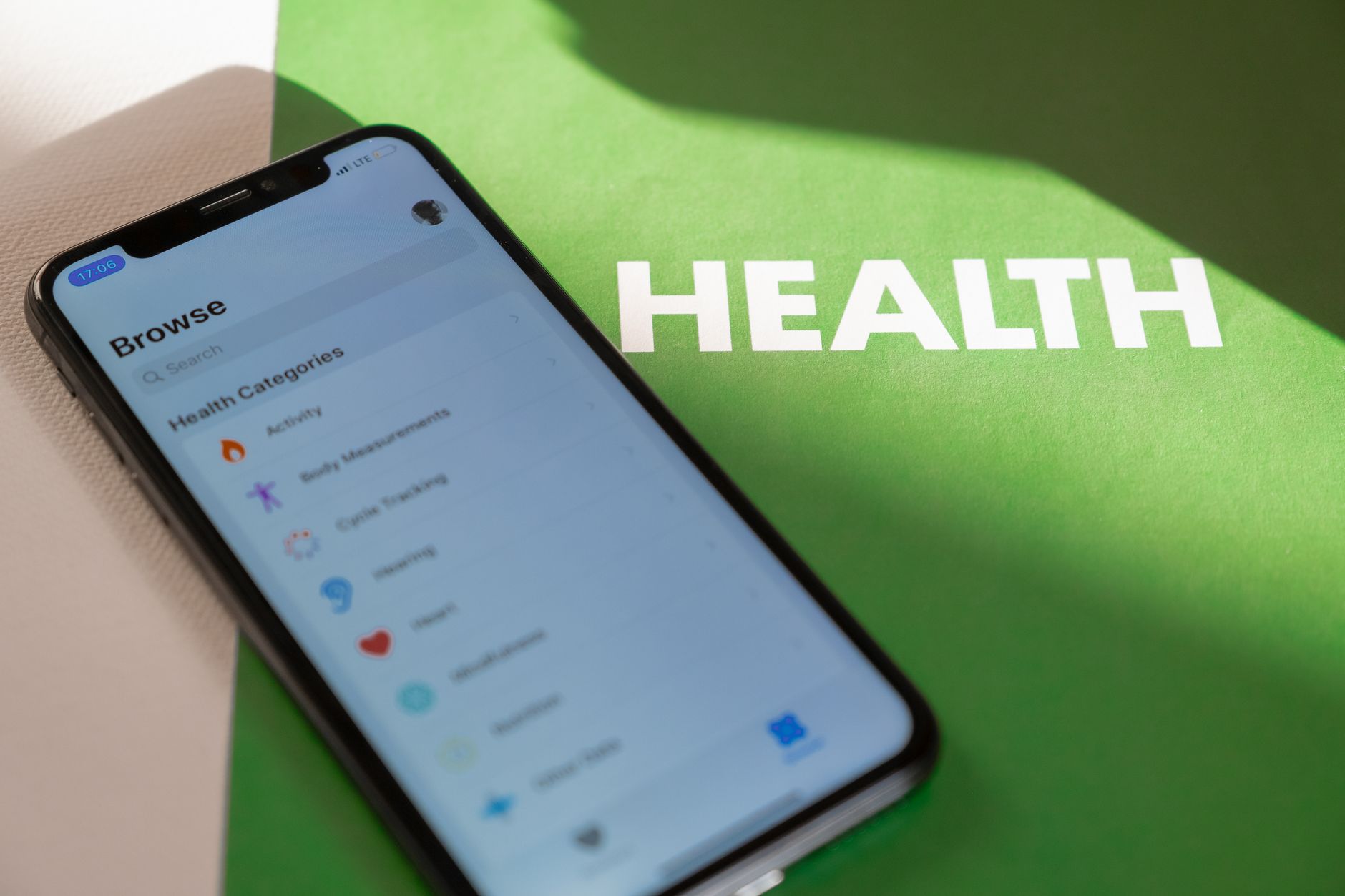
- Personal Health Records (PHR) applications where citizens store and access their health data
- Healthcare Professionals Registry for verified doctors and medical staff
- Health Facility Registry listing all registered hospitals and clinics
- Consent management framework ensuring individuals control who accesses their information
Real-World Benefits for Citizens
The practical advantages of health data ownership extend across multiple scenarios. During emergencies, paramedics and hospital staff can instantly access blood type, allergies, chronic conditions, and current medications if the patient has shared consent beforehand, potentially saving crucial minutes.
For routine care, citizens no longer need to carry physical files when changing doctors or seeking second opinions. Specialists can review complete diagnostic histories, previous treatments, and medication responses before the first consultation, leading to more informed decisions.
Patients with chronic conditions like diabetes or hypertension benefit particularly from longitudinal records that track their health parameters over months and years, helping doctors identify trends and adjust treatments proactively.
Privacy and Security Considerations
Digital health ownership raises important questions about data security. The Indian system addresses these through multiple safeguards. Health information sharing requires explicit, time-bound consent from the individual for each transaction. Citizens can grant, revoke, or limit access at any time through their PHR applications.
Data is encrypted during transmission and storage, with strict regulatory frameworks governing who can access health information and under what circumstances. Healthcare providers face penalties for unauthorized access or data breaches, creating accountability throughout the system.
Challenges in Implementation
Despite its promise, widespread adoption faces obstacles. Digital literacy remains uneven across India's population, particularly among elderly and rural citizens who may struggle with smartphone applications. Infrastructure gaps, including unreliable internet connectivity in remote areas, can hinder access to digital health services.
Healthcare providers, especially smaller clinics and practitioners, need technological upgrades and training to integrate with the digital health ecosystem. Some remain hesitant about the transition from familiar paper systems.
The Road Ahead
India's digital health transformation represents a global experiment in citizen-centric healthcare data management. As adoption grows and more healthcare providers join the network, the system's value increases exponentially. Each connected hospital, diagnostic center, and pharmacy makes the ecosystem more useful for everyone.
The ultimate vision extends beyond record-keeping to predictive healthcare, where artificial intelligence analyzes population health data (in anonymized form) to identify disease patterns, prevent outbreaks, and improve public health interventions while individuals maintain control over their personal information.
This shift from health records to health ownership marks a significant step in treating patients as active participants rather than passive recipients of healthcare, fundamentally changing the doctor-patient dynamic for India's 1.4 billion citizens.
This article provides general information about India's digital health initiatives and should not be considered medical or technical advice. Readers should consult healthcare providers and official ABDM resources for specific guidance on health data management.