India's healthcare system is undergoing a significant transformation as the government and private sector increasingly leverage community-based initiatives and digital technologies to extend medical services to underserved populations. This dual approach addresses longstanding challenges of accessibility, affordability, and quality care in a country where healthcare infrastructure remains unevenly distributed.
The Community Health Worker Model
At the heart of India's community healthcare strategy are frontline workers who serve as vital links between formal health systems and remote populations. The Accredited Social Health Activist (ASHA) program, launched under the National Rural Health Mission, has deployed nearly one million community health workers across rural India. These workers conduct door-to-door visits, provide basic health education, facilitate immunizations, and refer patients to primary health centers.
Community health workers have proven particularly effective in maternal and child health initiatives, helping reduce infant and maternal mortality rates significantly over the past two decades. They also play crucial roles in managing chronic diseases, conducting health screenings, and raising awareness about preventive care in villages where formal healthcare facilities may be hours away.
Digital Health Infrastructure
India's digital health revolution centers on the Ayushman Bharat Digital Mission (ABDM), which aims to create a unified digital health ecosystem. This initiative includes the creation of unique health IDs for citizens, digitized health records, and a registry of healthcare providers and facilities. The digital infrastructure enables seamless sharing of medical records across providers, reducing duplication of tests and improving treatment continuity.
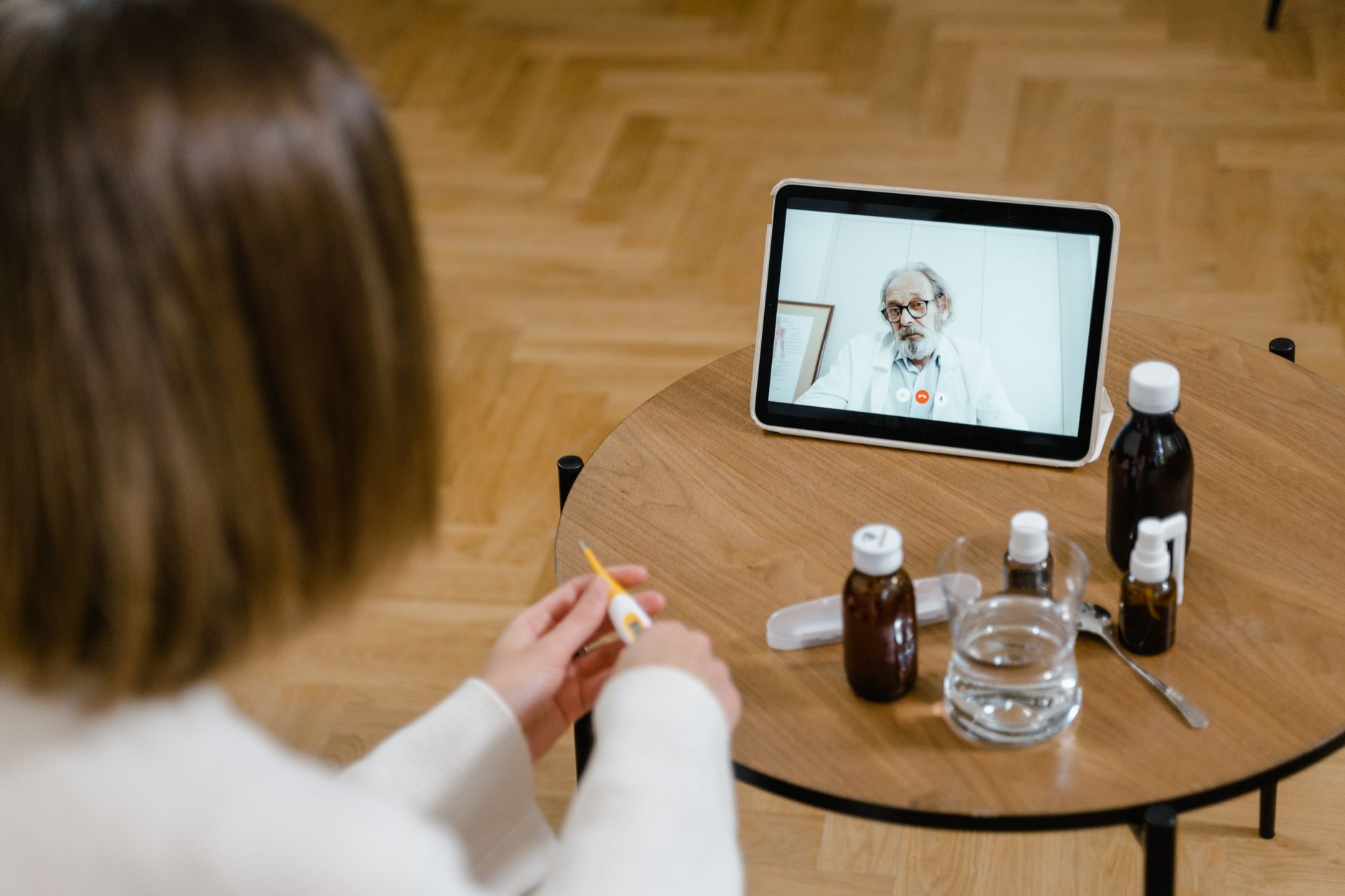
Telemedicine platforms have expanded rapidly, particularly following the COVID-19 pandemic. The eSanjeevani platform alone has facilitated over 100 million teleconsultations, connecting patients in remote areas with specialist doctors in urban centers. This digital bridge significantly reduces the need for expensive and time-consuming travel for routine consultations and follow-ups.
Mobile Health Applications
Smartphone penetration and affordable internet connectivity have enabled mobile health applications to reach millions of Indians. Government-backed apps provide services ranging from appointment booking and prescription management to health information and symptom checkers. Private healthcare providers have also developed sophisticated apps offering video consultations, medicine delivery, and diagnostic test bookings at home.
These applications are increasingly available in regional languages, making them accessible to non-English speaking populations. Some apps incorporate artificial intelligence to provide preliminary diagnoses and health risk assessments, though these always recommend consulting qualified healthcare professionals for treatment decisions.
Integration of Traditional and Modern Medicine
India's approach uniquely integrates traditional medicine systems including Ayurveda, Yoga, Unani, Siddha, and Homeopathy (AYUSH) with allopathic medicine. Community health centers increasingly offer both traditional and modern treatment options, respecting cultural preferences while ensuring evidence-based care. Digital platforms also provide consultations with AYUSH practitioners, expanding access to these traditional healing systems.
Challenges and Ongoing Efforts
Despite progress, significant challenges remain. Digital literacy varies widely across demographics, with elderly populations and those in extremely remote areas still struggling to access digital health services. Infrastructure gaps, including unreliable internet connectivity in some regions, limit the effectiveness of telemedicine.
The quality and regulation of digital health services also require continuous monitoring. Ensuring data privacy and security for sensitive health information remains a priority as the digital ecosystem expands. The government has implemented strict guidelines, but enforcement and public awareness need strengthening.
Healthcare worker training and retention pose ongoing challenges. While community health workers are invaluable, ensuring they receive adequate training, fair compensation, and career development opportunities is essential for program sustainability.
Looking Forward
India's integrated approach combining community health networks with digital innovation represents a scalable model potentially applicable to other developing nations facing similar healthcare access challenges. The emphasis on preventive care, early detection, and continuous monitoring through these combined channels promises to reduce the burden on tertiary care facilities while improving overall population health outcomes.
As technology advances and digital penetration increases, the synergy between community-based and digital healthcare services is expected to deepen, bringing quality healthcare within reach of India's entire population, regardless of geographic or economic barriers.
This article is for general informational purposes only and should not be considered medical advice. Always consult qualified healthcare professionals for diagnosis, treatment, and medical guidance specific to your health condition.