The smart home market in India is witnessing rapid evolution, and TP-Link's latest addition aims to address a critical challenge many homeowners face: integrating existing non-smart appliances into their connected home ecosystem. The Tapo H110 Smart IR & IoT Hub represents a strategic move to make home automation more accessible and comprehensive.
What is the Tapo H110 Smart IR & IoT Hub
The Tapo H110 is a centralised control device that combines two essential functions. First, it acts as an infrared blaster, capable of controlling traditional IR-based appliances like air conditioners, televisions, set-top boxes, and fans that typically operate via remote controls. Second, it serves as an IoT hub, enabling communication between various smart devices within the Tapo ecosystem.
This dual functionality means homeowners no longer need to replace all their existing appliances to enjoy smart home benefits. Instead, the H110 acts as a translator between old and new technology, allowing users to control everything from a single interface.
Key Features and Functionality
The device likely supports voice control integration with popular virtual assistants, allowing users to command their IR-controlled appliances through voice commands. This transforms a standard air conditioner or television into a voice-activated smart device without any hardware modifications to the appliance itself.
The hub typically stores multiple IR codes for various appliance brands and models, eliminating the need for manual programming in most cases. Users can set up their devices through the Tapo smartphone application, which guides them through selecting their appliance brand and testing the connection.
Automation capabilities represent another significant advantage. Users can create schedules for their appliances, such as automatically turning on the air conditioner fifteen minutes before arriving home or switching off the television at a specific time each night. Scene creation allows multiple devices to respond to a single trigger, like a "Good Morning" routine that adjusts curtains, temperature, and lighting simultaneously.
Integration with the Tapo Ecosystem
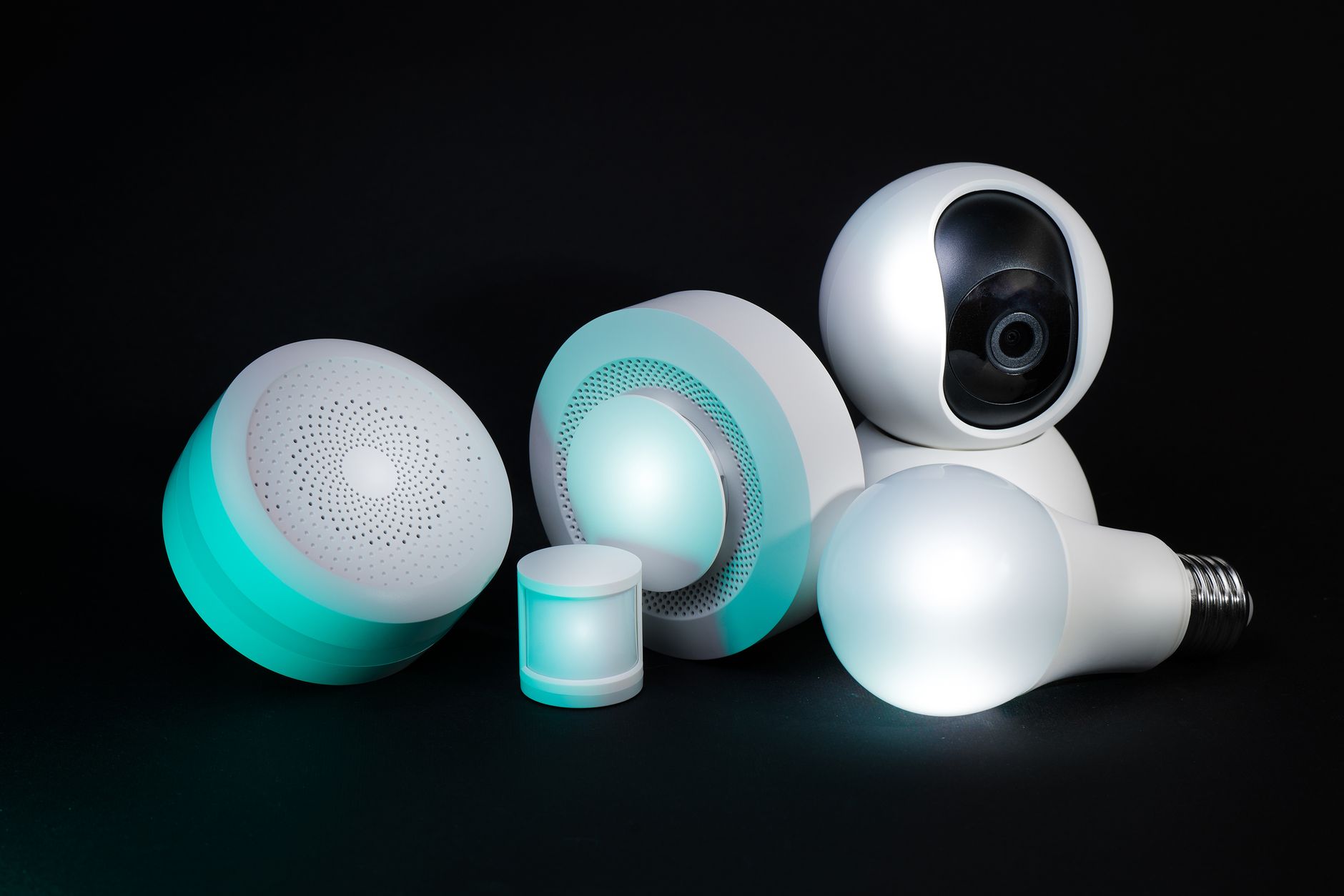
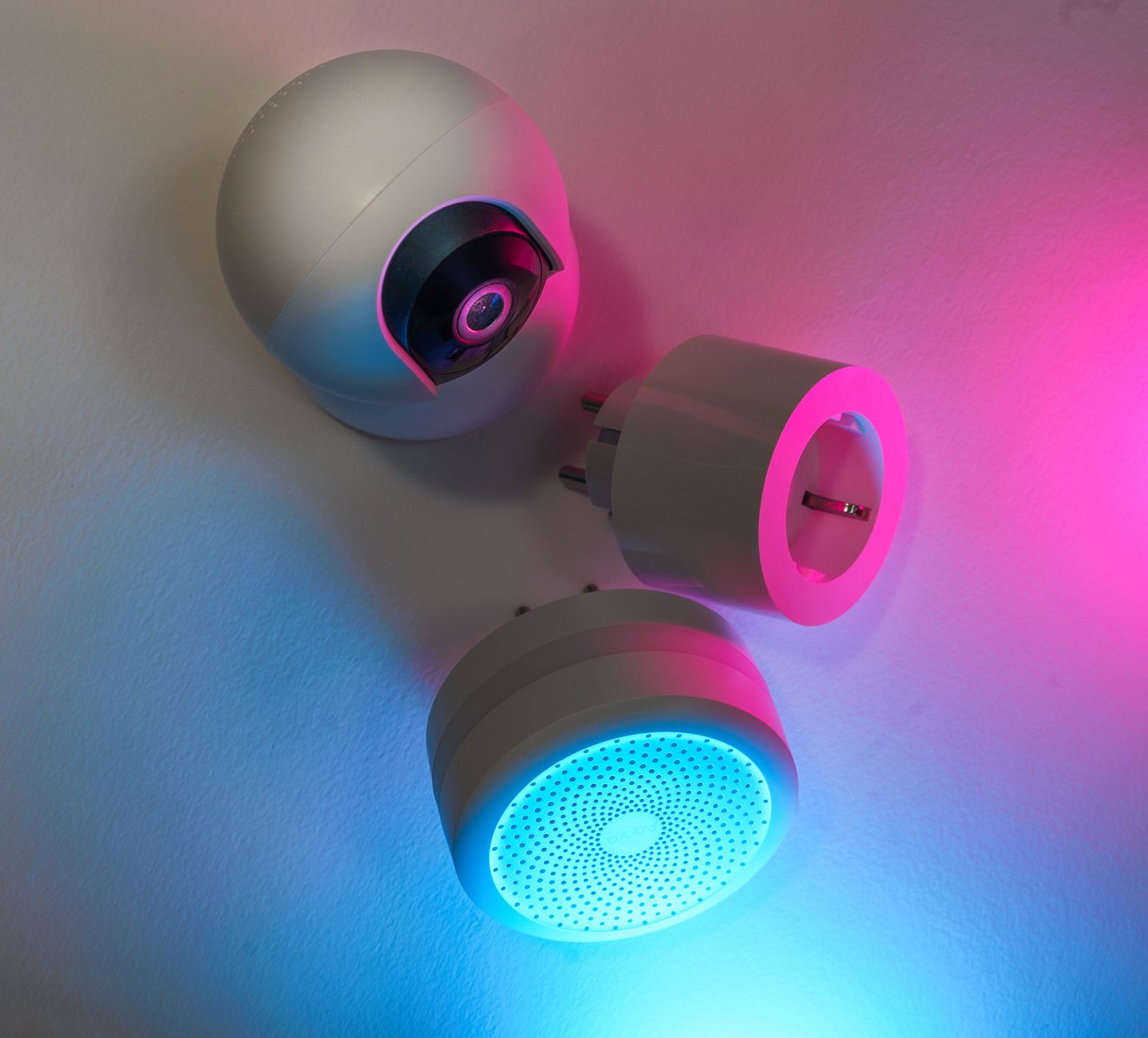
The IoT hub functionality connects various Tapo smart devices, including smart bulbs, plugs, cameras, and sensors, creating a cohesive ecosystem. This integration enables more sophisticated automation scenarios where sensors can trigger actions across multiple devices.
For example, a motion sensor could activate specific lighting scenes and adjust the air conditioning temperature when someone enters a room. Temperature and humidity sensors can automatically trigger climate control devices when conditions exceed preset thresholds.
Why This Matters for Indian Consumers
Indian households typically contain a mix of traditional and smart appliances, making universal smart home solutions particularly valuable. Many consumers hesitate to invest in complete smart home overhauls due to cost considerations, making bridge devices like the H110 an attractive middle ground.
The device addresses climate-specific needs common in India, where air conditioning and fan control represent significant use cases. Remote control capabilities prove especially useful during extreme weather conditions, allowing users to precondition their homes before arrival.
Energy management becomes easier as well, with the ability to monitor and schedule appliance usage potentially leading to reduced electricity consumption. Users can ensure devices are not left running unnecessarily and optimise usage during off-peak hours where applicable.
Considerations Before Purchase
Potential buyers should verify compatibility with their specific appliance brands and models, as IR coverage varies by manufacturer. The device requires stable WiFi connectivity to function properly, so network reliability becomes essential for consistent performance.
Placement matters significantly for IR blasters, as they require line-of-sight or near-line-of-sight to controlled devices. Users may need to experiment with positioning to ensure reliable signal transmission across all target appliances.
Privacy-conscious consumers should review data handling policies when connecting devices to cloud-based platforms, understanding what information is collected and how it is used.
The Broader Smart Home Trend
This launch reflects the growing maturity of India's smart home market, where manufacturers increasingly focus on practical solutions that work with existing infrastructure rather than requiring complete replacements. As internet penetration deepens and smartphone adoption continues rising, demand for affordable, user-friendly smart home solutions will likely accelerate.
The Tapo H110 represents the type of pragmatic innovation that could drive broader smart home adoption by lowering barriers to entry and demonstrating tangible convenience benefits without requiring substantial upfront investment in new appliances.