The concept of a smart home, once confined to science fiction or the preserve of ultra-luxury properties, is now becoming increasingly accessible to Indian homeowners. From voice-activated assistants to automated lighting and security systems, intelligent home technology is redefining modern living across urban and semi-urban India.
What Makes a Home "Smart"?
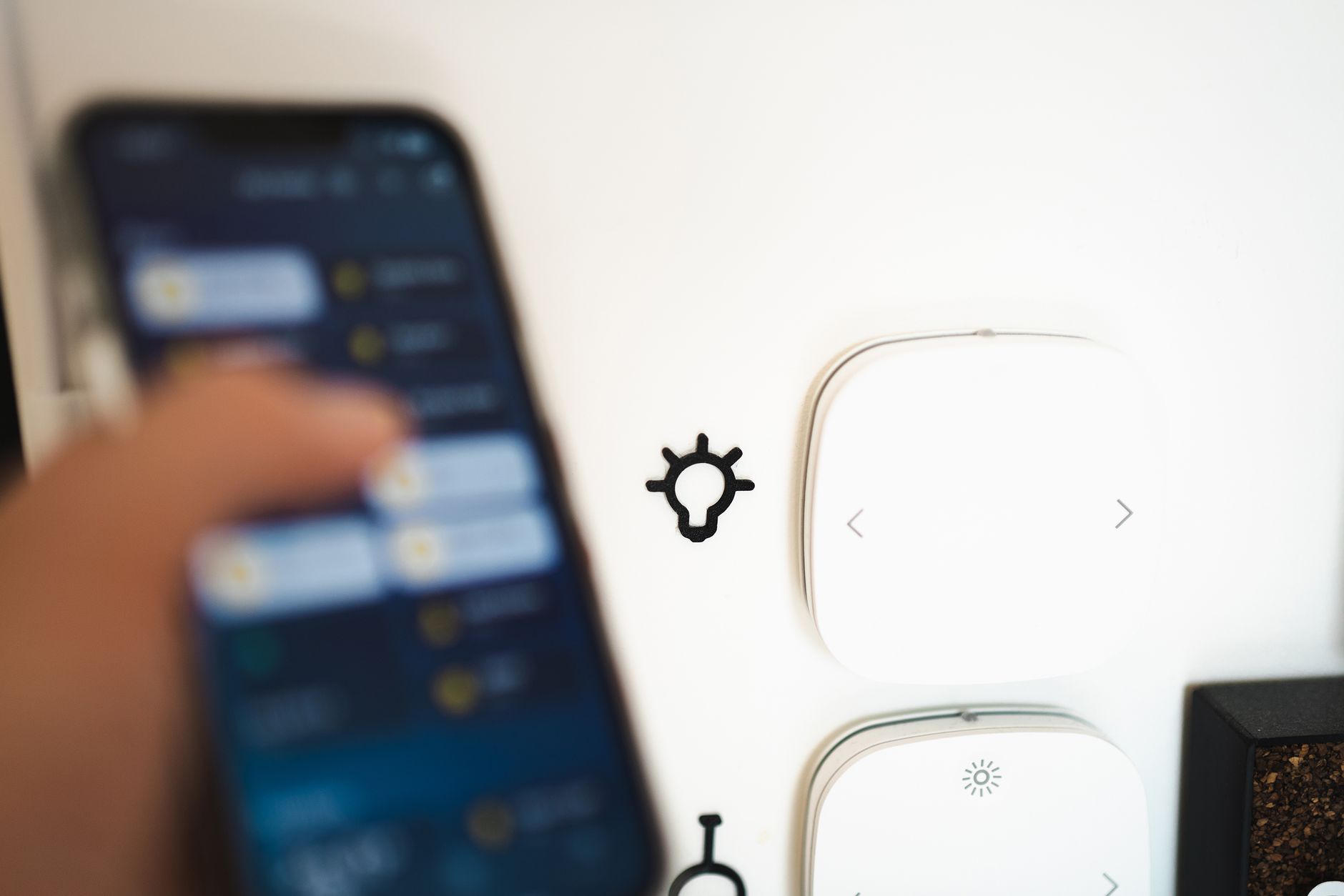
A smart home integrates internet-connected devices that can be controlled remotely through smartphones, tablets, or voice commands. These devices communicate with each other through a central hub or cloud-based platform, creating an interconnected ecosystem that responds to your needs and preferences.
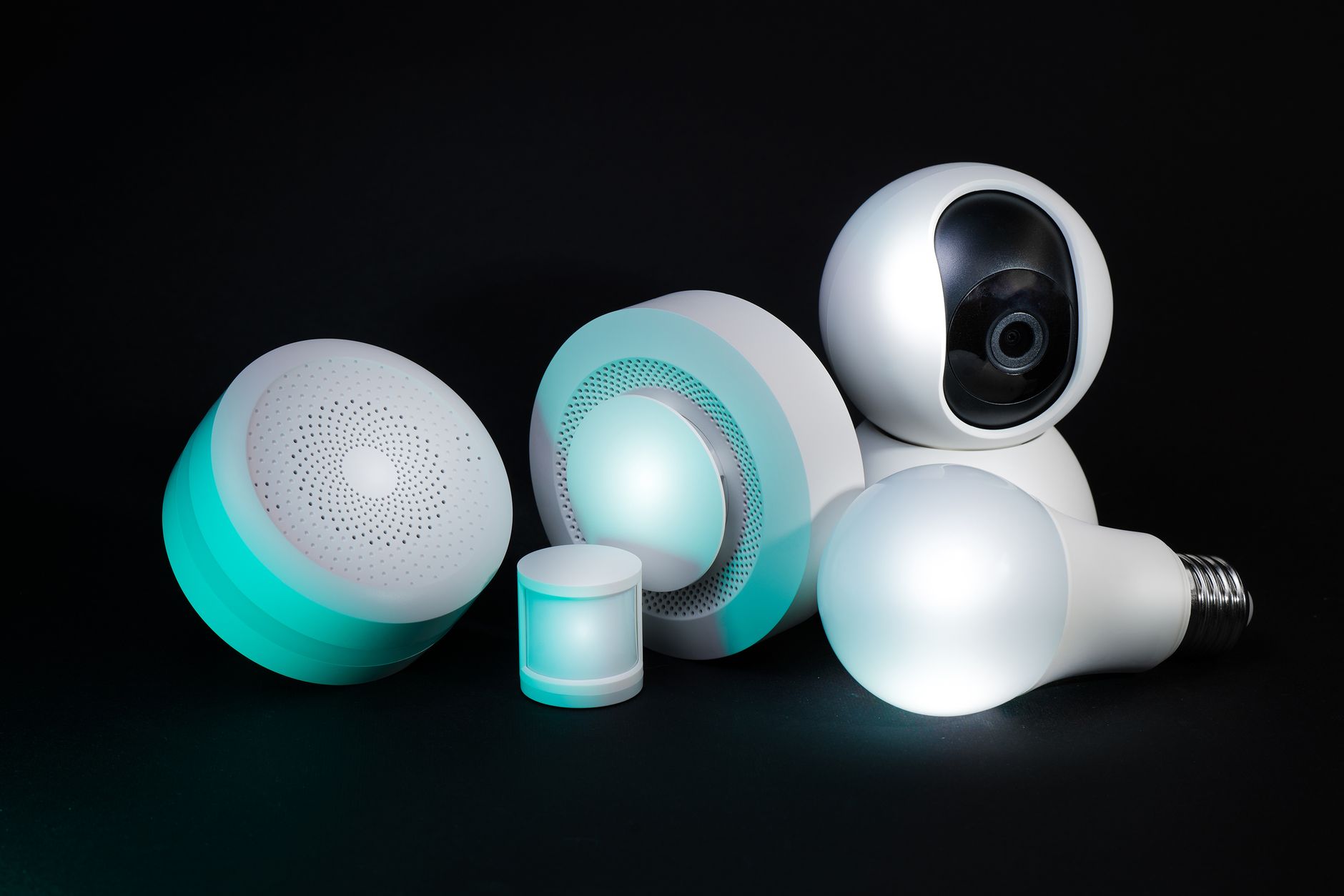
The key components of a smart home typically include intelligent lighting systems, smart thermostats and climate control, automated security cameras and door locks, voice-activated assistants, smart appliances, and energy monitoring systems. Together, these elements create a living environment that adapts to your lifestyle while optimizing comfort, security, and resource consumption.
Why Indian Consumers Are Embracing Smart Technology
Several factors are driving the adoption of smart home technology in India. The growing penetration of high-speed internet and affordable smartphones has made it easier for homeowners to control their devices remotely. Additionally, increasing awareness about energy conservation has prompted many to invest in systems that monitor and reduce electricity consumption.
Urban professionals, in particular, appreciate the convenience of controlling home functions while away at work. The ability to monitor security cameras, adjust air conditioning before arriving home, or receive alerts about unusual activity provides peace of mind in an increasingly busy world.
The COVID-19 pandemic accelerated this trend significantly, as people spending more time at home sought ways to enhance comfort and automate routine tasks. Contactless operation of lights, fans, and appliances also gained appeal from a hygiene perspective.
Popular Smart Home Solutions in India
The Indian market has witnessed an explosion of smart home products catering to different budgets and requirements. Smart lighting systems from brands like Philips Hue, Syska, and Wipro allow users to control brightness, color, and schedules through mobile apps. These systems can significantly reduce electricity bills while creating customized ambiance for different occasions.
Voice assistants like Amazon Alexa and Google Assistant have become household names, enabling hands-free control of compatible devices. Users can simply speak commands to play music, check weather, set reminders, or control connected appliances.
Smart security solutions including video doorbells, motion sensors, and IP cameras have gained tremendous popularity. These systems send real-time alerts to smartphones and allow homeowners to monitor their property from anywhere in the world. Many systems now incorporate artificial intelligence to distinguish between genuine threats and false alarms.
Climate control has also gone smart, with intelligent air conditioners and fans that can be scheduled, controlled remotely, and even learn usage patterns to optimize energy consumption. During scorching Indian summers, the ability to cool your home before arrival is particularly valued.
Cost Considerations and Return on Investment
While smart home technology was initially expensive, prices have dropped considerably, making it accessible to middle-class households. Basic smart devices like plugs, bulbs, and switches are available for as little as 500 to 2,000 rupees, allowing homeowners to start small and gradually expand their ecosystem.
The return on investment comes through reduced energy bills, enhanced security, increased property value, and improved quality of life. Smart thermostats and lighting systems can reduce electricity consumption by 20-30 percent, offering tangible savings over time. Insurance companies are also beginning to offer premium discounts for homes equipped with smart security systems.
Challenges and Considerations
Despite the benefits, smart home adoption in India faces certain challenges. Internet reliability remains a concern in some areas, as most smart devices require stable connectivity. Data privacy and cybersecurity are also important considerations, as these devices collect and transmit user information.
Compatibility between devices from different manufacturers can be problematic, making it essential to research ecosystem compatibility before purchasing. Technical support and after-sales service quality also vary significantly across brands.
The Road Ahead
The smart home market in India is projected to grow exponentially in coming years, driven by improving infrastructure, rising disposable incomes, and increasing tech-savviness among consumers. As 5G networks roll out and artificial intelligence advances, homes will become even more intuitive and responsive.
The future promises homes that anticipate needs, optimize resource usage automatically, and integrate seamlessly with other aspects of our digital lives. For Indian consumers willing to embrace this technology, the journey toward a smarter, more efficient home has never been more accessible or rewarding.