Indian households are on the cusp of a significant transformation as Tata Power, one of the country's largest integrated power companies, ventures deeper into the smart home segment with artificial intelligence and retrofit technologies. This move signals a shift from ground-up smart home construction to making existing homes intelligent—a more practical approach for the vast majority of Indian homeowners.
Understanding the Smart Home Retrofit Approach
Unlike traditional smart home setups that require extensive rewiring and infrastructure changes during construction, retrofit solutions allow homeowners to upgrade their existing homes with minimal disruption. This approach is particularly relevant for India, where the majority of the housing stock already exists and complete renovation isn't feasible for most families.
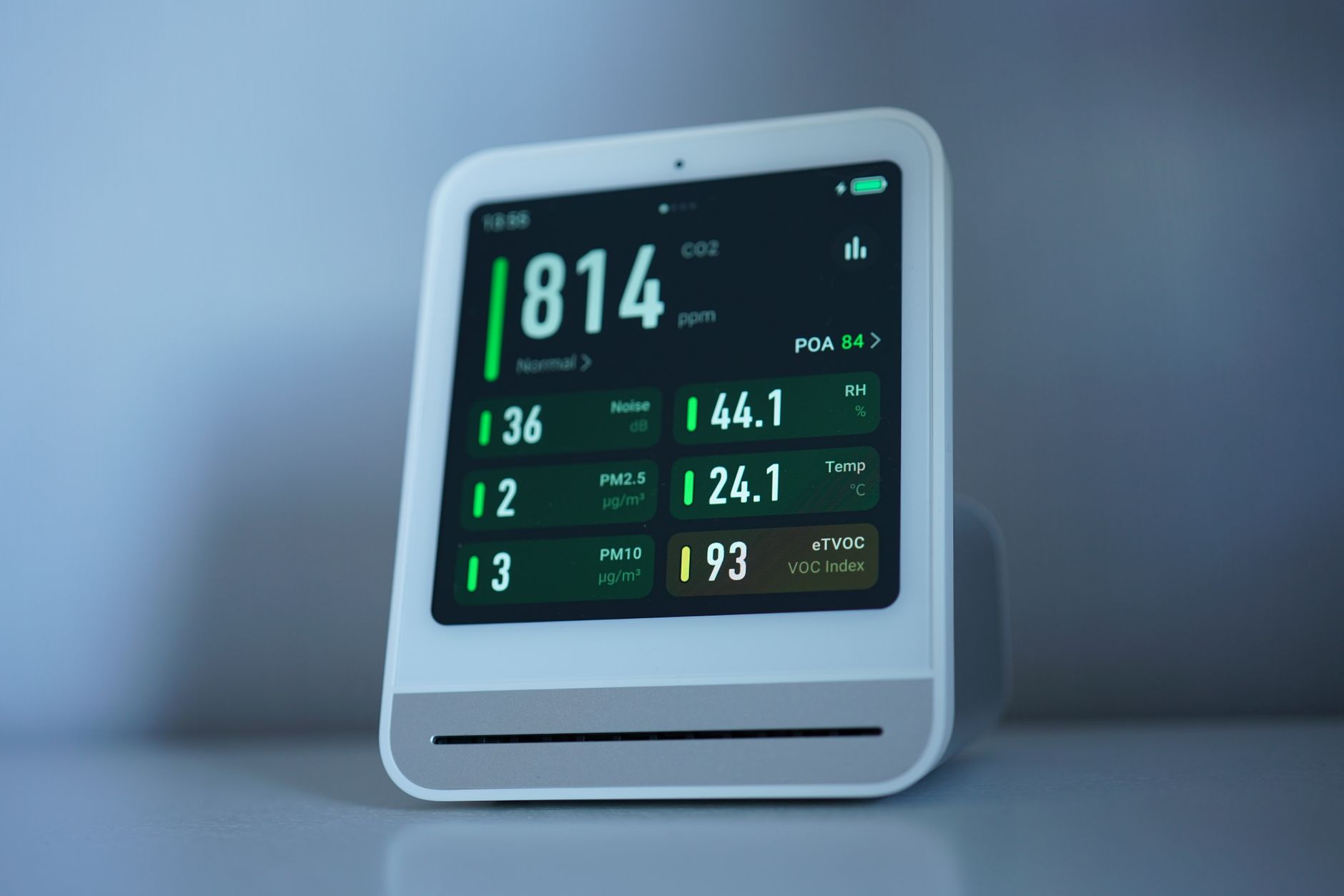
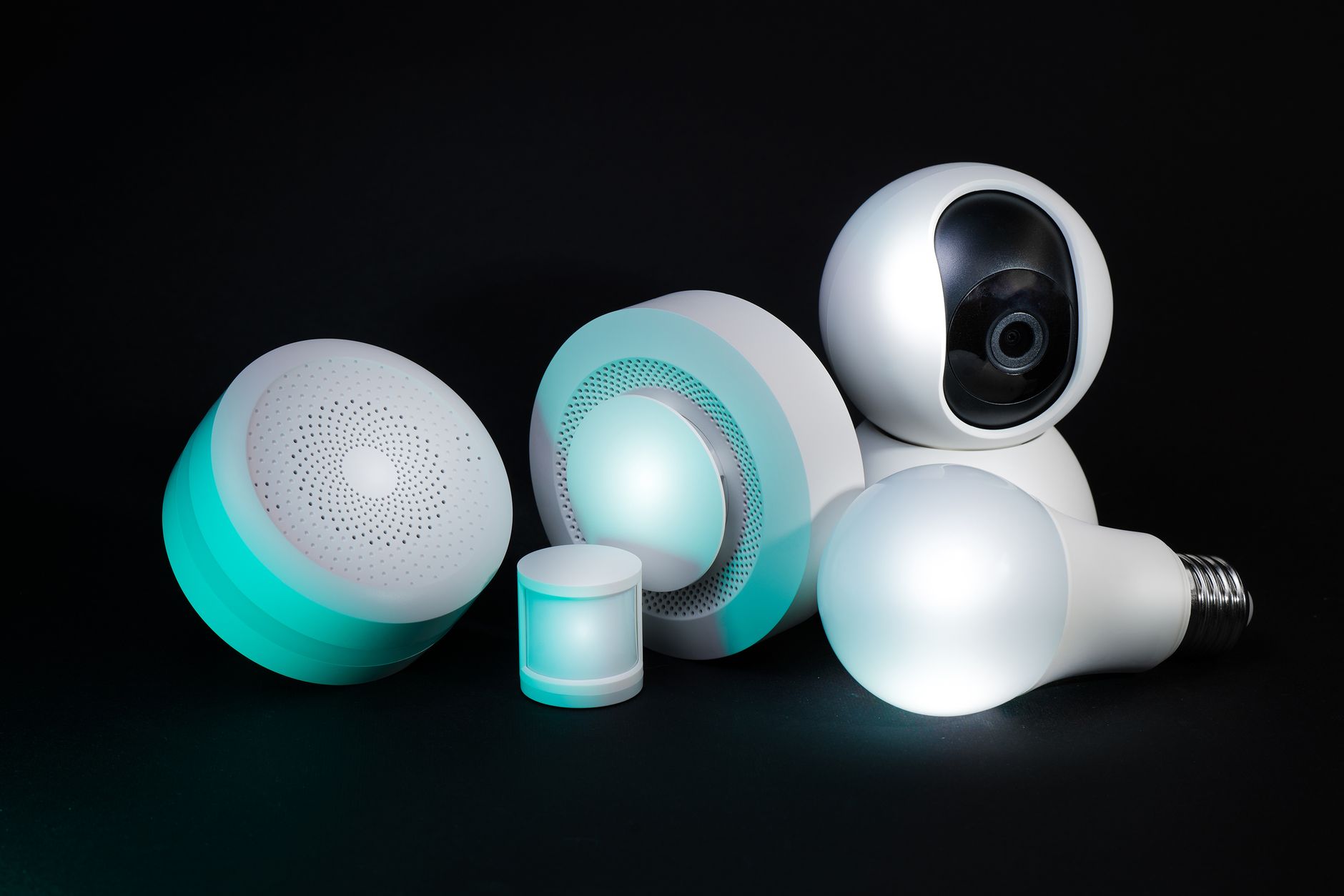
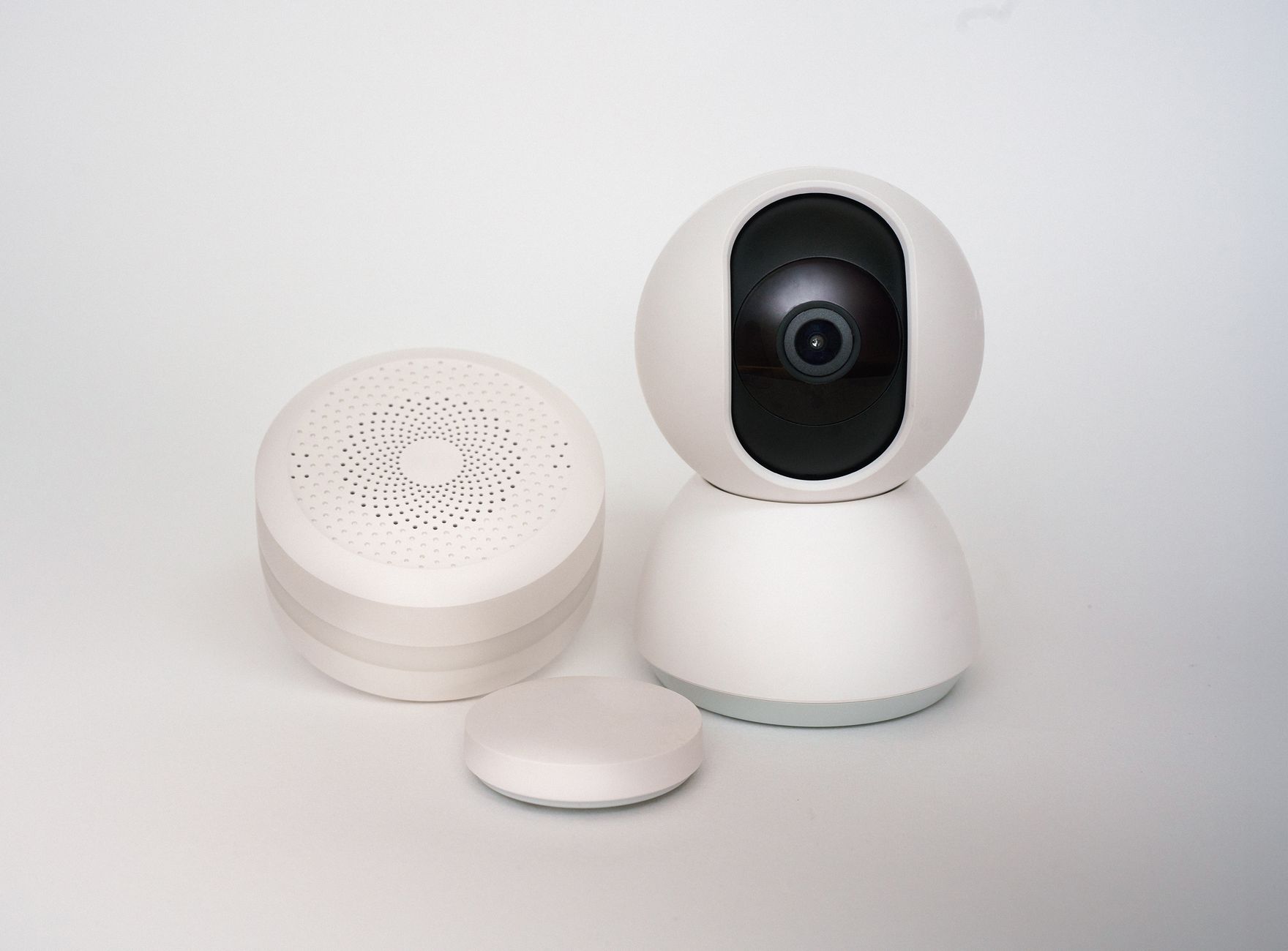
Retrofit solutions typically involve installing smart devices that work with existing electrical systems, such as intelligent switches, smart meters, connected appliances, and energy management systems. These can be added gradually, allowing homeowners to spread costs over time rather than making a significant upfront investment.
The Role of AI in Home Energy Management
Artificial intelligence brings a layer of intelligence that goes beyond simple automation. AI-powered systems can learn household patterns, predict energy consumption, and optimize usage automatically. For instance, an AI system might learn that your family typically arrives home at 7 PM and pre-cool the house using solar power stored during the day, avoiding expensive grid electricity during peak hours.
These systems can also identify unusual energy consumption patterns that might indicate faulty appliances or wastage, alerting homeowners before minor issues become expensive problems. For Indian households grappling with rising electricity costs, this predictive capability could translate into meaningful monthly savings.
Safety Enhancements Through Smart Technology
Beyond energy efficiency, smart home systems offer enhanced safety features particularly valuable for Indian families. These include:
- Real-time monitoring of electrical loads to prevent overheating and fire hazards
- Automatic circuit breaking when abnormal current flows are detected
- Remote control capabilities allowing homeowners to switch off appliances left running
- Integration with smoke detectors and water leak sensors
- Emergency alerts sent directly to smartphones during critical situations
For elderly parents living alone or working professionals who travel frequently, these safety features provide peace of mind that wasn't previously accessible without expensive security services.
Cost Considerations for Indian Households
The financial aspect of smart home adoption remains crucial for Indian consumers. While initial costs for basic retrofit solutions can range from ₹15,000 to ₹50,000 depending on the size and complexity of the installation, the long-term savings potential is significant.
Studies suggest that smart energy management systems can reduce household electricity bills by 15-30% through optimized usage and better monitoring. For an average Indian household spending ₹2,000-4,000 monthly on electricity, this could mean savings of ₹300-1,200 per month, allowing the investment to pay for itself within two to four years.
Additionally, many state electricity boards are introducing time-of-day tariffs where electricity costs vary based on demand. Smart systems can automatically shift heavy consumption to cheaper off-peak hours, maximizing savings.
Integration with Renewable Energy
One of the most compelling aspects of Tata Power's approach is the potential integration with rooftop solar installations. Smart home systems can optimize the use of self-generated solar power, storing excess energy in batteries and intelligently switching between solar, battery, and grid power based on availability and cost.
For homeowners with solar panels, AI can predict sunny days based on weather forecasts and adjust appliance usage accordingly, maximizing the use of free solar energy and minimizing grid dependence.
What to Expect in the Coming Years
As smart home technology becomes more affordable and user-friendly, we can expect several developments:
- Simplified installation processes requiring minimal technical expertise
- Better integration between devices from different manufacturers
- Voice-activated controls in multiple Indian languages
- Increased focus on data privacy and security
- Financing options making smart upgrades more accessible
- Integration with electric vehicle charging infrastructure
The move toward smarter homes represents more than just technological advancement; it's about making Indian households more efficient, safer, and better prepared for a future where energy resources require careful management. For homeowners considering this upgrade, starting with basic energy monitoring and gradually adding features based on specific needs offers a practical path forward.
This article is for general informational purposes only. Homeowners should conduct thorough research and consult with qualified professionals before making decisions about smart home installations and energy systems. Actual savings and benefits may vary based on individual usage patterns and local electricity tariffs.