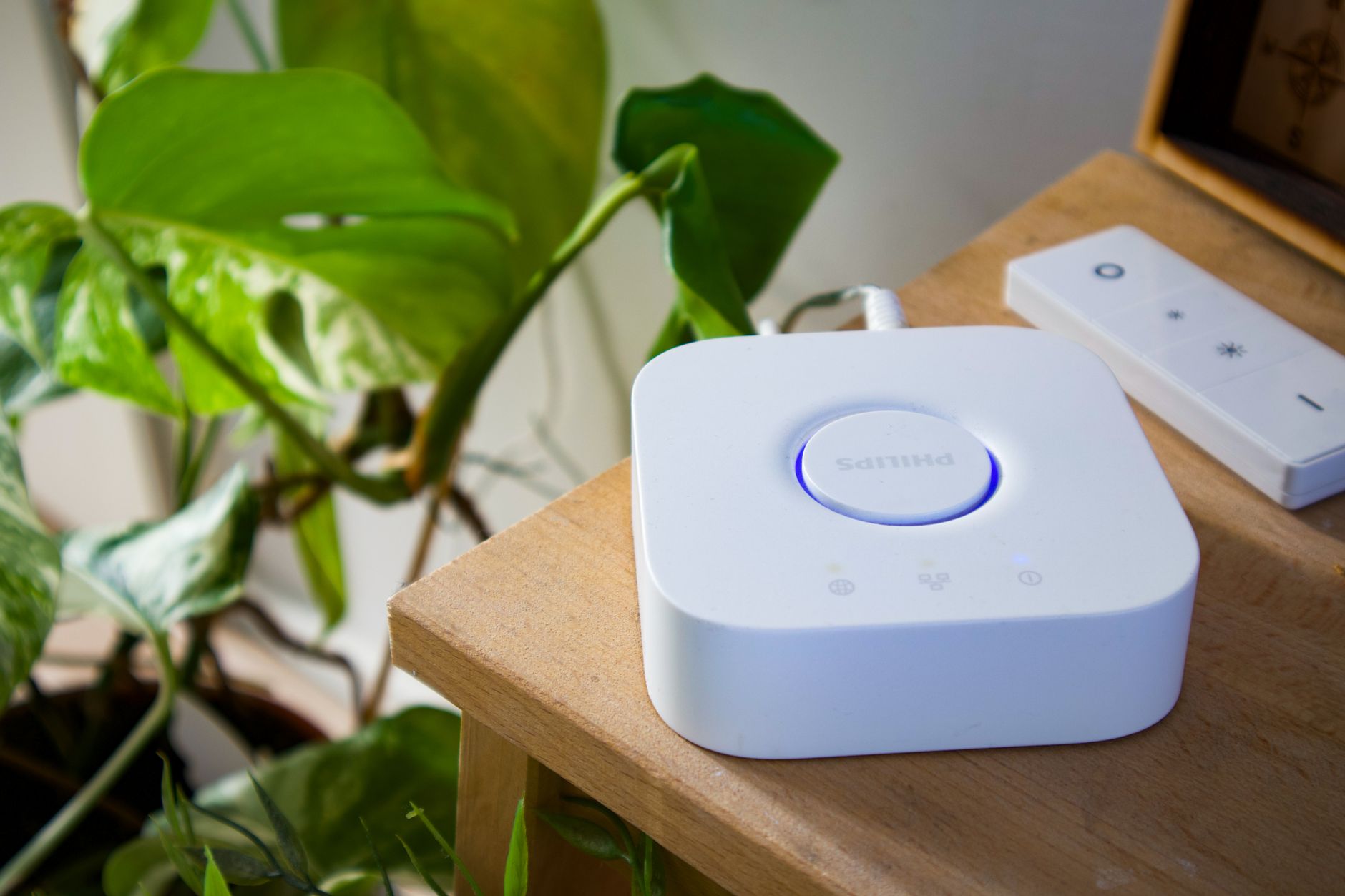
The concept of a "smart home" has evolved from science fiction fantasy to practical reality for millions of Indian families. As technology becomes more affordable and internet connectivity improves across the country, homes are transforming into intelligent ecosystems that respond to our needs, learn our preferences, and make daily life remarkably more convenient.
The Smart Home Revolution in India
India's smart home market has witnessed explosive growth over the past five years, with industry estimates suggesting a compound annual growth rate exceeding 30 percent. This surge is driven by several factors: increasing disposable incomes among urban middle-class families, greater awareness of energy conservation, and the proliferation of affordable smart devices from both international and domestic manufacturers.
What makes this revolution particularly significant for Indian households is how technology is being adapted to address local needs and challenges, from managing power fluctuations to optimising air conditioning usage during extreme summers.
Core Technologies Transforming Homes
Voice-Activated Assistants
Smart speakers powered by Amazon Alexa, Google Assistant, and homegrown alternatives have become the command centres of modern homes. Indian families are using voice commands to control lights, set reminders, play music, and even order groceries in multiple Indian languages. The ability to communicate in Hindi, Tamil, Bengali, and other regional languages has dramatically increased adoption rates.
Intelligent Lighting Systems
Smart bulbs and lighting systems allow homeowners to control brightness, colour temperature, and ambiance through smartphone apps or voice commands. Beyond convenience, these systems contribute to energy savings by automatically adjusting based on natural light availability and room occupancy. Some advanced systems can simulate occupancy when families are away, enhancing security.
Climate Control and Energy Management
Smart thermostats and air conditioning controllers have become particularly valuable in India's diverse climate zones. These devices learn family routines, adjust temperatures automatically, and can be controlled remotely. During peak summer months in cities like Delhi or Chennai, the ability to pre-cool homes before arrival while minimising energy waste represents both comfort and cost savings.
Smart energy meters and monitoring systems help families track electricity consumption in real-time, identifying energy-hungry appliances and optimising usage patterns to reduce monthly bills.
Security and Surveillance
Video doorbells, smart locks, and comprehensive security camera systems have redefined home security. Homeowners can monitor their properties from anywhere, receive instant alerts about unusual activity, and grant temporary access to domestic help or delivery personnel without physical keys. Motion sensors and smart alarms create layered security that's particularly reassuring for nuclear families and working couples.
Kitchen and Appliance Automation
The Indian kitchen is experiencing its own technological renaissance. Smart refrigerators can track inventory and suggest recipes based on available ingredients. Programmable cookers and instant pots can be scheduled remotely, allowing parents to start dinner preparation while commuting home. Smart water purifiers monitor filter life and water quality, sending maintenance alerts to ensure family health.
Integration and Ecosystem Benefits
The true power of smart home technology emerges when devices work together seamlessly. A morning routine might involve your alarm triggering the coffee maker, gradually increasing bedroom lighting, and displaying the day's weather forecast and calendar appointments. Similarly, a "goodnight" command can lock all doors, switch off lights throughout the house, adjust thermostat settings, and arm security systems.
This integration is facilitated by platforms like Google Home, Amazon Echo, and Apple HomeKit, along with Indian startups developing localised solutions that understand the unique requirements of Indian homes.
Challenges and Considerations
Despite rapid adoption, smart home technology faces certain challenges in India. Internet connectivity remains inconsistent in some areas, potentially disrupting device functionality. Privacy concerns about data collection by smart devices require careful consideration of which brands and ecosystems to trust. Additionally, the initial investment, while decreasing, still represents a significant expense for many families.
Compatibility issues between devices from different manufacturers can frustrate users, making it important to research ecosystem compatibility before purchasing multiple smart devices.
The Road Ahead
As 5G networks expand across India and artificial intelligence becomes more sophisticated, homes will become increasingly predictive and autonomous. Future homes might automatically adjust settings based on health metrics, environmental conditions, and learned preferences without explicit commands.
The smart home revolution is not merely about gadgets and convenience—it represents a fundamental shift toward more sustainable, secure, and comfortable living spaces that adapt to the evolving needs of modern Indian families.