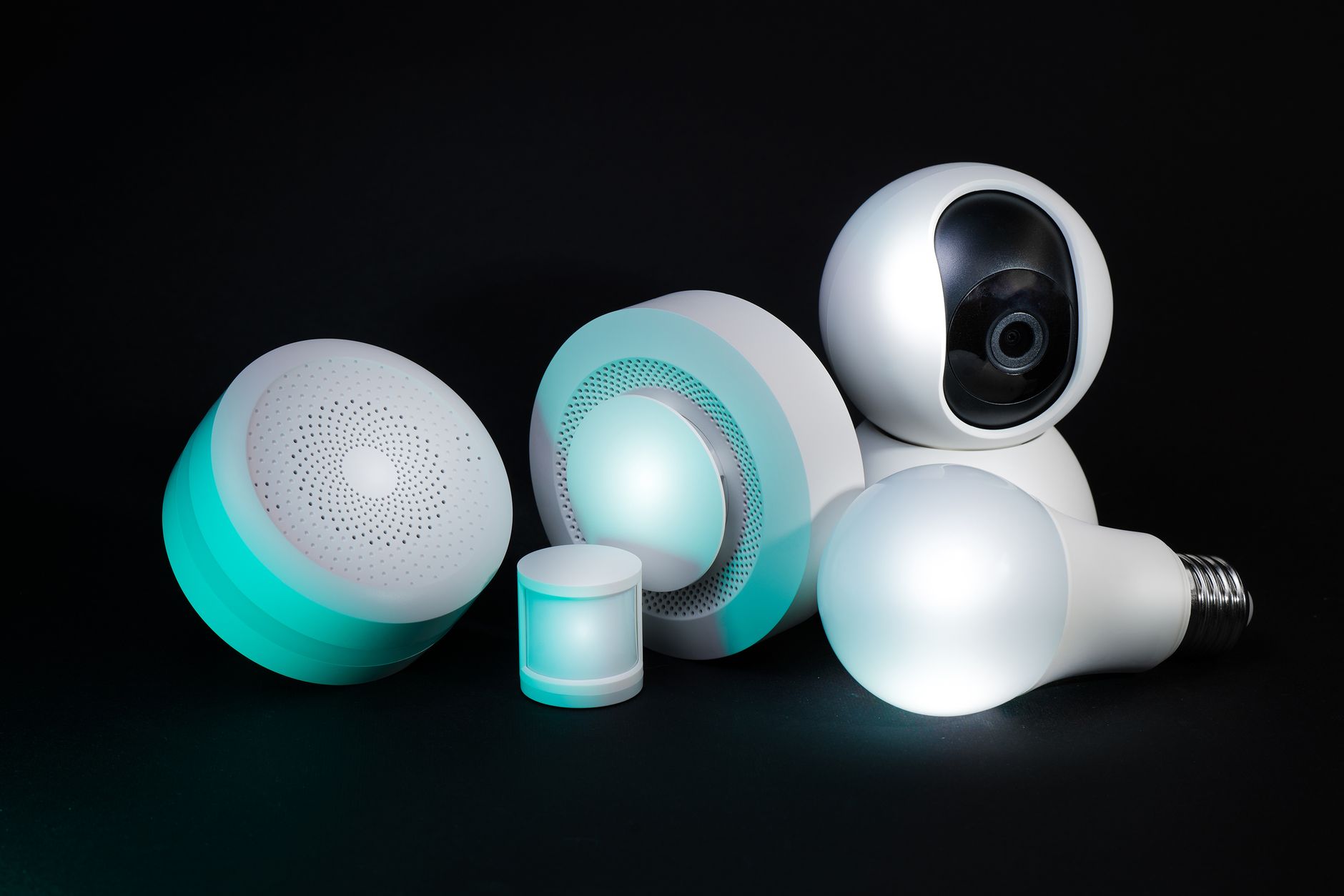
The smart home revolution is no longer a distant future concept—it's happening now, and the Asia Pacific region is emerging as the fastest-growing market globally for connected home technologies. As urbanization accelerates and middle-class incomes rise across the region, Indian households are increasingly embracing everything from voice-controlled assistants to automated security systems.
Why Asia Pacific Is Leading the Smart Home Boom
The Asia Pacific region is experiencing a perfect storm of conditions favorable to smart home adoption. Rapid urban development, particularly in countries like India, China, and Southeast Asian nations, has created millions of new households seeking modern conveniences. Young, tech-savvy populations are driving demand for connected devices, while improving internet infrastructure—especially the rollout of 5G networks—makes seamless smart home integration increasingly feasible.
India specifically presents enormous potential. With a growing middle class expected to reach 580 million people by 2030, disposable incomes are rising alongside aspirations for modern living standards. Indian consumers are no longer viewing smart home devices as luxury items but as practical solutions to everyday challenges like energy management, security, and convenience.
Key Product Categories Driving Growth
The smart home market encompasses several distinct categories, each experiencing robust growth:
- Smart speakers and voice assistants, led by products like Amazon Echo and Google Home, serving as central control hubs
- Smart lighting systems that allow remote control and energy optimization
- Connected security cameras, video doorbells, and smart locks addressing safety concerns
- Smart thermostats and air conditioning controllers for climate management
- Automated curtains, fans, and appliances controlled via smartphone apps
- Energy monitoring systems helping households reduce electricity consumption
In India, security devices and energy management solutions are particularly popular given concerns about home safety and rising electricity costs. The ability to monitor home security remotely or reduce air conditioning expenses through automated scheduling resonates strongly with Indian consumers.
The Technology Enablers
Several technological advances are making smart homes more accessible and functional. The proliferation of affordable smartphones means most Indian households now have the primary interface needed to control smart devices. Improved Wi-Fi router technology ensures reliable connectivity throughout homes, while voice assistants have made smart home control accessible even to those less comfortable with smartphone apps.
Cloud computing platforms enable device manufacturers to offer sophisticated features without requiring expensive hardware in each device. Meanwhile, the development of unified standards like Matter—supported by Apple, Google, Amazon, and Samsung—promises to make different brands' devices work together seamlessly, addressing a major consumer pain point.
Affordability and Market Expansion
Price points have dropped dramatically over the past five years. Smart bulbs that once cost several thousand rupees now retail for under 500 rupees. Basic smart speakers are available for under 2,000 rupees during sales, while comprehensive security camera systems can be installed for 10,000-15,000 rupees.
This affordability transformation is bringing smart home technology within reach of India's vast middle market, not just affluent early adopters. E-commerce platforms and aggressive marketing by both international and domestic brands have increased awareness and accessibility across tier-2 and tier-3 cities.
Challenges and Considerations
Despite the optimistic growth projections, several challenges remain. Privacy concerns about always-listening microphones and internet-connected cameras continue to deter some consumers. The fragmentation of platforms and ecosystems can confuse buyers uncertain whether devices from different manufacturers will work together.
Installation complexity poses another barrier, particularly for older homes not designed with smart technology in mind. Inconsistent internet connectivity in some areas can undermine the reliability of cloud-dependent devices. Additionally, the lack of local customer support for some international brands creates reluctance among consumers worried about after-sales service.
What This Means for Indian Homeowners
For Indian consumers considering smart home investments, the expanding market means more choices, better prices, and improved product quality. Starting small with a smart speaker or a few smart bulbs allows households to experience benefits without major upfront investment. As the ecosystem matures through 2030, expect increasingly sophisticated integration between devices, better energy savings, and enhanced home security options.
The growth trajectory suggests that smart home features will increasingly become standard expectations rather than premium additions, particularly in new residential construction where developers are beginning to incorporate smart infrastructure from the planning stage.
This article is for general informational purposes only and does not constitute professional advice. Readers should research specific products and assess their individual needs before making purchase decisions.