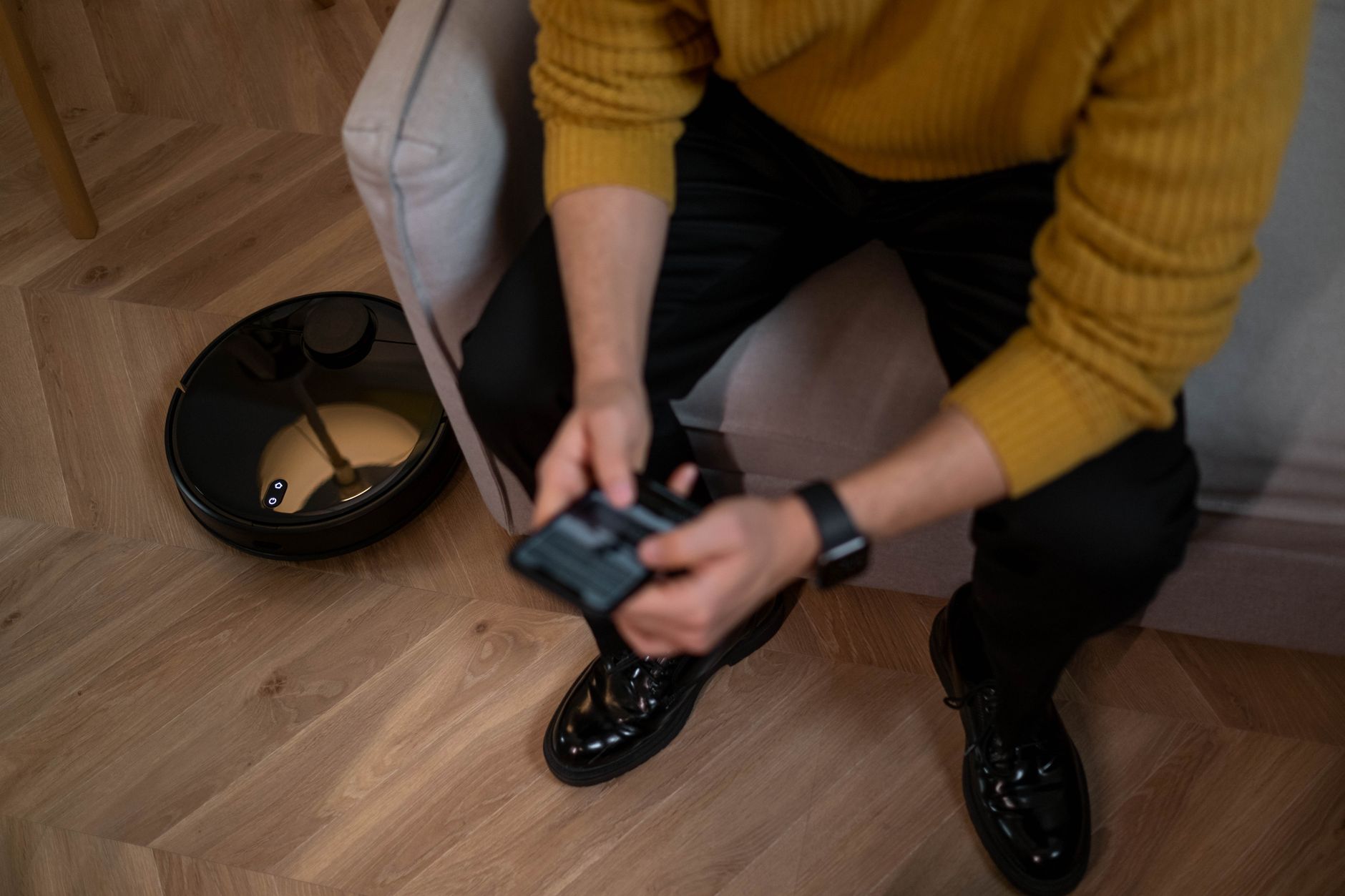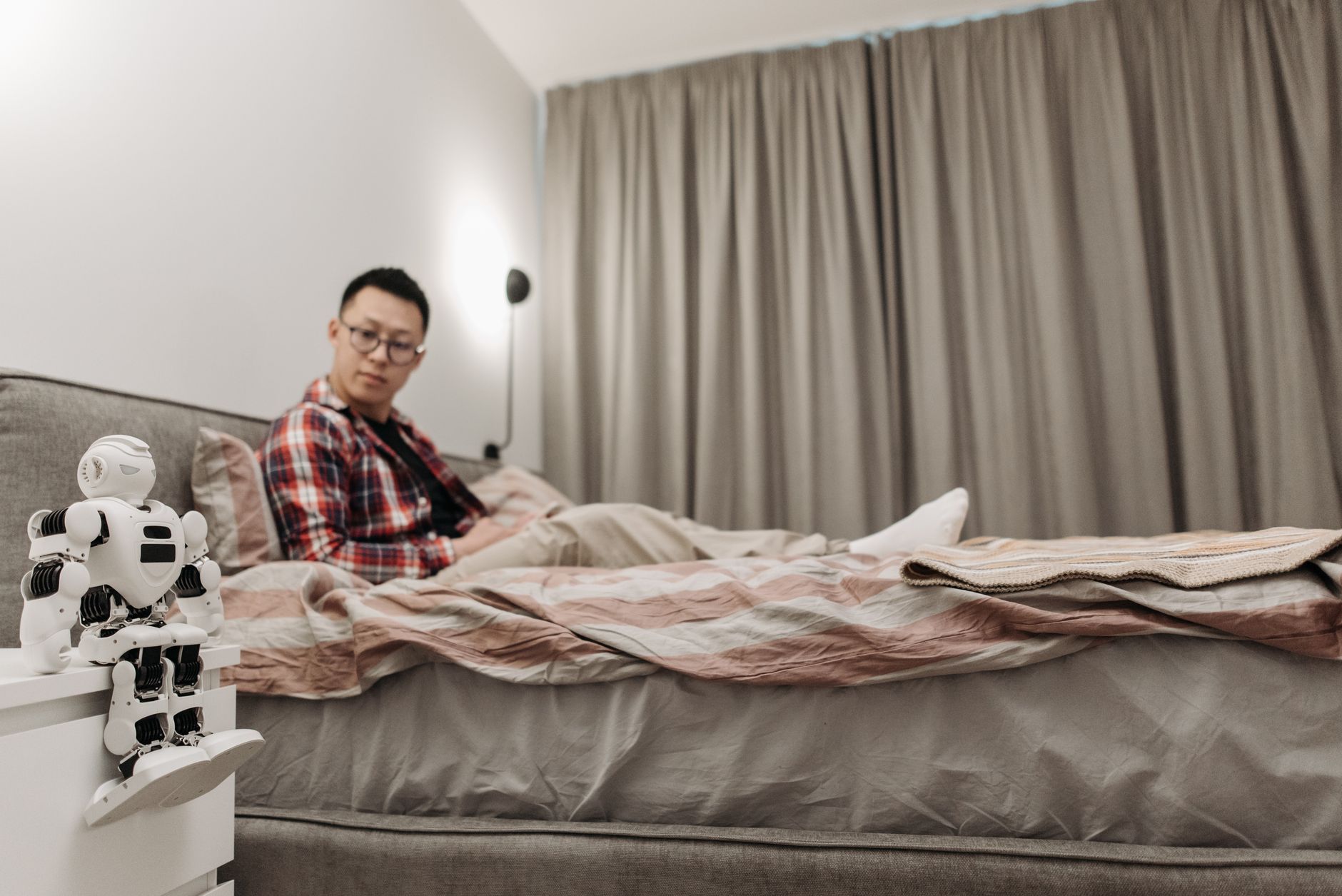
Home automation has evolved from a futuristic concept to an accessible reality for Indian households. As smart devices become more affordable and internet connectivity improves nationwide, millions of homeowners are discovering how automated systems can transform daily living into a seamless, efficient experience.
What is Home Automation?
Home automation refers to the use of internet-connected devices to control and monitor household systems remotely. These smart systems allow you to manage lighting, temperature, security, appliances, and entertainment through smartphones, tablets, voice assistants, or automated schedules. The technology relies on the Internet of Things (IoT), where devices communicate with each other and respond to user preferences or environmental conditions.
Unlike traditional homes where you manually operate switches and controls, automated homes learn your patterns and preferences. They can adjust settings automatically, alert you to unusual activity, and even help reduce energy consumption—all while making daily routines more convenient.
Enhanced Energy Efficiency and Cost Savings
One of the most compelling advantages of home automation is its impact on electricity bills. Smart thermostats learn your schedule and adjust air conditioning or heating accordingly, ensuring you're not cooling an empty house during work hours. Automated lighting systems turn off lights in unoccupied rooms, while smart plugs can cut phantom power drain from devices on standby.
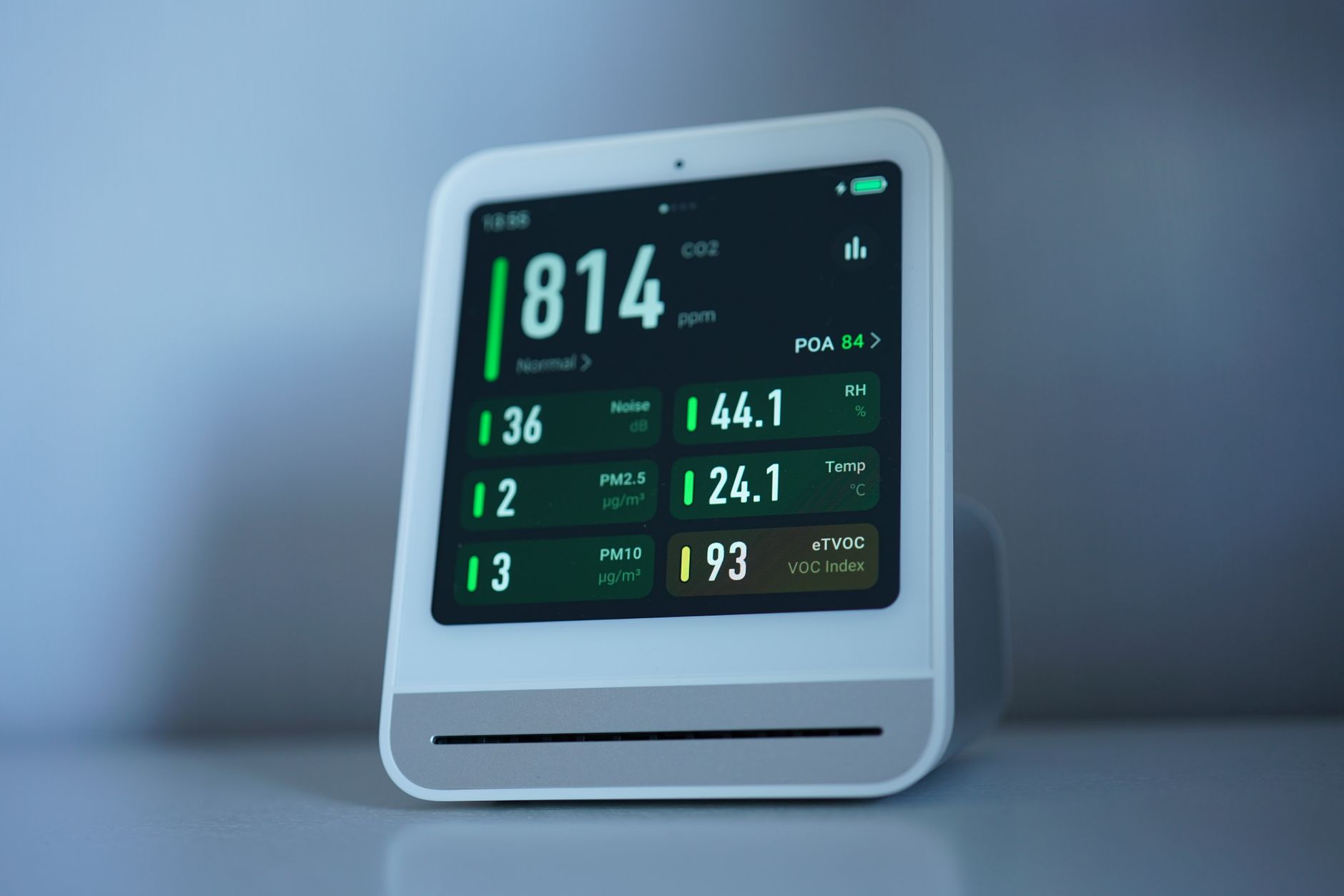
Indian households can see substantial savings, especially during peak summer months when air conditioning costs soar. Smart energy monitors provide real-time consumption data, helping you identify which appliances consume the most power. Some systems can even shift heavy electricity use to off-peak hours when rates are lower, optimising your energy expenditure throughout the day.
Superior Security and Peace of Mind
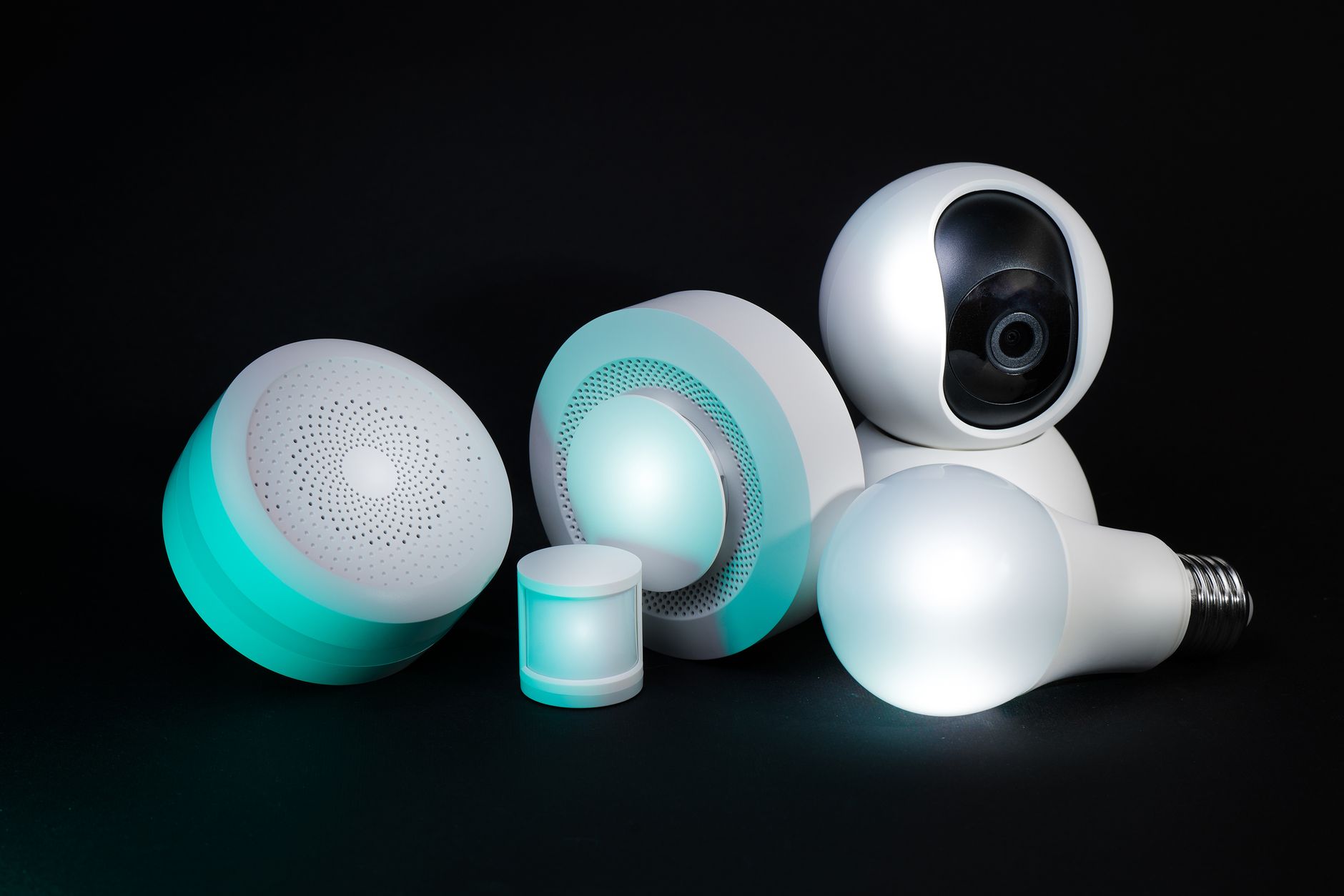
Home automation has redefined residential security in India, where concerns about break-ins and unauthorised access remain significant. Smart doorbell cameras let you see and speak with visitors remotely, even when you're at the office or travelling abroad. Motion sensors trigger alerts on your phone if unusual activity is detected around your property.
Smart locks eliminate the anxiety of lost keys or forgetting whether you locked the door. You can grant temporary access to domestic help, delivery personnel, or guests without physical keys, and monitor who enters and exits your home in real-time. Integration with lighting systems can simulate occupancy when you're away, deterring potential intruders by making your home appear lived-in.
Personalised Comfort and Convenience
Modern home automation systems adapt to your lifestyle rather than forcing you to adapt to technology. Voice assistants like Amazon Alexa or Google Assistant respond to simple commands in multiple Indian languages, making the technology accessible across age groups and tech-savviness levels.
Imagine arriving home to perfectly cooled rooms, your favourite playlist already playing, and curtains automatically drawn—all triggered by your phone's GPS location. Morning routines become effortless when your coffee maker starts brewing as your alarm goes off, while smart mirrors display weather forecasts and traffic updates as you prepare for the day. These personalised scenarios create a living environment that genuinely responds to your needs.
Improved Accessibility for Elderly and Differently-Abled
For India's growing elderly population and differently-abled individuals, home automation represents independence and safety. Voice-controlled systems eliminate the need to physically reach switches or controls. Automated medication reminders ensure health routines are maintained, while fall detection sensors can alert family members or emergency services immediately if someone needs help.
Smart homes can be programmed to accommodate mobility challenges—automatically opening doors, adjusting bed positions, or turning on pathway lighting during nighttime bathroom visits. This technology allows seniors to age in place comfortably rather than requiring assisted living facilities, a particularly important consideration in Indian culture where multi-generational homes are common.
Seamless Integration and Ecosystem Management
Modern home automation platforms create unified ecosystems where all devices work together harmoniously. Your security camera can trigger porch lights when motion is detected. Your smart speaker can control your television, adjust room temperature, and lock doors through a single voice command.
This integration extends beyond individual homes. Apartment complexes increasingly offer smart common areas with automated lighting in corridors, app-based visitor management, and centralised security monitoring. The result is a comprehensive living experience where technology simplifies rather than complicates daily life, making homes truly intelligent spaces that anticipate and respond to resident needs.