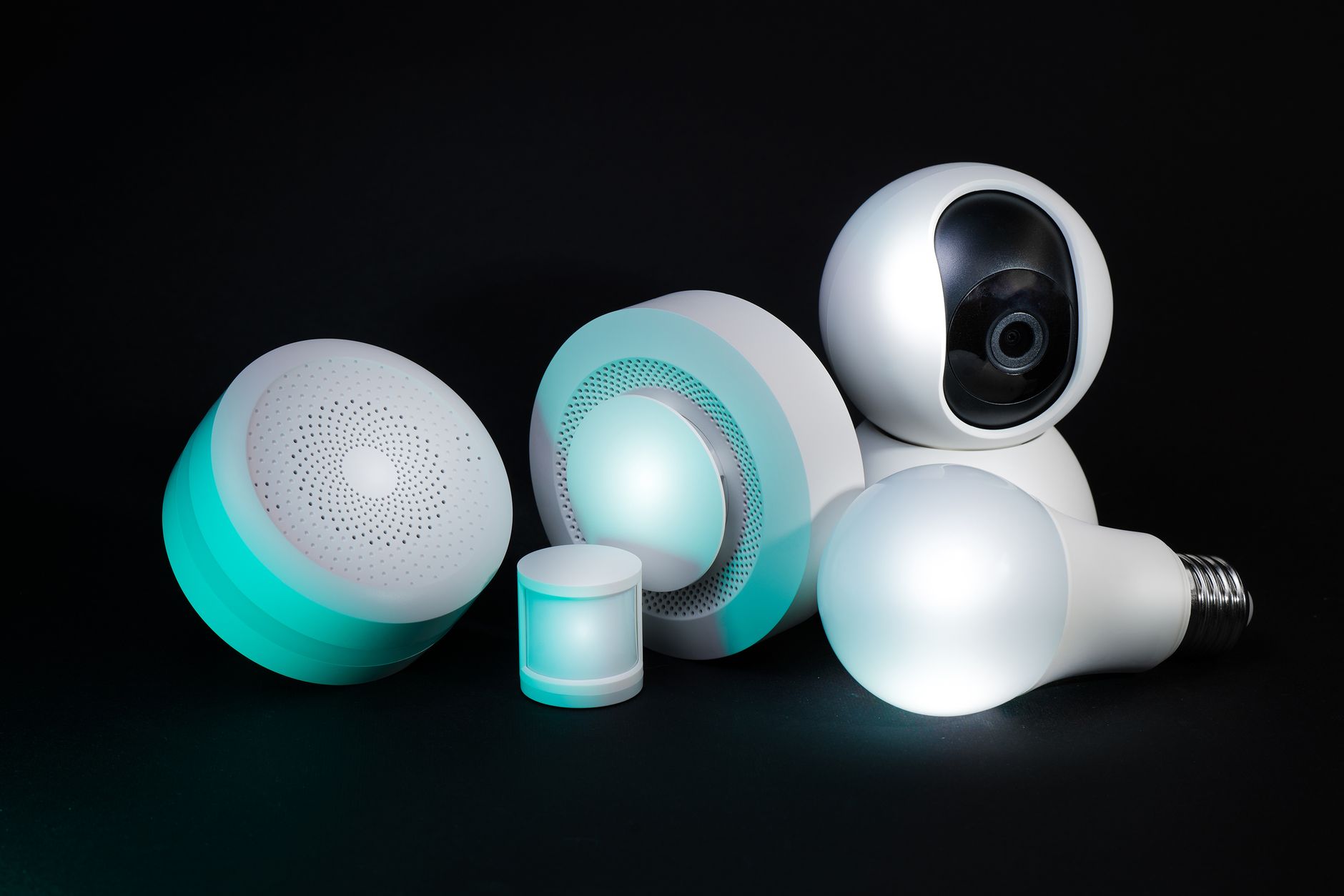
The Indian smart home market is experiencing remarkable growth as more households integrate connected devices into their daily routines. From voice-activated assistants to automated lighting systems, technology is transforming how Indians interact with their living spaces.
The Rising Popularity of Smart Homes in India
Smart home adoption in India has accelerated significantly over the past few years. What was once considered a luxury reserved for tech enthusiasts has become increasingly accessible to middle-class families. The proliferation of affordable smart devices, coupled with widespread internet penetration and competitive pricing from both domestic and international manufacturers, has democratized access to home automation technology.
Urban centers like Mumbai, Bangalore, Delhi, and Hyderabad are leading this transformation, with apartment complexes and new housing projects incorporating smart features as standard amenities. However, adoption is no longer limited to metro cities, as tier-2 and tier-3 cities are also witnessing growing interest in connected home solutions.
Popular Smart Home Devices in Indian Households
Several categories of smart devices have gained particular traction in the Indian market:
- Smart speakers and voice assistants that control other connected devices and provide information on demand
- Intelligent lighting systems that can be controlled remotely and programmed for energy efficiency
- Smart security cameras and video doorbells that enhance home safety
- Automated climate control systems including smart air conditioners and fans
- Connected water heaters and geysers that optimize energy consumption
- Smart locks and access control systems for enhanced security
- Robotic vacuum cleaners that automate household cleaning tasks
Factors Driving Smart Home Adoption
Multiple factors contribute to the growing embrace of smart home technology in India. Energy efficiency stands out as a major motivator, with rising electricity costs prompting homeowners to seek solutions that reduce consumption. Smart thermostats and lighting systems can significantly lower utility bills while maintaining comfort levels.
Convenience plays an equally important role. The ability to control home devices remotely through smartphone apps appeals to busy professionals and families. Parents particularly appreciate features like remote monitoring of children and elderly family members, while working professionals value the ability to manage their homes while away.
Enhanced security concerns have also driven adoption. Smart security systems with real-time alerts and remote video monitoring provide peace of mind, especially for families where all members work outside the home during the day.
Challenges and Considerations
Despite growing popularity, smart home adoption faces certain hurdles in India. Privacy concerns regarding data collection and potential surveillance remain significant for many consumers. The complexity of setting up and maintaining multiple connected devices can be daunting for less tech-savvy users.
Interoperability between devices from different manufacturers continues to be an issue, though industry standards are gradually improving. Internet connectivity reliability, particularly in smaller towns, can affect the performance of smart home systems that depend on constant cloud connectivity.
Cost, while decreasing, remains a barrier for many households. While individual devices have become more affordable, outfitting an entire home with smart technology still represents a substantial investment.
The Role of Ecosystem Integration
Major technology companies have created ecosystems that allow various smart devices to work together seamlessly. These platforms enable users to create automated routines where multiple devices respond to specific triggers. For example, a "good morning" routine might automatically adjust lighting, start the coffee maker, and provide weather updates.
Integration with popular voice assistants has made controlling multiple devices more intuitive, reducing the need to manage separate apps for each product. This ecosystem approach has simplified smart home management and increased appeal among mainstream consumers.
Future Outlook
The Indian smart home market shows no signs of slowing down. Industry analysts predict continued growth as 5G networks expand, artificial intelligence becomes more sophisticated, and manufacturers develop products specifically tailored to Indian needs and preferences. Government initiatives promoting digital infrastructure and smart city development are likely to further accelerate adoption.
As technology becomes more affordable and user-friendly, smart homes may transition from an aspirational concept to a standard feature of modern Indian living, fundamentally changing how millions of families interact with their domestic spaces.