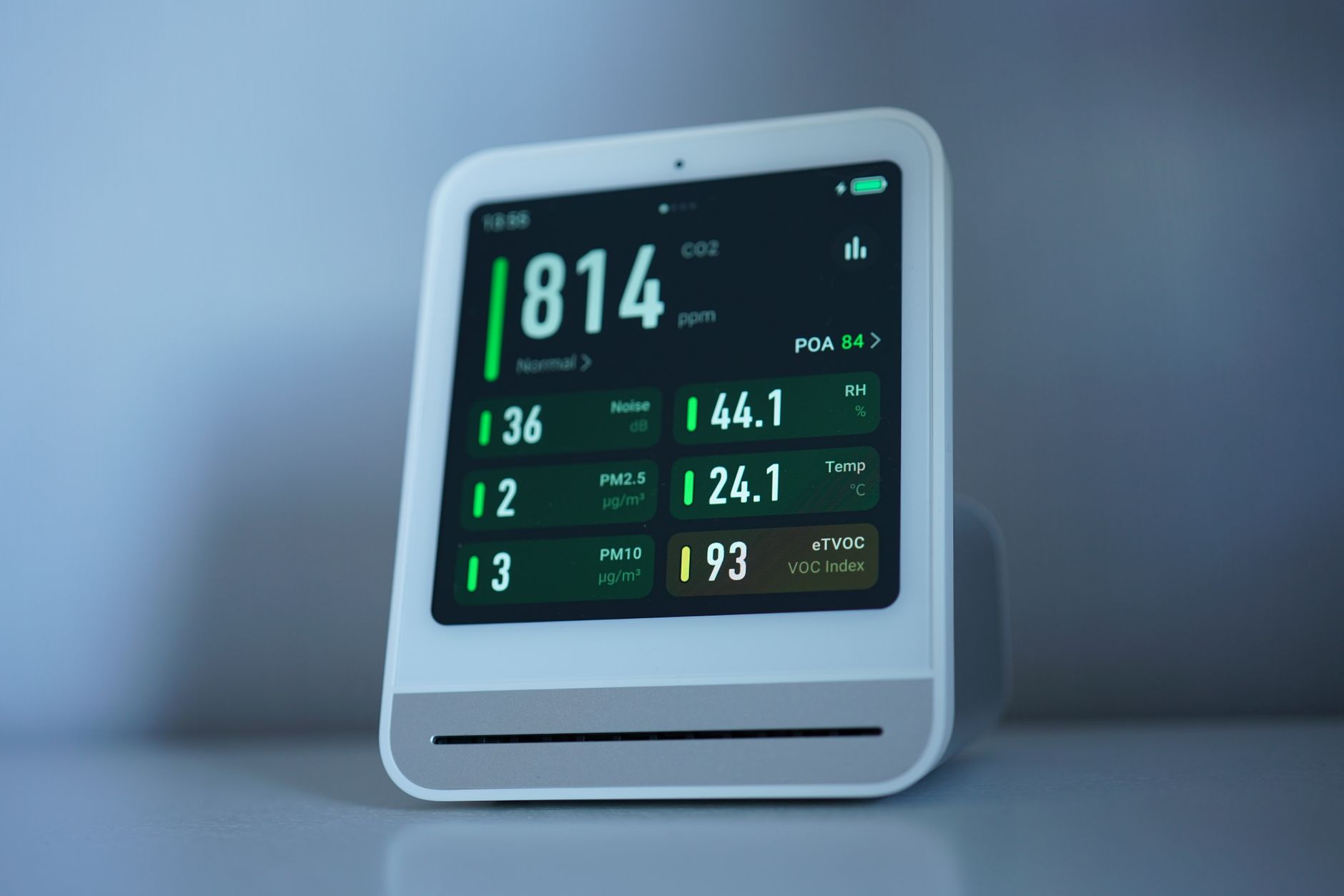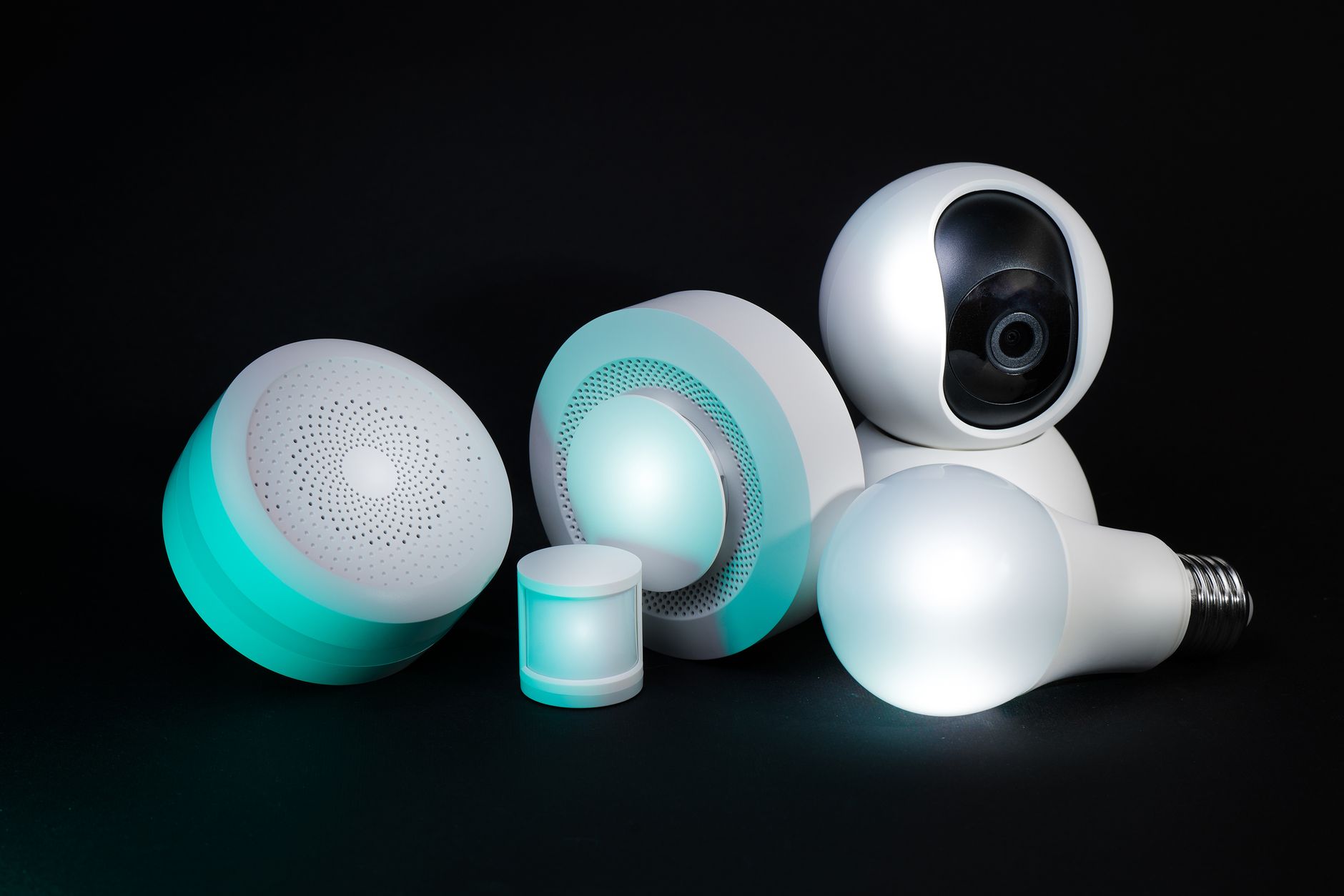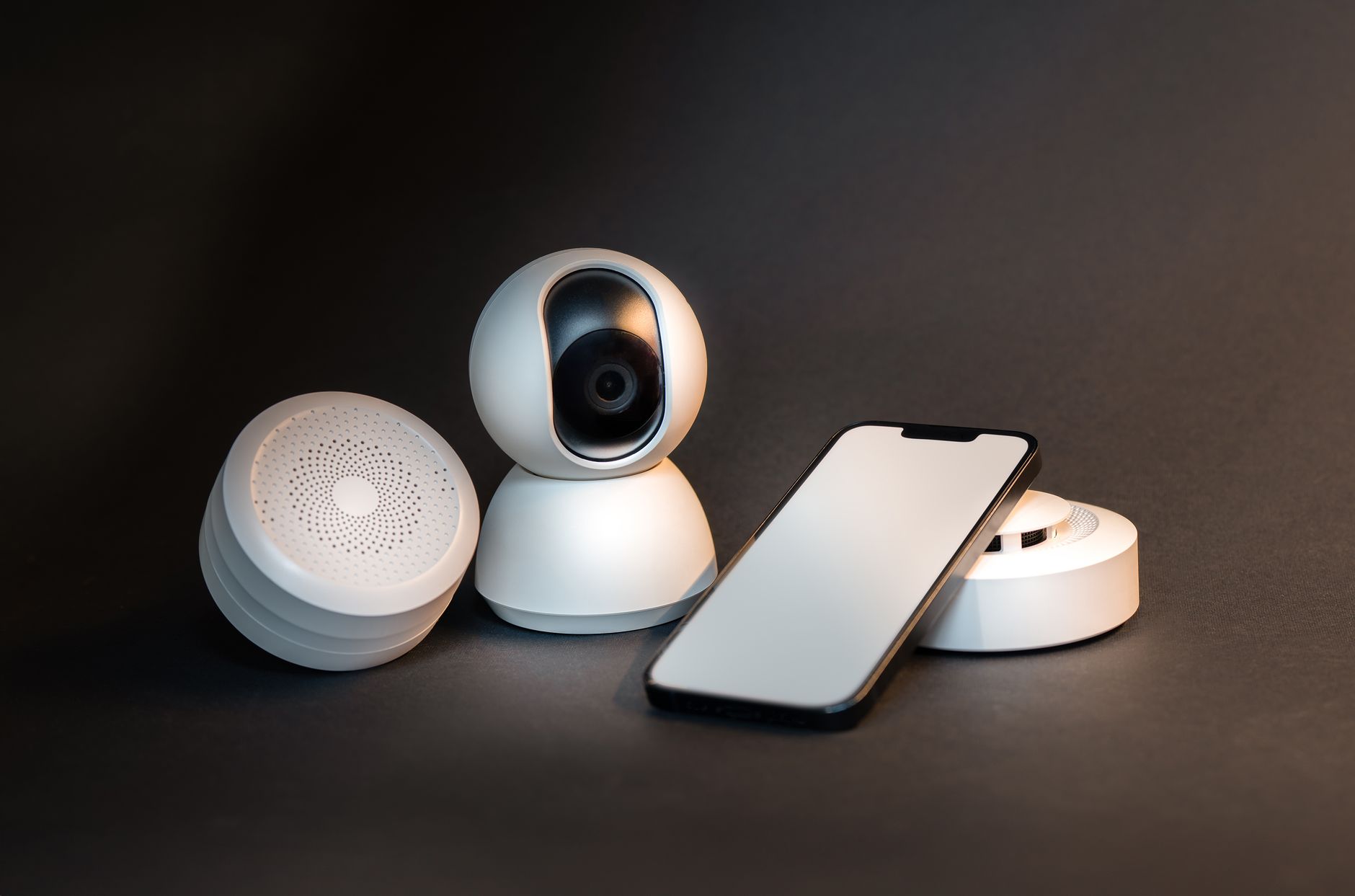
India's smart home industry is experiencing exponential growth, with market analysts projecting the sector to reach unprecedented valuations by 2027. Large-scale exhibitions dedicated to lighting and home technology are becoming crucial platforms where manufacturers, distributors, and consumers converge to explore the latest innovations transforming residential spaces across the country.
The Rising Smart Home Market in India
The Indian smart home ecosystem has matured significantly over the past few years, driven by increasing internet penetration, affordable smartphones, and a growing middle class with disposable income. Urban households are particularly enthusiastic about adopting connected devices that promise convenience, energy efficiency, and enhanced security. Industry exhibitions play a vital role in educating consumers about these technologies and demonstrating their practical applications in everyday life.
The integration of artificial intelligence and machine learning into home devices has made automation more intuitive and accessible. Voice-activated assistants, automated climate control, and intelligent lighting systems are no longer luxury items but increasingly common features in modern Indian homes.
Revolutionary Lighting Technologies
Smart lighting represents one of the most accessible entry points into home automation. Today's lighting solutions go far beyond simple remote control, incorporating features like circadian rhythm synchronization, mood-based colour adjustments, and energy consumption tracking.
LED technology continues to evolve, with manufacturers developing products that offer superior longevity while consuming minimal power. Smart bulbs can now communicate with other devices in the home ecosystem, automatically adjusting brightness based on natural light availability or turning off when rooms are unoccupied.
Human-centric lighting designs that mimic natural daylight patterns are gaining traction, particularly among health-conscious consumers. These systems adjust colour temperature throughout the day to support better sleep cycles and improved concentration during working hours.
Integrated Home Automation Systems
The most significant trend in home technology is the shift toward fully integrated ecosystems where different devices communicate seamlessly. Modern smart home platforms allow homeowners to control lighting, security cameras, door locks, appliances, and entertainment systems through a single interface.
Key features attracting Indian consumers include:
- Voice control through virtual assistants in multiple Indian languages
- Smartphone apps that enable remote monitoring and control from anywhere
- Automated routines that adjust multiple devices simultaneously based on time or triggers
- Energy monitoring dashboards that help reduce electricity bills
- Integration with renewable energy systems like rooftop solar panels
Security and Surveillance Innovations
Home security remains a primary driver for smart home adoption in India. Advanced surveillance systems now incorporate facial recognition, motion detection with AI-based filtering to reduce false alarms, and cloud storage for video footage. Smart doorbell cameras and automated door locks provide enhanced security while offering convenience for families.
Energy Efficiency and Sustainability
With rising electricity costs and growing environmental awareness, Indian consumers are increasingly interested in technologies that reduce energy consumption. Smart thermostats, although less common in India than in Western markets, are being adapted for local climate conditions. Automated window blinds, intelligent fan controllers, and power monitoring plugs help households optimize their energy usage.
Challenges and Opportunities
Despite growing enthusiasm, several challenges remain for widespread smart home adoption in India. Interoperability between devices from different manufacturers continues to be an issue, though industry-wide standards are gradually emerging. Internet connectivity reliability, particularly in tier-2 and tier-3 cities, affects the consistent performance of cloud-dependent devices.
Data privacy and security concerns also influence consumer decisions. As more devices collect information about household activities, manufacturers must prioritize robust cybersecurity measures and transparent data handling policies to build trust with Indian consumers.
The Exhibition Effect
Large-scale technology exhibitions serve multiple purposes in the Indian market. They provide hands-on experience with products that consumers might hesitate to purchase online. Live demonstrations help demystify complex technologies and showcase real-world applications. These events also facilitate business-to-business connections, helping dealers and installers stay current with emerging products and establish relationships with manufacturers.
For the industry, such exhibitions offer valuable insights into consumer preferences and market trends, informing product development strategies tailored to Indian requirements and price sensitivities.
The convergence of lighting, security, entertainment, and climate control into unified smart home platforms represents the future of residential living in India, making these industry showcases increasingly relevant for anyone interested in modernizing their living spaces.