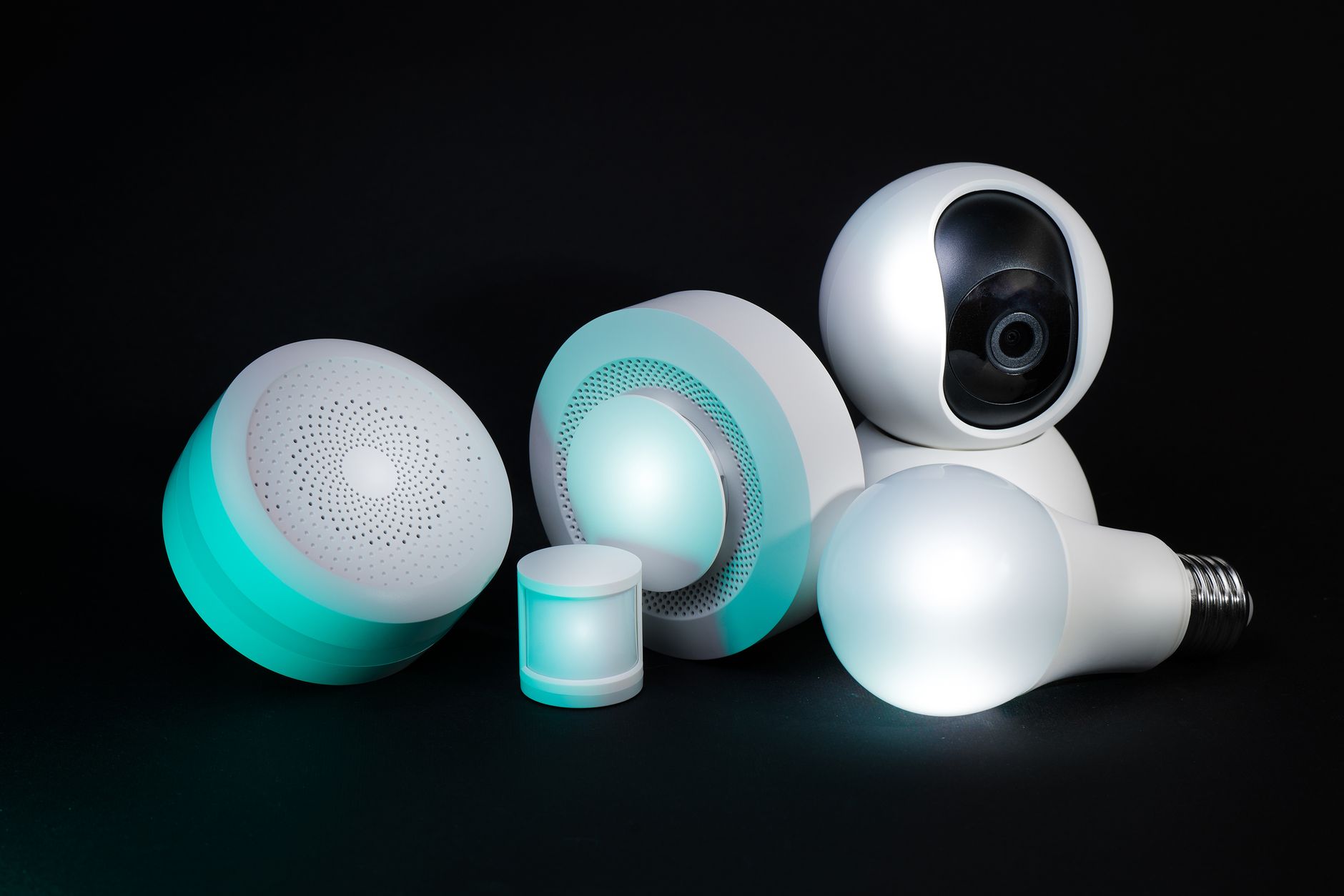
The smart home revolution is no longer a futuristic concept—it's happening right now, and the Asia-Pacific region is at the forefront of this transformation. As home automation systems become more affordable and accessible, millions of households across India, China, Southeast Asia, and Australia are embracing technology that makes daily living more convenient, secure, and energy-efficient.
What Is Driving the Smart Home Boom in Asia-Pacific
Several factors are converging to create the perfect environment for home automation growth in our region. Rising disposable incomes, particularly among the expanding middle class in India and China, mean more families can afford smart devices. Rapid urbanisation is pushing people into apartments and gated communities where integrated smart systems add significant value.
The widespread adoption of smartphones and high-speed internet has made it incredibly easy to control home devices remotely. Additionally, growing awareness about energy conservation and security concerns are motivating homeowners to invest in smart thermostats, lighting systems, and surveillance cameras.
Government initiatives promoting smart cities across India, including projects in Pune, Ahmedabad, and Bhubaneswar, are also accelerating adoption by creating the infrastructure needed for connected homes.
Popular Smart Home Technologies in Indian Markets
Indian consumers are showing strong interest in several categories of home automation products. Smart lighting systems that can be controlled via smartphone apps or voice commands are among the most popular entry points, as they're relatively affordable and easy to install.
Smart security systems, including video doorbells, motion sensors, and connected CCTV cameras, are seeing tremendous uptake due to safety concerns. Climate control devices like smart air conditioners and thermostats appeal to consumers looking to reduce electricity bills while maintaining comfort.
Voice assistants from Amazon, Google, and even home-grown alternatives are becoming household staples, serving as central hubs for controlling multiple devices. Smart plugs and switches are popular among first-time buyers because they can make existing appliances "smart" without requiring complete replacements.
Entertainment systems with streaming capabilities and multi-room audio are also gaining traction among affluent urban households.
Economic Benefits for Homeowners
Beyond convenience, smart home systems offer tangible financial benefits. Automated lighting and climate control can reduce energy consumption by 20-30%, translating to lower electricity bills—a significant consideration given rising power costs across India.
Smart security systems can potentially lower home insurance premiums, as insurers recognise that monitored homes face reduced burglary risks. Property values tend to increase when equipped with modern automation systems, making them attractive to future buyers.
Remote monitoring capabilities mean homeowners can catch maintenance issues early, preventing costly repairs. For example, smart water leak detectors can alert you to problems before they cause extensive damage.
Challenges and Considerations
Despite the promising growth, several challenges remain. The initial investment for comprehensive home automation can be substantial, though prices are gradually decreasing as competition increases. Compatibility issues between devices from different manufacturers can frustrate consumers, though industry standards are slowly improving.
Privacy and cybersecurity concerns are valid—connected devices can be vulnerable to hacking if not properly secured. Homeowners should ensure they use strong passwords, regularly update firmware, and purchase from reputable manufacturers.
The digital divide means rural areas and lower-income households may be excluded from these benefits for some time. Additionally, many older homes require electrical upgrades to support smart systems, adding to implementation costs.
What the Future Holds
The trajectory for home automation in Asia-Pacific appears extremely positive. As artificial intelligence and machine learning improve, smart homes will become more intuitive, learning occupants' preferences and automating routines without explicit programming.
Integration with renewable energy systems, particularly solar panels and home batteries, will make properties more sustainable and self-sufficient. The rollout of 5G networks will enable faster, more reliable connectivity for smart devices.
For Indian consumers, the key is to start small—perhaps with smart lighting or a voice assistant—and gradually expand as comfort with the technology grows. Research products carefully, prioritise security, and choose systems that can integrate with other devices as your smart home ecosystem expands.
The smart home market in Asia-Pacific isn't just growing—it's transforming how millions of people interact with their living spaces, making homes safer, more efficient, and genuinely responsive to inhabitants' needs.
This article is for general informational purposes only. Homeowners should conduct thorough research and consult with qualified professionals before making significant investments in home automation systems. Product performance and savings may vary based on individual usage patterns and local conditions.