Hyderabad is poised to become a showcase city for residential technology as Schneider Electric, a multinational corporation specializing in energy management and automation, announces plans to deploy smart home solutions throughout the city. This development reflects both the growing appetite for connected living spaces in Indian metros and the technology sector's confidence in Hyderabad as a hub for innovation.
What Are Smart Home Solutions?
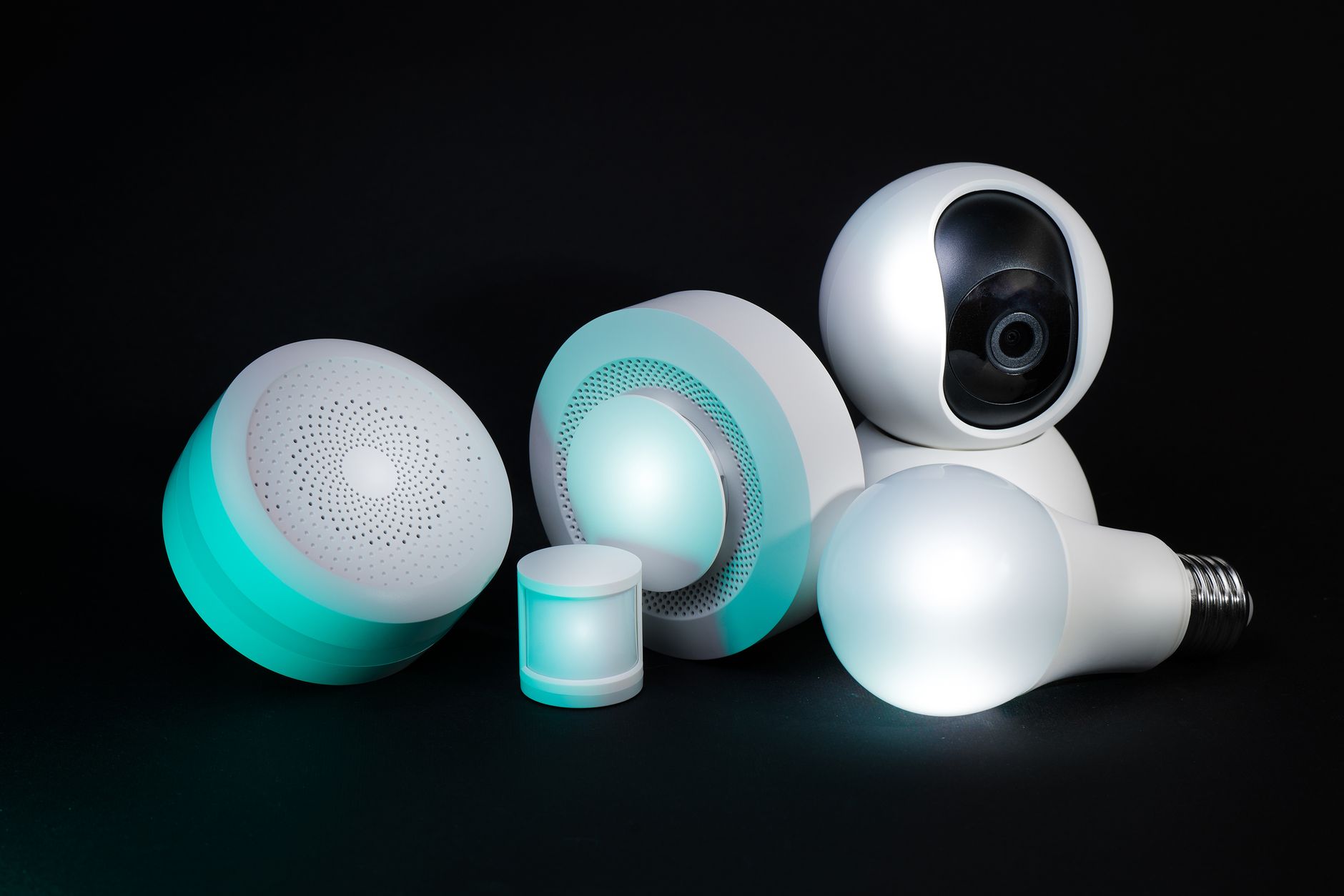
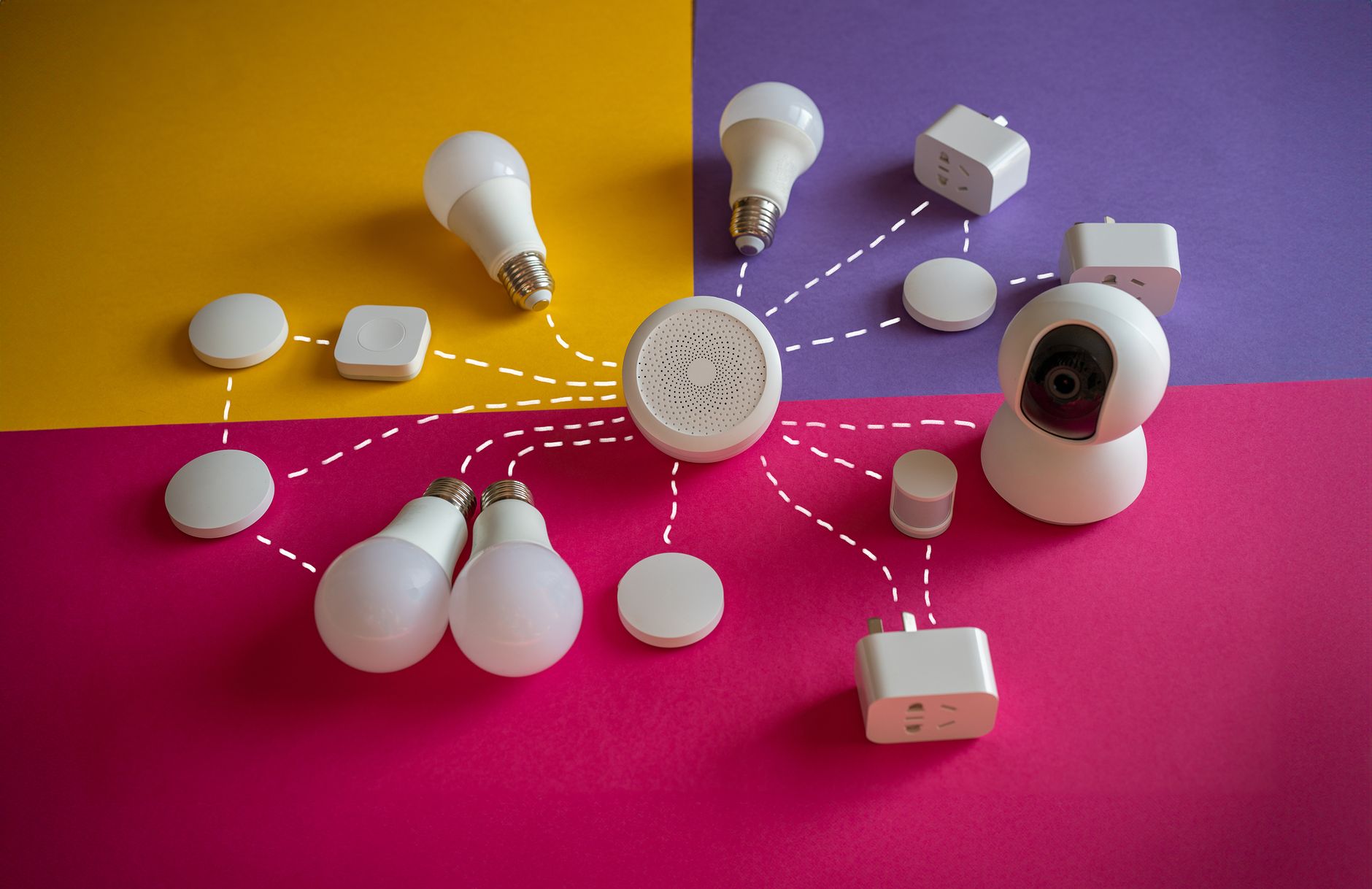
Smart home technology refers to internet-connected devices and systems that allow homeowners to control, monitor, and automate various aspects of their residence. These solutions typically include intelligent lighting systems, climate control, security cameras, door locks, energy monitoring devices, and integrated home management platforms accessible through smartphones or voice assistants.
Schneider Electric's portfolio in this space encompasses energy-efficient electrical systems, home automation controls, and integrated platforms that promise to make homes more comfortable, secure, and environmentally sustainable.
Why Hyderabad?
Hyderabad has emerged as one of India's fastest-growing metropolitan areas, with a robust IT sector, rising disposable incomes, and a population increasingly receptive to technology adoption. The city's real estate market has witnessed substantial growth in premium residential segments, where buyers actively seek modern amenities and future-ready infrastructure.
Several factors make Hyderabad an attractive market for smart home deployment:
- Strong presence of technology professionals who understand and appreciate connected home benefits
- Rapidly expanding residential construction activity, particularly in areas like Gachibowli, Kokapet, and Financial District
- Government initiatives supporting smart city development and digital infrastructure
- Growing environmental consciousness driving demand for energy-efficient solutions
Benefits for Hyderabad Homeowners
The deployment of smart home solutions offers multiple advantages for residents. Energy management stands at the forefront, with intelligent systems that optimize electricity consumption, potentially reducing monthly utility bills by 20-30 percent. Automated lighting and climate control systems adjust based on occupancy and time of day, eliminating wasteful energy use.
Security features represent another significant benefit. Smart door locks, video doorbells, and integrated surveillance systems provide homeowners with real-time monitoring capabilities, even when away from home. Motion sensors and automated alerts add layers of protection that traditional security systems cannot match.
Convenience and comfort also improve considerably. Imagine adjusting your home's temperature while commuting back from work, or setting lighting schedules that simulate occupancy during vacations. Voice-controlled systems allow hands-free operation of multiple devices, particularly valuable for elderly residents or those with mobility challenges.
Impact on Real Estate Development
This initiative will likely influence how builders and developers approach residential projects in Hyderabad. Properties equipped with smart home infrastructure may command premium pricing and appeal to tech-savvy buyers seeking move-in-ready, future-proof homes.
Developers might increasingly incorporate smart wiring, centralized automation systems, and IoT-ready infrastructure as standard features rather than optional upgrades. This shift could establish new benchmarks for residential construction quality in the city.
Challenges and Considerations
Despite the promising outlook, several challenges accompany smart home adoption in India. Initial installation costs remain substantial, potentially limiting uptake to upper-middle and high-income segments. The technology also requires reliable broadband connectivity, which, while improving, still faces consistency issues in some residential areas.
Data privacy and cybersecurity concerns persist as homes become more connected. Homeowners must understand the importance of securing their networks and regularly updating device firmware to protect against potential vulnerabilities.
Additionally, interoperability between devices from different manufacturers can pose complications. Standardization efforts are ongoing, but buyers should carefully consider ecosystem compatibility when investing in smart home products.
The Broader Picture
Schneider Electric's move represents part of a larger trend in Indian urban centers. As cities modernize and populations grow more digitally literate, demand for intelligent building solutions will likely accelerate. The experience gained in Hyderabad could serve as a blueprint for similar deployments in other metros like Bangalore, Pune, and Chennai.
For homeowners considering smart home investments, this deployment signals increased local support, installation expertise, and potentially better pricing through economies of scale. It also suggests that smart home technology is transitioning from luxury novelty to mainstream expectation in India's residential market.
The convergence of environmental concerns, energy costs, security needs, and lifestyle preferences positions smart home technology as a defining feature of modern urban living in India.