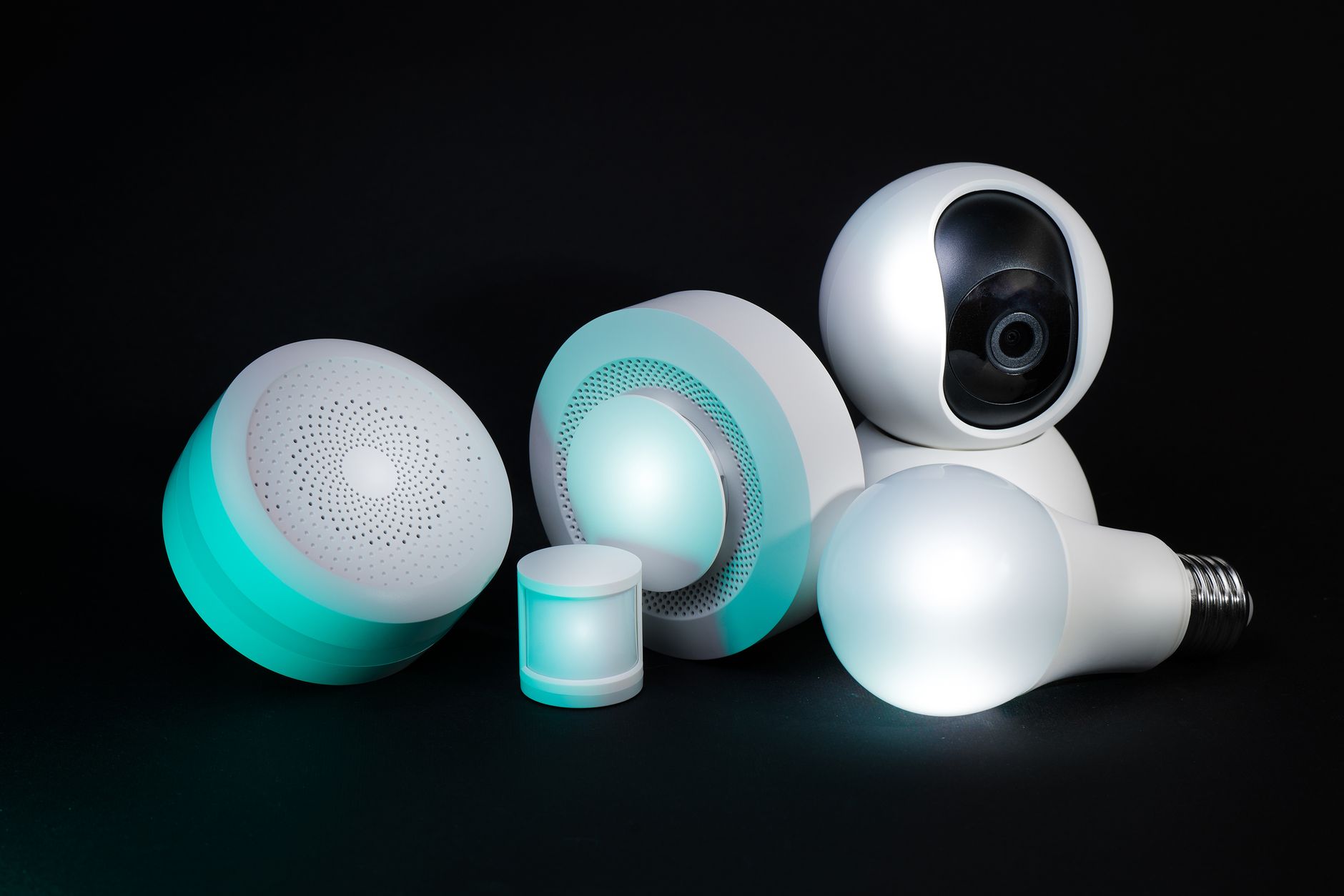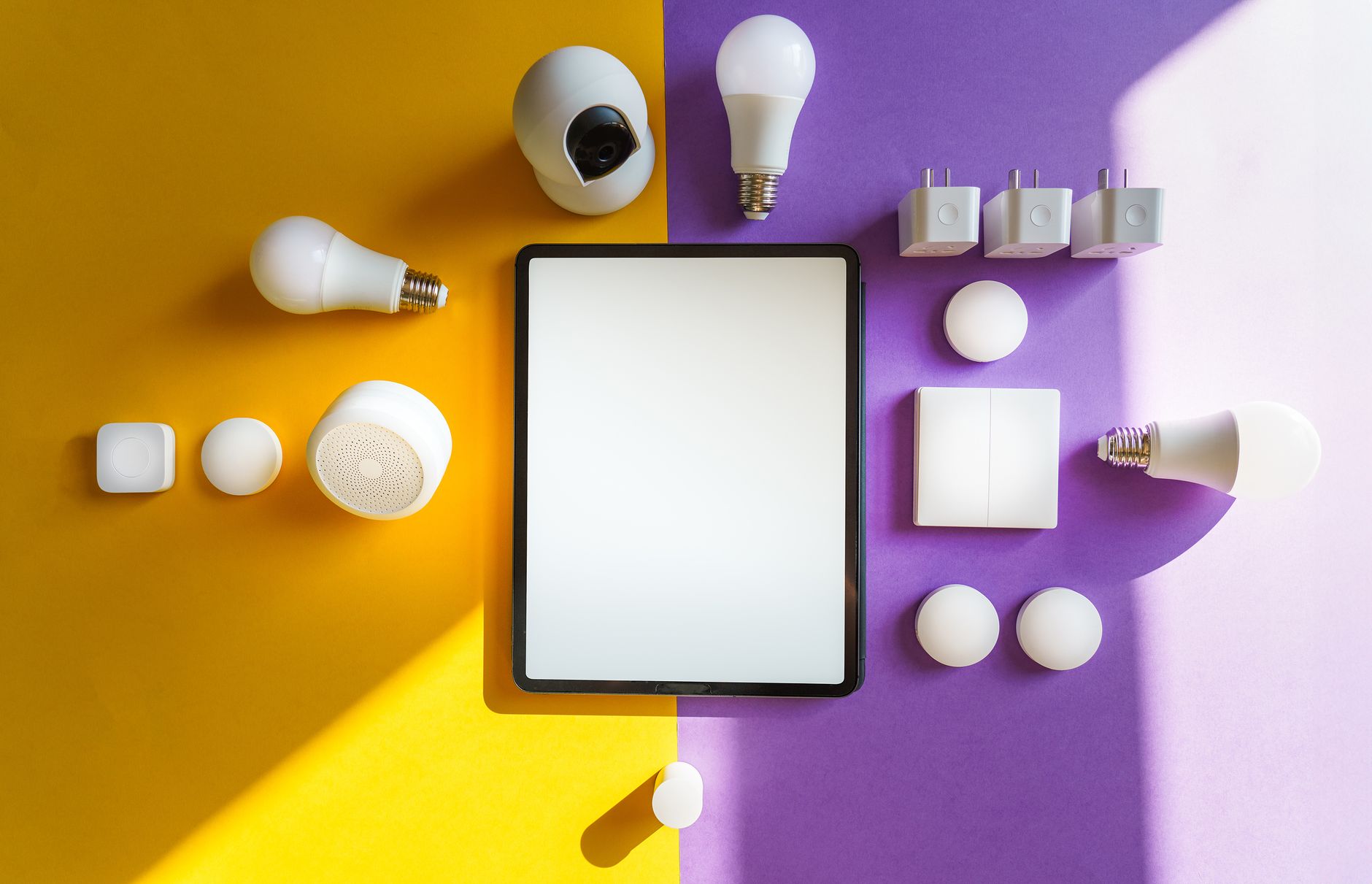
India's smart home market is experiencing unprecedented growth, and the upcoming Lighting World & Home Tech Expo 2027 is set to become a landmark event for the industry. As urbanization accelerates and technology adoption deepens across Indian cities, such exhibitions are becoming crucial platforms for introducing innovations that promise to reshape residential and commercial spaces.
The Smart Home Revolution in India
The Indian smart home market has been growing at a remarkable pace, with more households embracing connected devices and automation systems. From voice-controlled lighting to intelligent climate management, technology is transforming traditional homes into responsive, efficient living spaces. Industry experts estimate that the sector will continue expanding as costs decrease and awareness increases among middle-class consumers.
Smart lighting systems have emerged as one of the most accessible entry points for homeowners exploring automation. These systems allow users to control brightness, color temperature, and scheduling through smartphone apps or voice commands, significantly reducing energy consumption while enhancing convenience and ambiance.
What to Expect from Major Tech Exhibitions
Events like the Lighting World & Home Tech Expo typically showcase several key categories that reflect current market trends and future directions. Visitors can generally expect demonstrations of integrated lighting solutions that combine LED technology with smart controls, offering both aesthetic appeal and substantial energy savings.
Home automation systems displayed at such exhibitions often include comprehensive platforms that connect various devices—security cameras, door locks, thermostats, and entertainment systems—into unified ecosystems. These integrated solutions appeal to consumers seeking seamless control over their entire home environment.
Energy Efficiency Takes Center Stage
With India's commitment to sustainability and renewable energy, energy-efficient lighting solutions have become increasingly important. LED technology has already revolutionized the lighting industry, but newer innovations promise even greater efficiency and longer lifespans. Smart sensors that automatically adjust lighting based on natural daylight availability or room occupancy represent the next frontier in reducing power consumption.
For commercial establishments, intelligent lighting systems can deliver significant operational savings while meeting corporate sustainability goals. Building management systems that optimize energy use across large facilities are becoming standard features in modern construction projects.
Emerging Technologies Reshaping Home Experiences
Several emerging technologies are likely to feature prominently at major home technology exhibitions:
- Circadian rhythm lighting that adjusts color temperature throughout the day to support natural sleep-wake cycles
- Li-Fi technology using light waves for wireless data transmission
- UV-C disinfection lighting systems for enhanced hygiene
- Human-centric lighting designed to improve productivity and wellbeing
- Integration of artificial intelligence for predictive automation
- Solar-powered smart home systems for off-grid capabilities
The Indian Consumer Perspective
Indian consumers are becoming increasingly sophisticated in their technology preferences. While price sensitivity remains a factor, there is growing willingness to invest in solutions that offer long-term value through energy savings and enhanced security. The aspirational middle class, particularly in metropolitan areas, views smart home technology as both practical and status-enhancing.
Regional preferences also play a role, with consumers in different states showing varying priorities. Urban areas typically focus on security and convenience features, while tier-two and tier-three cities are increasingly interested in energy management solutions that reduce monthly electricity bills.
Opportunities for Industry Stakeholders
Large-scale exhibitions create valuable networking opportunities for manufacturers, distributors, installers, architects, and interior designers. They serve as platforms for announcing product launches, forming business partnerships, and understanding market dynamics. For startups and innovative companies, such events offer visibility and credibility in a competitive marketplace.
The Make in India initiative has also spurred domestic manufacturing of smart home components, making these technologies more accessible and affordable. Exhibitions showcase both international brands and homegrown innovations, highlighting India's growing capabilities in technology development.
Installation and Integration Challenges
Despite growing interest, smart home adoption faces several challenges. Installation complexity, compatibility issues between different brands, and concerns about data privacy remain barriers for many potential customers. Industry events help address these concerns by demonstrating user-friendly installation processes and showcasing interoperable systems that work across platforms.
As the Internet of Things ecosystem matures in India, standardization efforts are making it easier for consumers to mix and match components from different manufacturers while maintaining functionality and security.
The convergence of lighting technology and home automation represents a significant shift in how we interact with our living spaces, promising greater comfort, efficiency, and control over our domestic environments.