Japan and India have long maintained strong diplomatic and economic relations, and recent discussions to deepen collaboration in health and medical device sectors mark a significant milestone in this partnership. As both nations face evolving healthcare challenges and opportunities, this cooperation could reshape medical technology accessibility, innovation, and public health infrastructure across Asia.
Why Healthcare Collaboration Matters Now
The timing of this collaboration reflects several global and regional trends. India has emerged as a major pharmaceutical manufacturing hub and medical services provider, while Japan brings advanced medical technology, precision engineering, and decades of experience in healthcare innovation. Both countries are grappling with aging populations, though at different stages, and both recognize the strategic importance of medical device manufacturing in national security and economic growth.
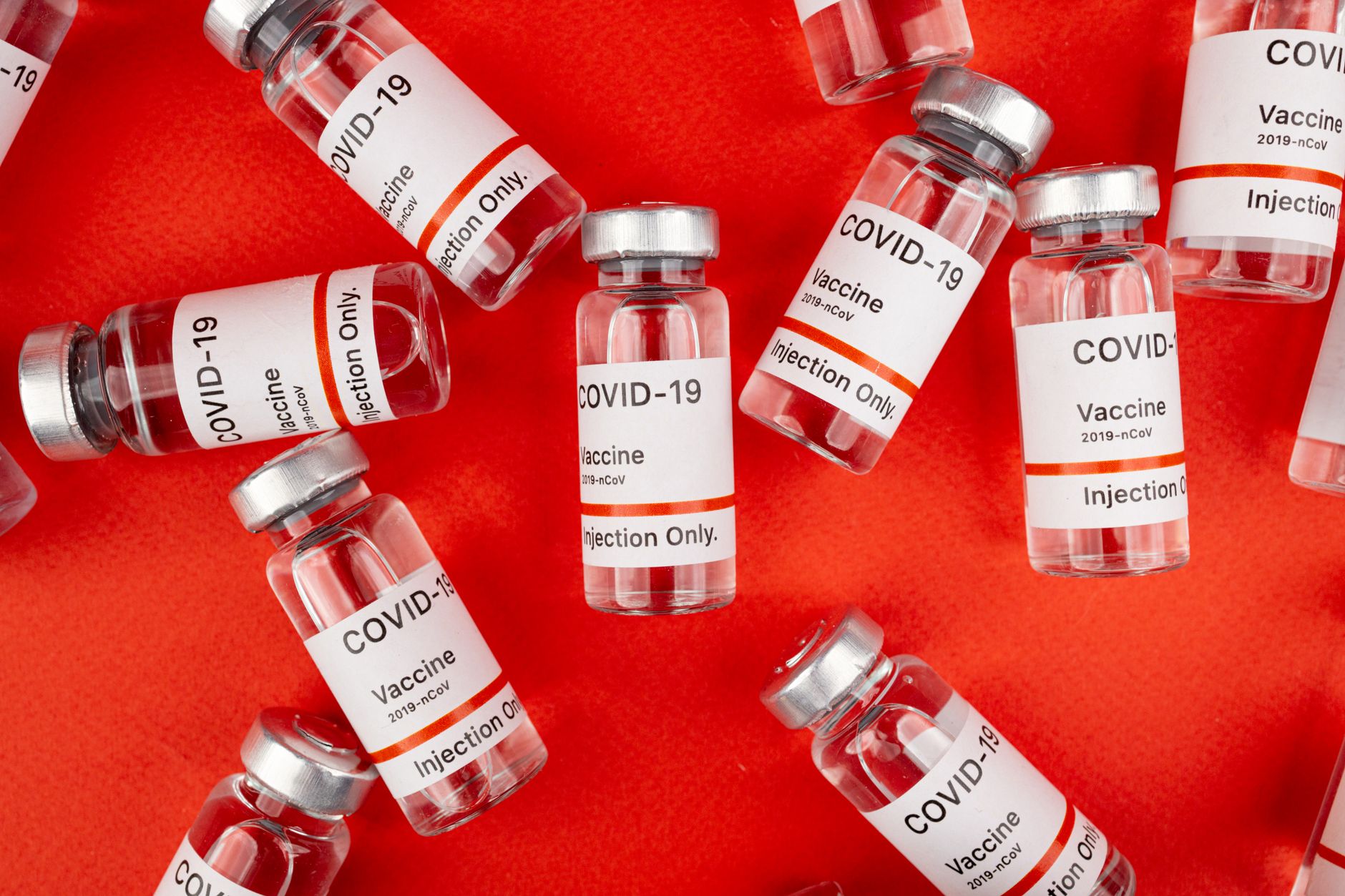
The COVID-19 pandemic exposed vulnerabilities in global medical supply chains, prompting nations to diversify their healthcare partnerships and reduce dependence on single-source suppliers. This Japan-India dialogue fits into a broader strategy of building resilient, regional healthcare ecosystems.
Key Areas of Potential Collaboration
Several sectors stand to benefit from closer Japan-India cooperation in healthcare:
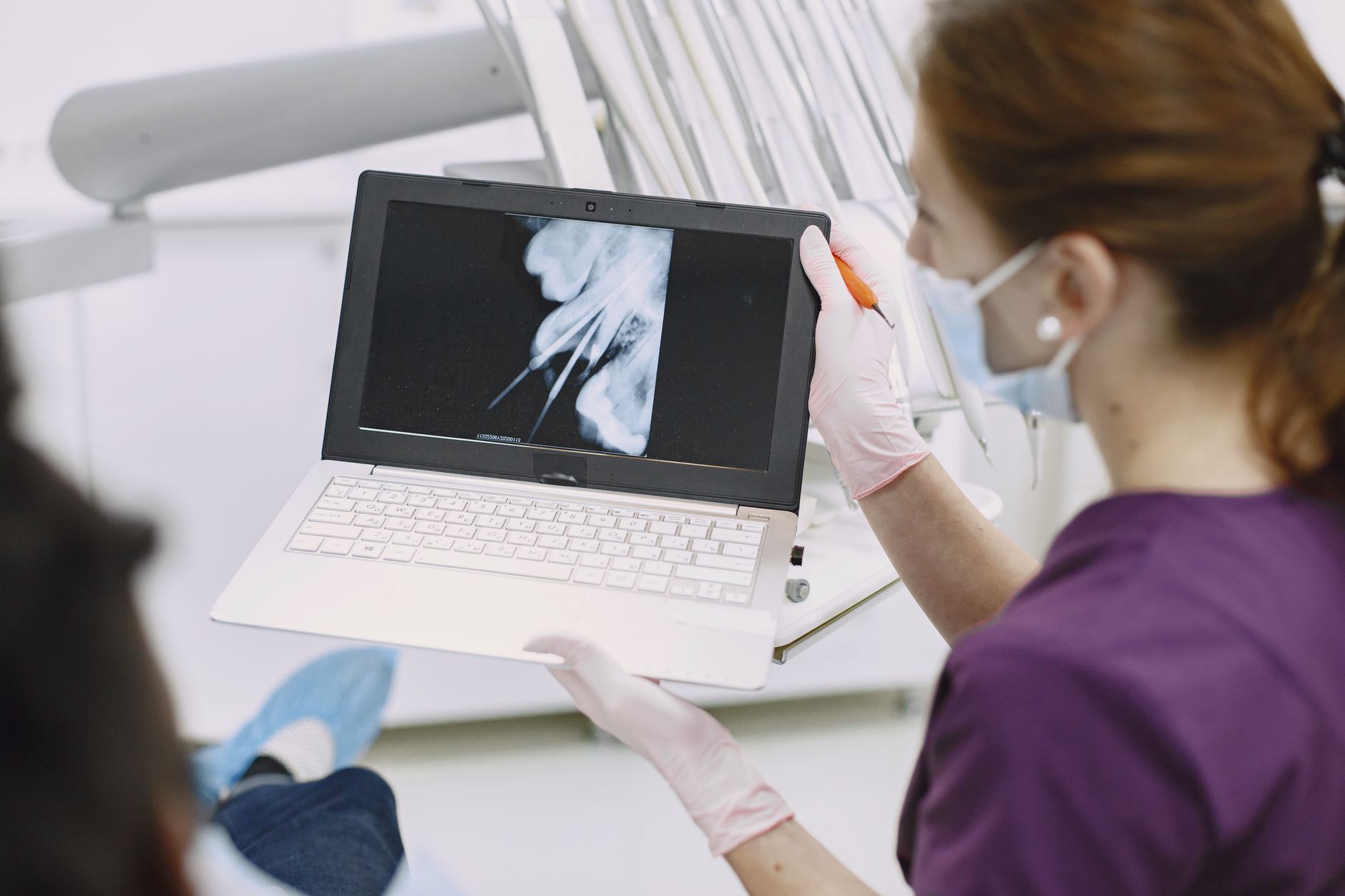
- Medical device manufacturing and technology transfer, particularly in diagnostic equipment and imaging systems
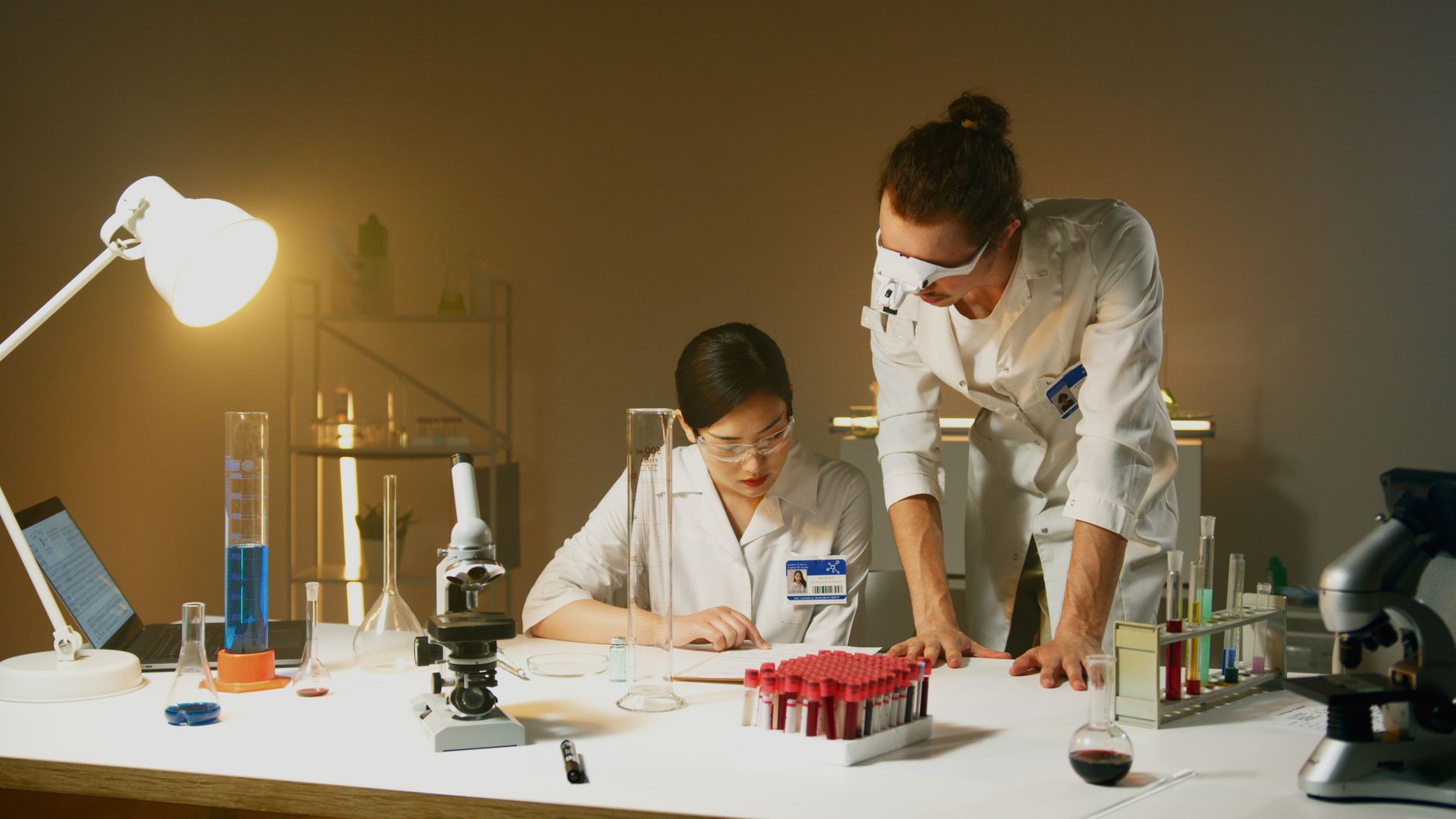
- Joint research and development in areas like regenerative medicine, robotics-assisted surgery, and telemedicine platforms
- Training programs for healthcare professionals, including exchanges between medical institutions
- Regulatory harmonization to streamline approval processes for medical devices in both markets
- Digital health initiatives, including electronic health records and AI-based diagnostic tools
India's strength in software development and cost-effective manufacturing complements Japan's expertise in precision engineering and quality control standards. This synergy could produce medical devices that combine advanced technology with affordability, benefiting not just both nations but emerging markets across Asia and Africa.
Manufacturing and Make in India
India's "Make in India" initiative seeks to transform the country into a global manufacturing powerhouse, and medical devices represent a priority sector. Currently, India imports a significant portion of its medical equipment, creating both a trade deficit and dependency concerns. Japan's willingness to collaborate could involve technology partnerships, joint ventures, and investments in Indian manufacturing facilities.
Japanese companies bring stringent quality standards and innovative technologies, while Indian partners offer manufacturing scale, cost advantages, and access to growing domestic and regional markets. This combination could help India move up the value chain from basic medical supplies to sophisticated devices like MRI machines, surgical robots, and advanced patient monitoring systems.
Healthcare Access and Affordability
One of the most significant potential outcomes of this collaboration is improved healthcare access. Japan's advanced but expensive healthcare technologies could be adapted and manufactured in India at lower costs, making them accessible to millions who currently lack access to quality medical care.
Telemedicine platforms, portable diagnostic devices, and AI-powered screening tools developed through this partnership could reach remote and underserved areas in both countries. India's experience in frugal innovation—creating effective, low-cost solutions—combined with Japanese technological sophistication could yield breakthrough products for resource-constrained settings.
Aging Populations and Chronic Disease Management
Japan has one of the world's oldest populations, with extensive experience in geriatric care, assistive devices, and technologies for aging-in-place. India's population is younger but aging rapidly, with chronic diseases like diabetes and heart disease increasingly prevalent. Both nations can learn from each other's approaches to managing these demographic shifts.
Japanese expertise in robotics for elderly care, remote patient monitoring, and rehabilitation devices could be adapted for the Indian context. Meanwhile, India's digital health initiatives and community health worker programs offer scalable models that could inform Japan's efforts to extend care beyond traditional institutional settings.
Regulatory and Standards Alignment
For meaningful collaboration to succeed, both nations must work toward compatible regulatory frameworks. Harmonizing standards for medical device approvals, clinical trials, and quality certifications would accelerate the flow of innovations between markets and reduce duplicative testing and approval processes.
Such alignment would also strengthen both countries' positions in regional and global health governance discussions, potentially influencing standards across Asia.
Looking Ahead
The Japan-India health collaboration represents more than a bilateral agreement—it's a model for how complementary strengths can address shared challenges. As discussions progress toward concrete initiatives, the healthcare sectors in both nations, along with patients and healthcare workers, stand to benefit from increased innovation, improved access, and stronger health systems.
This partnership could also serve as a counterweight to other global health alliances, providing alternative sources of medical technology and reducing dependence on suppliers from other regions. The coming months will reveal how these discussions translate into tangible projects, investments, and health outcomes.
This article is for general informational purposes only and does not constitute specific policy analysis or recommendations regarding healthcare decisions or international relations.