The convergence of Industry 4.0 technologies with residential living is reshaping how Indian families interact with their homes. While industrial automation has long been the domain of factories and manufacturing plants, the same principles of connectivity, artificial intelligence, and data-driven decision-making are now finding their way into modern Indian households.
Understanding Industry 4.0 Technologies in Homes
Industry 4.0 represents the fourth industrial revolution, characterised by cyber-physical systems, the Internet of Things (IoT), cloud computing, and cognitive computing. When applied to residential settings, these technologies enable homes to learn from occupant behaviour, optimise energy consumption, and provide unprecedented levels of convenience and security.
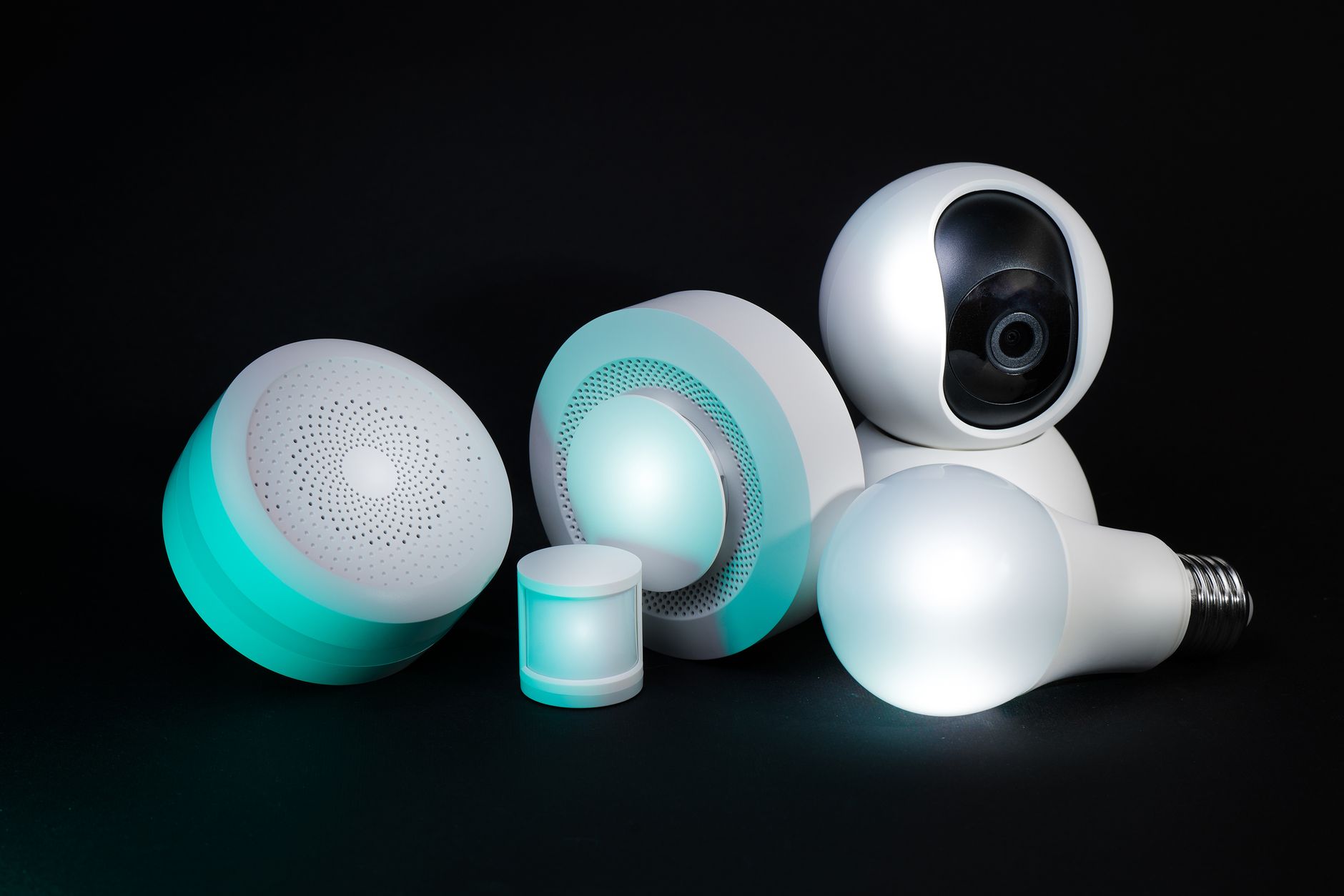
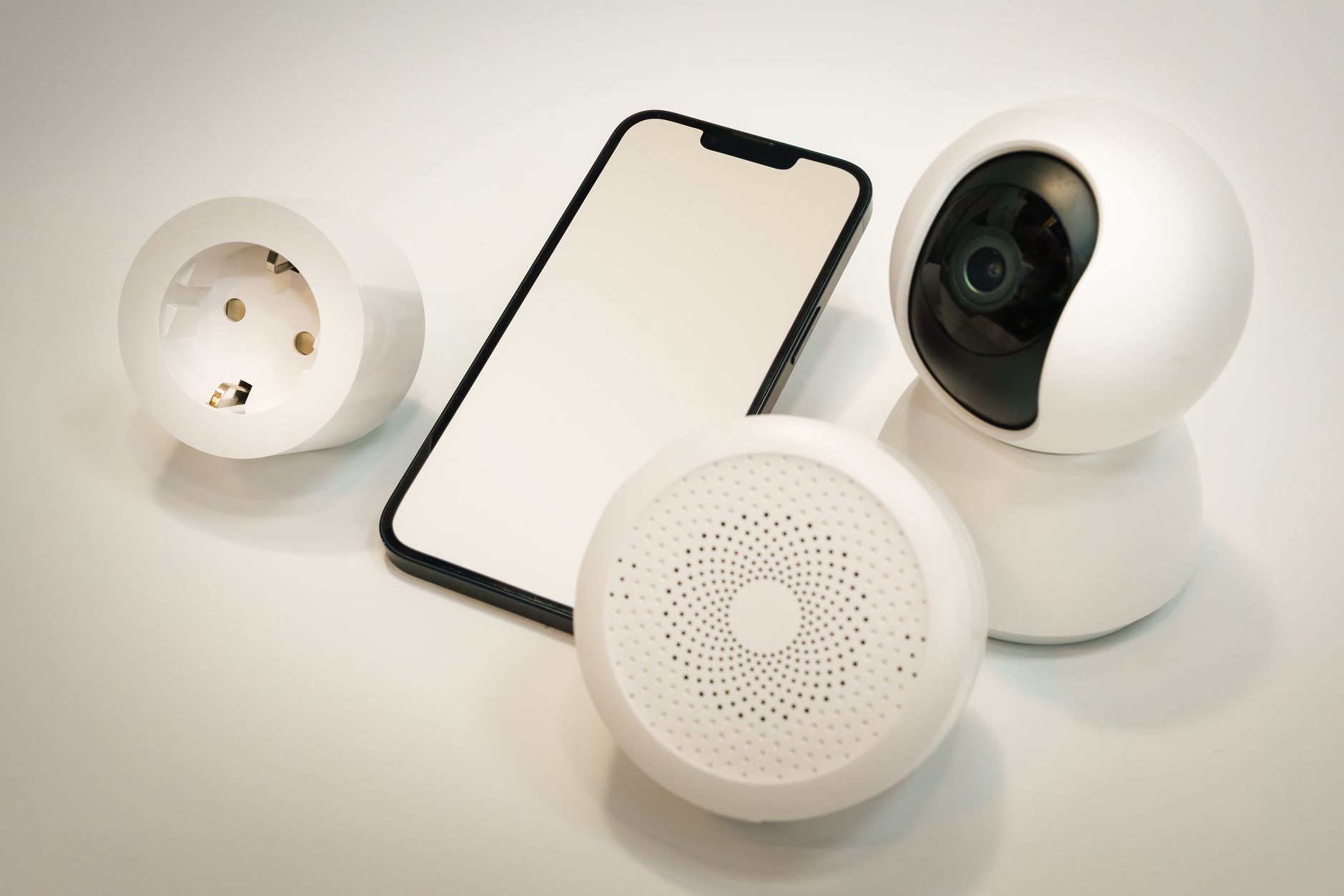
Smart home systems leveraging Industry 4.0 principles can integrate lighting, climate control, security cameras, door locks, entertainment systems, and kitchen appliances into a unified ecosystem. These devices communicate with each other and can be controlled remotely through smartphone applications or voice commands.
Key Benefits for Indian Homeowners
The adoption of smart home technologies offers several practical advantages suited to the Indian context. Energy management systems can significantly reduce electricity bills by automatically adjusting air conditioning based on occupancy and outdoor temperature. Given India's rising energy costs and frequent power fluctuations, smart voltage stabilisers and automated backup power systems provide both savings and reliability.
Security features including smart doorbells, motion sensors, and CCTV cameras with facial recognition offer peace of mind, particularly valuable in urban apartments and independent homes. These systems can send real-time alerts to homeowners' smartphones, enabling them to monitor their properties even whilst traveling or at work.
Water management is another crucial application in Indian homes. Smart water meters and leak detection systems help conserve water and prevent damage, addressing a critical concern in many Indian cities facing water scarcity.
Practical Applications in Daily Life
Modern smart homes can automate routine tasks that consume valuable time. Automated lighting systems adjust based on natural light availability and room occupancy, whilst smart thermostats learn family schedules to optimise heating and cooling patterns.
In the kitchen, connected appliances can suggest recipes based on available ingredients, notify users when groceries are running low, and even preheat ovens remotely. Smart refrigerators can track expiration dates and maintain optimal temperature zones for different food items.
Voice-activated assistants serve as central control hubs, allowing residents to manage multiple devices through simple commands in regional languages, making technology accessible to all family members regardless of technical expertise.
Implementation Considerations
For Indian homeowners considering smart home upgrades, a phased approach often works best. Starting with basic automation like smart lighting and security cameras allows families to become comfortable with the technology before investing in comprehensive systems.
Internet connectivity is foundational to smart home functionality. Reliable broadband or 4G/5G connections ensure devices remain responsive and accessible remotely. Many modern systems work on standard Wi-Fi networks, though some applications benefit from dedicated mesh networks for broader coverage.
Cost and Return on Investment
Initial investment in smart home technology varies widely based on the scope of implementation. Basic starter kits including smart bulbs, plugs, and a control hub can begin from Rs 10,000 to Rs 25,000, whilst comprehensive whole-home automation systems may range from Rs 2 lakh to Rs 10 lakh or more.
The return on investment materialises through reduced energy bills, lower maintenance costs due to predictive alerts, and increased property value. Studies suggest well-implemented smart home systems can reduce energy consumption by 20-30 percent, translating to substantial savings over time.
The Path Forward
As 5G networks expand across India and IoT device costs continue declining, smart home adoption is expected to accelerate. The integration of artificial intelligence will enable homes to become more predictive, anticipating needs before residents explicitly express them.
Compatibility between different manufacturers' products remains a consideration, though industry standards like Matter are working to ensure devices from various brands can work together seamlessly.
For Indian families, the journey toward smart homes represents an opportunity to embrace technology that genuinely improves quality of life whilst contributing to broader goals of energy conservation and resource management. As these systems become more affordable and user-friendly, the futuristic concept of the fully automated home is rapidly becoming an accessible reality for middle-class Indian households.