India's tourism landscape has undergone a dramatic metamorphosis in the last ten years, evolving from a sector plagued by infrastructure challenges to one of the fastest-growing travel destinations globally. This transformation has been powered by strategic government initiatives, private sector investment, and a fundamental shift in how domestic and international travelers experience the country.
The Infrastructure Revolution
The backbone of India's tourism success story lies in its infrastructure overhaul. The construction of new airports and the modernization of existing ones have dramatically improved connectivity to previously hard-to-reach destinations. Cities like Guwahati, Shirdi, and Kushinagar now boast international airports, opening new gateways for tourists.
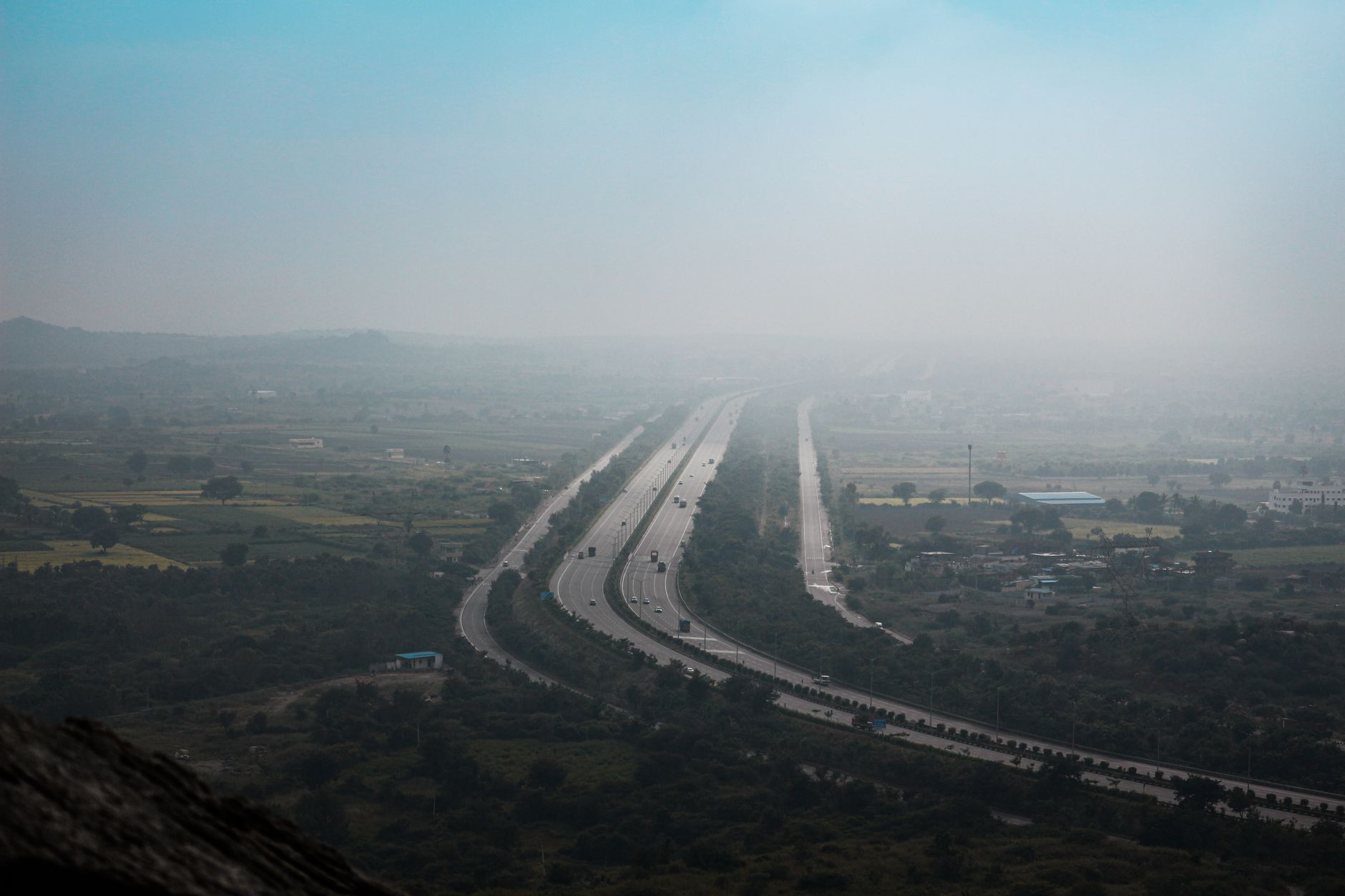
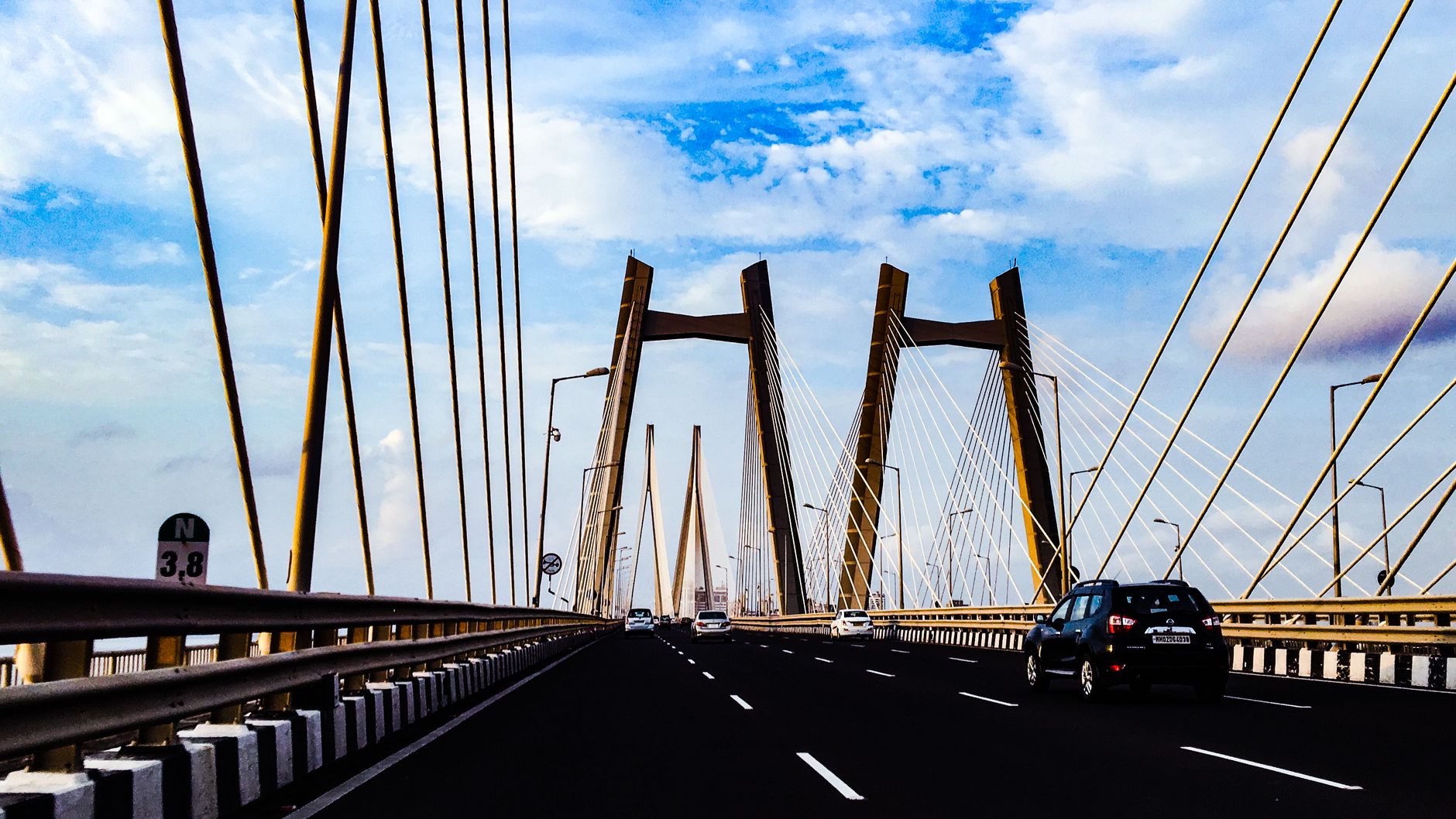
Highway development has been equally transformative. The Bharatmala Pariyojana project has connected remote hill stations, coastal towns, and heritage sites through world-class expressways. Journey times between major tourist circuits have been slashed, making multi-destination tours more feasible. The Delhi-Meerut Expressway, Mumbai-Nagpur Samruddhi Mahamarg, and numerous hill highway projects have made road travel comfortable and time-efficient.
Railway infrastructure has also leaped forward. The introduction of Vande Bharat Express trains on scenic routes, station redevelopment programs, and improved cleanliness standards have elevated rail travel. Tourist circuits like the Himalayan routes and coastal corridors now offer premium train services that compete with air travel in comfort.
Spiritual Tourism Takes Center Stage
India's spiritual heritage has emerged as a cornerstone of its tourism appeal. The past decade has seen significant investment in developing and promoting pilgrimage sites, transforming them into world-class destinations while preserving their sacred character.
The Kashi Vishwanath Corridor in Varanasi exemplifies this approach, combining spiritual authenticity with modern amenities. Similar redevelopment projects at Kedarnath, Badrinath, Ayodhya, and Somnath have made these ancient sites more accessible and comfortable for pilgrims.
The government's PRASAD scheme has upgraded infrastructure at major pilgrimage destinations, providing better accommodation, cleaner facilities, and improved crowd management. This has attracted not just domestic pilgrims but also international spiritual tourists seeking authentic experiences.
Buddhist circuit development has positioned India as a prime destination for Buddhist pilgrims from across Asia. Sites associated with Buddha's life now feature international-standard facilities, interpretive centers, and connectivity that rivals any global heritage destination.
Digital Transformation and Connectivity
Technology has been a silent enabler of tourism growth. The expansion of 4G and now 5G networks even in remote areas means travelers can navigate, book, and share experiences seamlessly. Digital payment infrastructure has eliminated the cash-dependency that once complicated tourist transactions.
The e-Visa regime has simplified entry for foreign tourists, with citizens from over 170 countries now eligible for online visa applications. This administrative ease has removed a significant friction point, contributing to increased foreign arrivals.
Tourism apps and digital platforms have democratized travel planning. From booking homestays in remote villages to reserving slots at popular monuments, technology has made independent travel more accessible and affordable.
Regional Diversity and Emerging Destinations
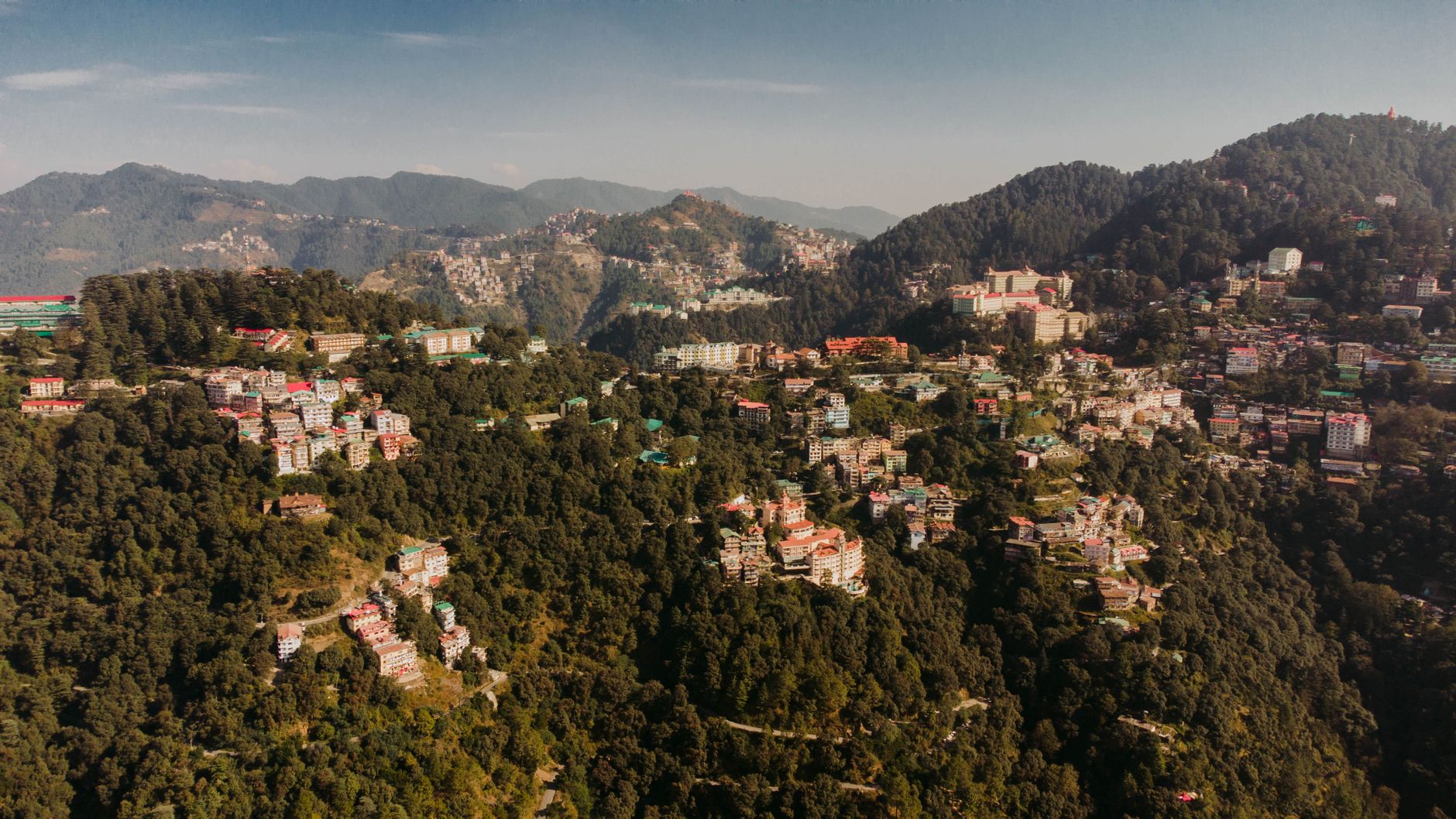
India's tourism growth hasn't been limited to traditional hotspots. The Northeast has opened up as an adventure and cultural tourism hub, with improved road connectivity and focused marketing. Arunachal Pradesh, Meghalaya, and Sikkim now attract serious trekkers, nature lovers, and culture enthusiasts.
Coastal states have developed their beach tourism infrastructure, with Goa facing healthy competition from Gokarna, Varkala, and the beaches of Odisha. Inland water tourism has gained traction with houseboat experiences in Kerala, Alleppey, and Kashmir.
Adventure tourism has found new geographies, from paragliding in Bir-Billing to rafting in Rishikesh, and scuba diving in the Andamans. Each region has identified and developed its unique tourism proposition.
Sustainable Tourism Initiatives
Environmental consciousness has become integral to tourism development. Plastic bans at heritage sites, waste management systems, and carrying capacity regulations at ecologically sensitive destinations reflect a more sustainable approach.
Community-based tourism initiatives have empowered local populations, ensuring tourism benefits reach grassroots levels. Homestay networks, village tourism projects, and craft-based experiences have created alternative livelihoods while preserving cultural authenticity.
The Road Ahead
India's tourism sector stands at an exciting juncture. With infrastructure continuing to improve, new destinations being developed, and a growing middle class with travel aspirations, the sector's trajectory appears robust. The focus has shifted from merely increasing tourist numbers to enhancing experience quality and sustainability—a maturation that bodes well for long-term growth.