The world's geopolitical landscape has dramatically transformed how Indians plan their summer holidays in 2024. With ongoing conflicts in multiple regions, travelers are navigating an increasingly complex environment where safety concerns, route disruptions, and economic uncertainties are reshaping traditional vacation patterns.
The New Reality of International Travel
Global conflicts have created a ripple effect across the tourism industry that extends far beyond war-affected regions. Indian travelers are finding that even destinations thousands of kilometers from active conflict zones are experiencing indirect impacts through altered flight paths, increased fuel costs, and stricter visa regulations.
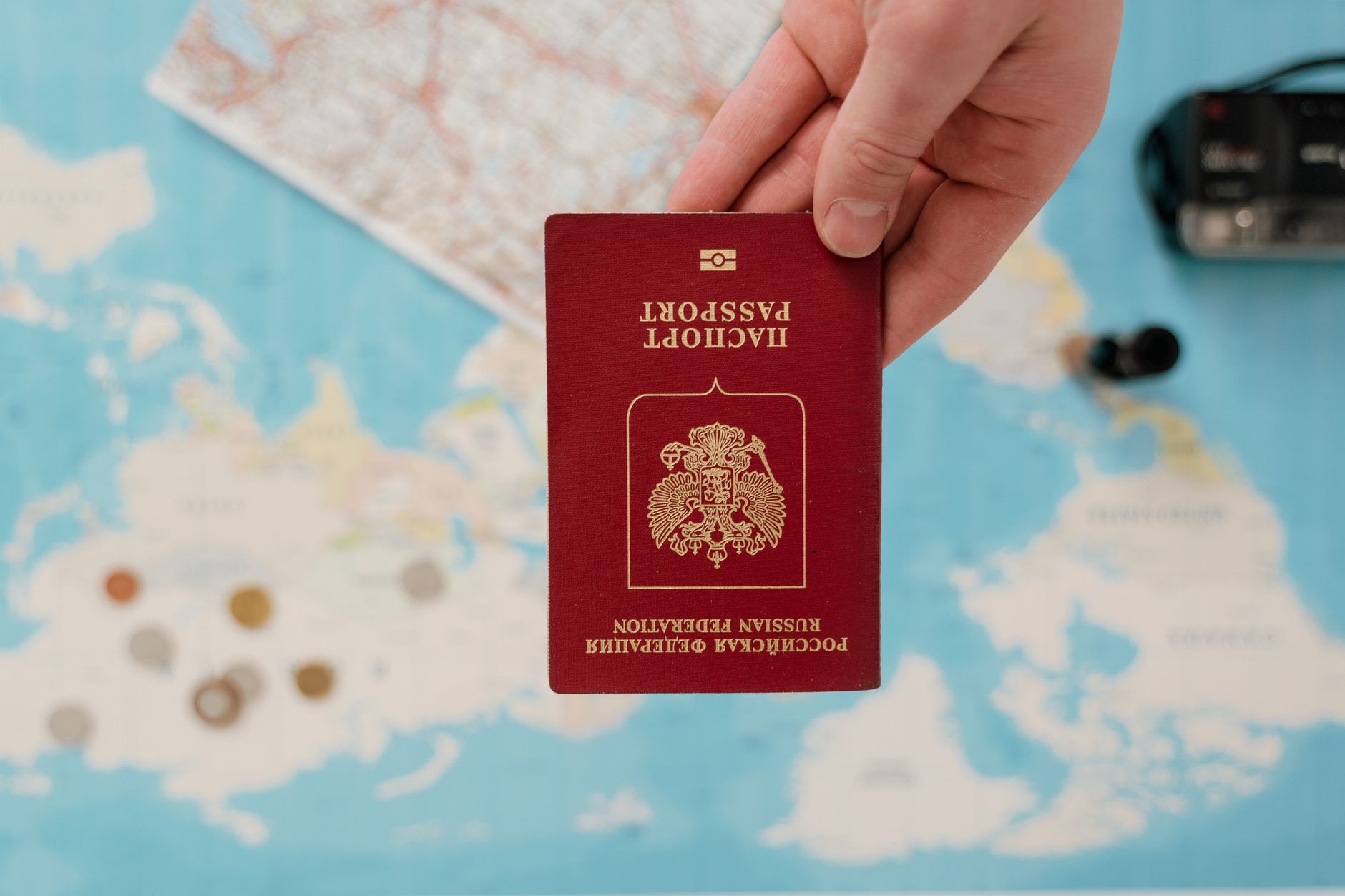
Airlines have been forced to reroute flights to avoid conflict airspace, adding hours to journey times and increasing ticket prices. The closure of certain airspaces has made popular European destinations more expensive and time-consuming to reach, prompting many families to reconsider their traditional summer trips abroad.
Shifting Destination Preferences
Indian tourists are demonstrating remarkable adaptability in their travel choices. Traditional hotspots in Eastern Europe and parts of the Middle East have seen declining bookings from Indian travelers, while alternative destinations are experiencing unprecedented demand.
- Southeast Asian countries like Vietnam, Thailand, and Indonesia are witnessing a surge in Indian tourists
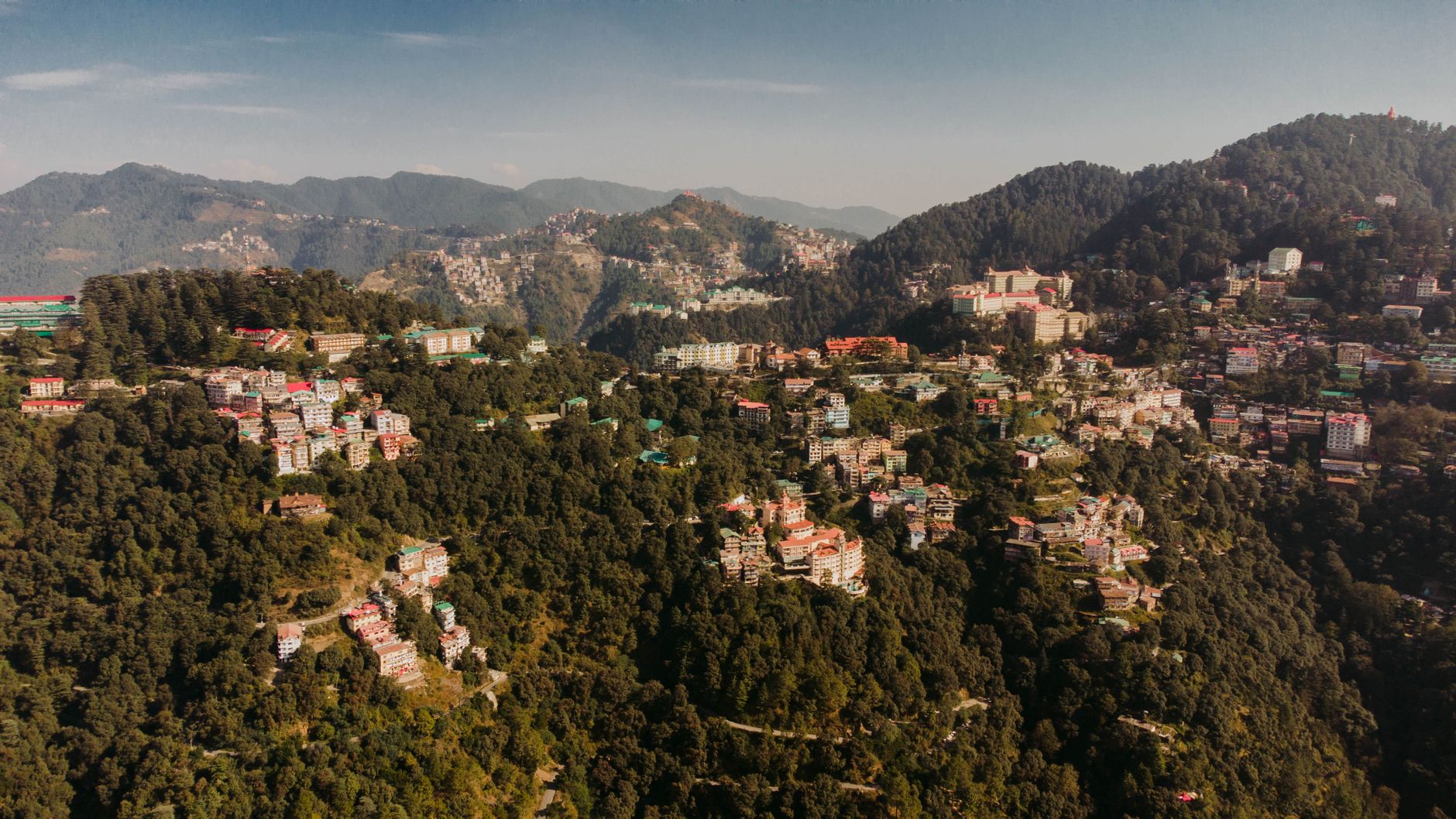
- Domestic destinations including Himachal Pradesh, Kerala, and Rajasthan are seeing record advance bookings
- Newer international destinations such as Azerbaijan, Uzbekistan, and Georgia are gaining popularity
- Countries perceived as politically stable like Switzerland, Canada, and Australia remain in high demand despite higher costs
The Insurance and Safety Factor
Travel insurance premiums have increased substantially for destinations near conflict zones or along affected flight corridors. Many insurers have either excluded coverage for certain regions entirely or added significant surcharges, adding another layer of cost to international travel.
Families with elderly parents or young children are particularly cautious, often opting for destinations with robust infrastructure and established Indian diaspora communities. The presence of Indian embassies and consulates has become a more important consideration in destination selection than ever before.
Economic Implications
The redirection of travel flows is creating winners and losers in the global tourism economy. Countries that have positioned themselves as safe, stable alternatives are reaping economic benefits, while traditional favorites are struggling with empty hotels and canceled bookings.
For Indian travelers, the economic impact is mixed. While some are finding value in exploring less-traveled destinations at competitive prices, others are paying premium rates for confirmed safe routes and accommodations. The overall cost of international travel has increased by an estimated fifteen to twenty-five percent compared to pre-conflict periods.
The Domestic Tourism Boom
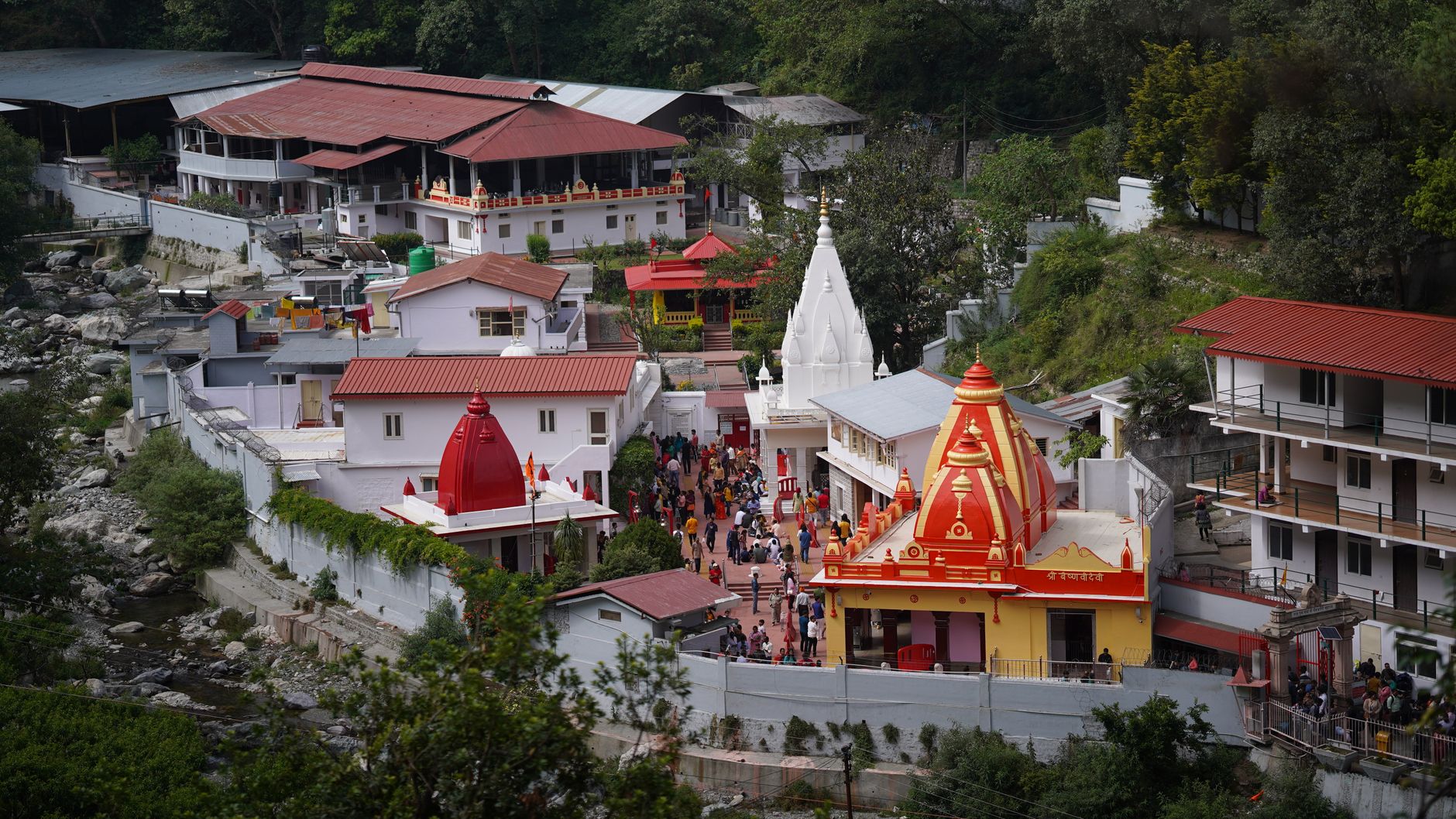
Perhaps the most significant shift has been the renewed interest in domestic tourism. Indian destinations that offer diverse experiences without international travel complications are experiencing a golden period. Hotels in Kashmir, Goa, and the northeastern states report booking levels exceeding pre-pandemic peaks.
State tourism boards are capitalizing on this trend with improved infrastructure, new attractions, and targeted marketing campaigns. The "Dekho Apna Desh" initiative has gained organic momentum as travelers discover world-class experiences within national borders.
Technology and Real-Time Planning
Modern travelers are leveraging technology to stay informed about rapidly changing situations. Travel apps with real-time alerts, embassy notifications, and crowd-sourced safety information have become essential planning tools. Many Indians are booking refundable tickets and accommodations, accepting higher upfront costs for the flexibility to change plans if situations deteriorate.
Looking Ahead
The transformation of summer travel patterns may have lasting effects beyond current conflicts. Indian travelers are discovering new destinations and developing a more nuanced understanding of geopolitical risk. This awareness is likely to influence travel decisions for years to come, even after immediate conflicts resolve.
Tour operators and travel agents report that clients are asking more sophisticated questions about regional stability, backup plans, and emergency protocols. This elevated awareness is professionalizing the industry and raising service standards across the board.
The current situation, while challenging, is also creating opportunities for both travelers and destinations willing to adapt. Indians are proving to be resilient and creative travelers, finding ways to fulfill their wanderlust while prioritizing safety and value in an uncertain world.