The World Travel & Tourism Council (WTTC), a global authority representing the travel and tourism sector, has issued a strong appeal to Indian policymakers to implement comprehensive visa reforms and scale up investments in tourism infrastructure. The recommendations come at a time when India is positioning itself as a major player in the global tourism market, with the sector showing robust recovery and growth potential.
The Current State of Indian Tourism
India's tourism sector has witnessed significant growth in recent years, contributing substantially to the country's GDP and employment generation. The sector supports millions of jobs across hospitality, transportation, retail, and ancillary services. However, industry experts believe that bureaucratic hurdles, particularly complex visa procedures, continue to hamper the country's ability to attract its full potential of international visitors.
Despite being home to diverse cultural heritage, natural landscapes ranging from Himalayan peaks to tropical beaches, and a growing reputation for wellness tourism, India still lags behind several Asian competitors in terms of international tourist arrivals. Countries like Thailand, Malaysia, and even smaller nations have managed to capture larger shares of the global tourism market through visitor-friendly policies and strategic investments.
Visa Reforms: A Critical Priority
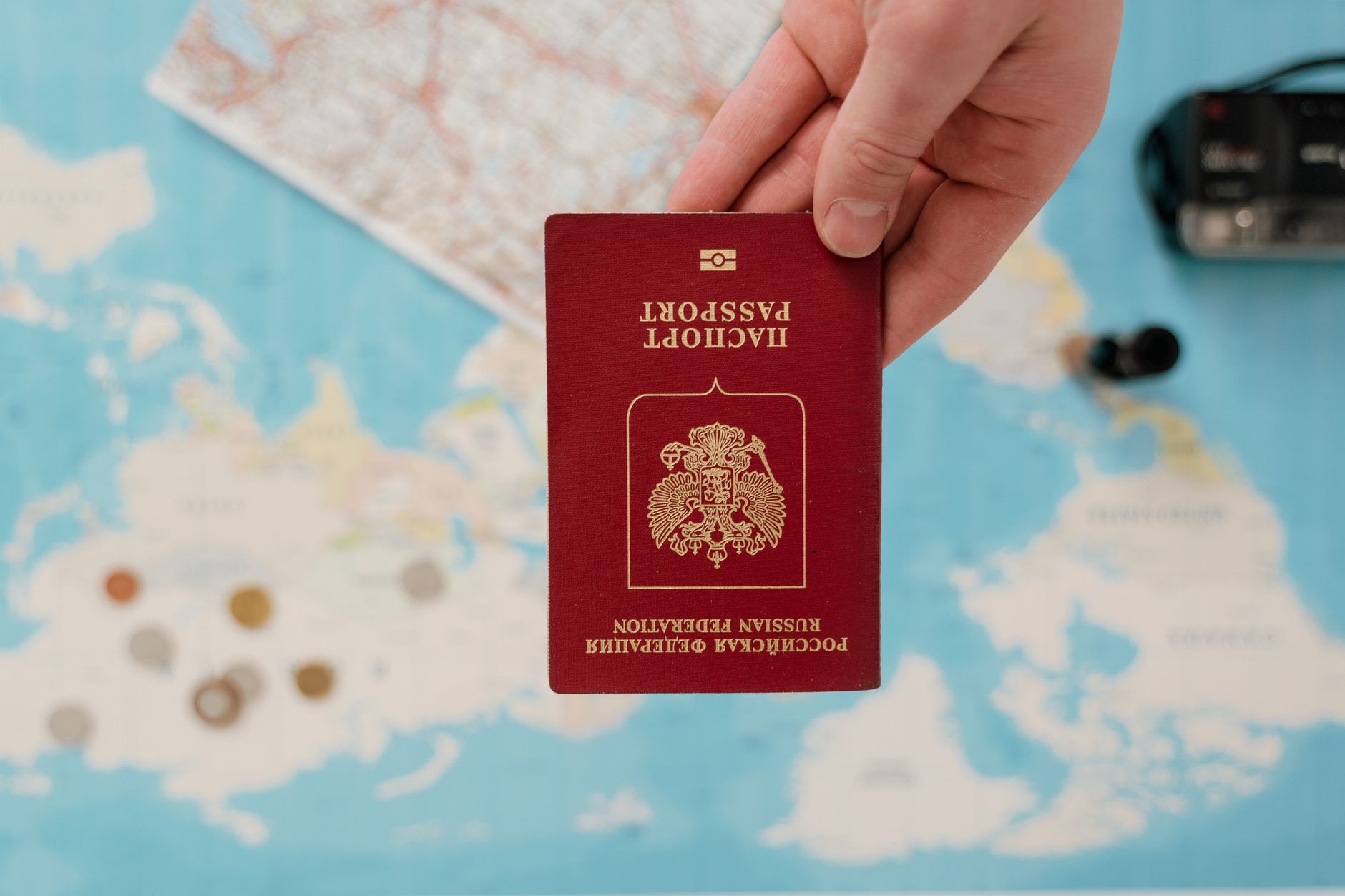
The WTTC's call for visa reforms centers on making India more accessible to international travelers. Currently, while India offers e-visa facilities for citizens of many countries, the process can still be cumbersome compared to the seamless entry procedures offered by competitor destinations.
Key areas where reforms could make a difference include:
- Expanding the list of countries eligible for visa-on-arrival and e-visa facilities
- Simplifying application procedures and reducing processing times
- Introducing longer validity periods for tourist visas
- Creating special visa categories for medical tourists and business travelers
- Implementing more efficient airport immigration processes
Several Southeast Asian nations have demonstrated how liberal visa policies can dramatically boost tourist numbers. Thailand's visa-free entry for multiple nationalities and Indonesia's expansion of visa-on-arrival facilities have been credited with significant increases in visitor arrivals.
Infrastructure Investment Gaps
Beyond visa reforms, the WTTC has emphasized the need for substantial investments in tourism infrastructure. While India has made progress in developing tourism circuits and improving connectivity to major destinations, significant gaps remain.
Infrastructure challenges include inadequate last-mile connectivity to tourist sites, insufficient accommodation options across various price points outside major cities, and gaps in basic amenities at many heritage and natural sites. Additionally, digital infrastructure for tourism—including online booking systems, digital payment facilities, and tourist information systems—requires upgrading in many regions.
Economic Implications
The potential economic benefits of implementing these reforms are substantial. Tourism is a major employment generator, particularly for youth and women, and has multiplier effects across the economy. Enhanced tourism flows could boost foreign exchange earnings, support small and medium enterprises, and drive development in rural and remote areas.
Industry estimates suggest that streamlined visa processes alone could increase international arrivals by several million annually, translating into billions of dollars in additional revenue. When combined with improved infrastructure, the impact could be transformative for the sector.
Regional Competition and Global Positioning
India faces stiff competition from neighboring countries that have made tourism a national priority. The WTTC's recommendations come amid growing recognition that India must act decisively to claim its rightful share of the expanding Asian tourism market.
The Indian government has launched initiatives like the Swadesh Darshan and PRASAD schemes to develop tourism infrastructure, and has made progress in digitizing visa applications. However, the WTTC's call suggests that more aggressive action is needed to match the pace of competitor nations.
Steps Forward
Implementation of these recommendations would require coordinated action across multiple government departments, from home affairs and foreign affairs to tourism and civil aviation. It would also necessitate partnerships between the public and private sectors to mobilize the required investment and expertise.
Some states have already taken proactive measures, developing tourism policies that emphasize infrastructure development and visitor experience. Scaling these best practices nationally while addressing visa policy at the central government level could create a comprehensive framework for tourism growth.
The WTTC's intervention highlights both the challenges and opportunities facing Indian tourism. With the right policy reforms and strategic investments, India has the potential to emerge as one of the world's leading tourism destinations, delivering significant economic and social benefits across the country.