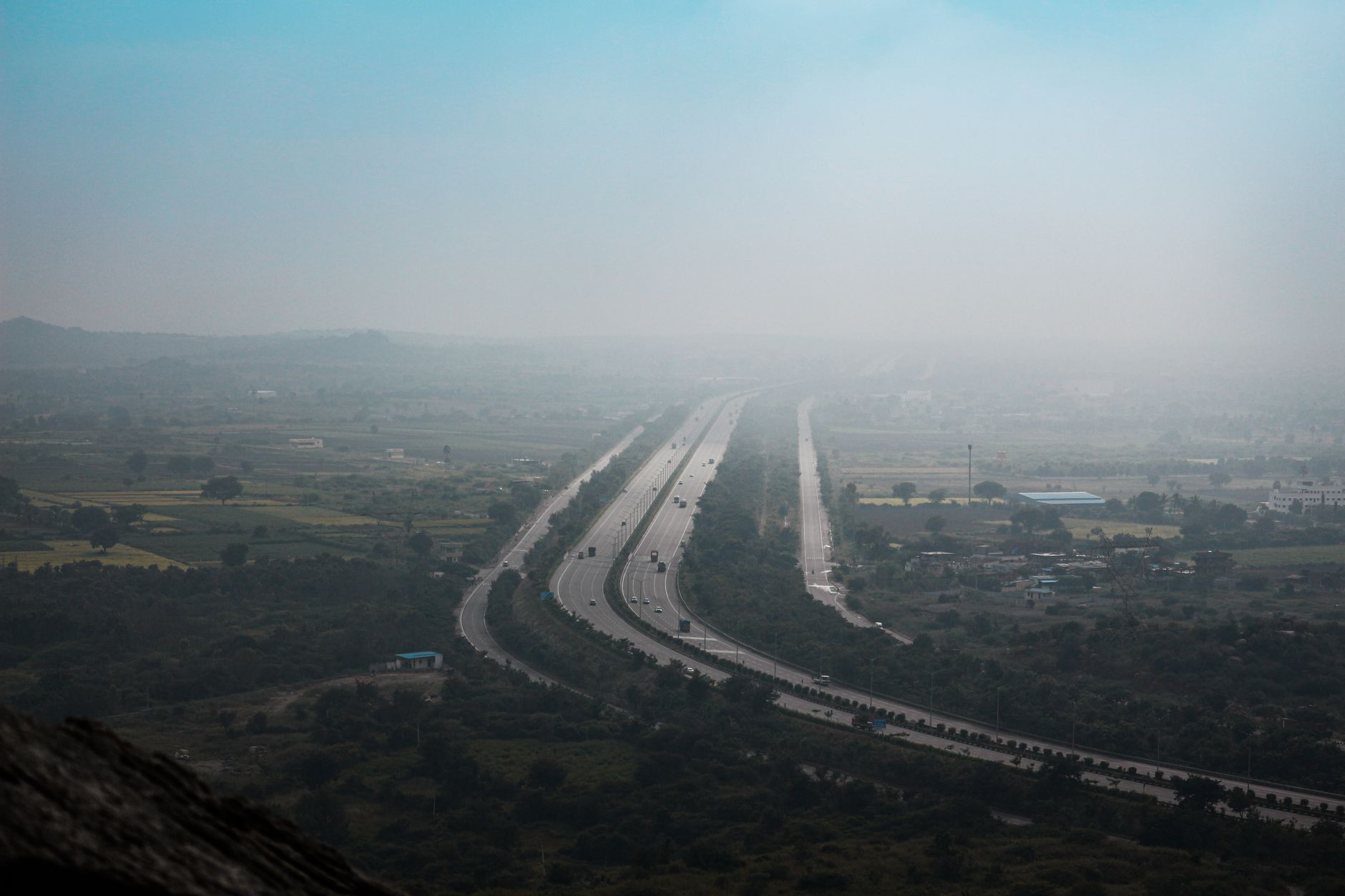
The Indian government's ambitious ₹7,597 crore national highway expansion project in northern Telangana is set to become a game-changer for the region's travel, tourism, and economic landscape. The comprehensive upgrade of National Highway 63 (NH-63) and National Highway 563 (NH-563) will dramatically improve connectivity across one of India's most strategically important yet underserved regions.
Understanding the Project Scope
This massive infrastructure initiative focuses on widening, strengthening, and modernizing two critical highway corridors that serve as lifelines for northern Telangana. NH-63 connects several important districts and serves as a vital link between Telangana and neighboring states, while NH-563 provides crucial east-west connectivity across the region. The project includes lane expansion, construction of bypasses around congested towns, improved drainage systems, better road signage, and enhanced safety features including crash barriers and improved lighting.
The investment reflects the government's recognition that quality road infrastructure is fundamental to unlocking regional economic potential. For travelers, the expansion means reduced journey times, improved safety, and more comfortable travel experiences across a region that has historically struggled with inadequate road connectivity.
Impact on Pilgrimage Tourism
Northern Telangana is home to numerous significant religious sites that attract millions of pilgrims annually. The Yadadri Temple, Komuravelli Mallanna Temple, and various ancient Buddhist sites draw devotees from across India. Currently, poor road conditions and long travel times discourage many potential visitors and create difficulties for those who do make the journey.
The highway expansion will transform the pilgrimage experience in several ways:
- Reduced travel time from major cities like Hyderabad to key temple towns by 30-40 percent
- Improved safety for bus travel, particularly during festival seasons when pilgrim traffic peaks
- Better roadside amenities including rest stops, fuel stations, and emergency services
- Enhanced last-mile connectivity to religious sites previously difficult to reach
- Creation of multi-modal transport hubs connecting highways with local transportation
This improved accessibility is expected to significantly boost religious tourism revenues, benefiting not just large temple complexes but also thousands of small businesses including hotels, restaurants, and local shops that depend on pilgrim spending.
Economic Growth and Trade Facilitation
Beyond tourism, the highway expansion addresses critical trade and logistics challenges. Northern Telangana produces significant agricultural output, including rice, cotton, and various horticultural products. However, poor road infrastructure has historically meant higher transportation costs, longer transit times, and increased post-harvest losses for farmers.
The upgraded highways will create more efficient supply chains connecting agricultural production areas with processing centers and markets. Manufacturers and industrial units will benefit from reduced logistics costs and improved access to both raw materials and consumer markets. This is particularly important for the region's growing pharmaceutical, textile, and food processing industries.
The project is also expected to catalyze development along the highway corridors. Improved connectivity typically attracts investment in warehousing, logistics parks, and manufacturing facilities. Towns along these routes will likely see increased commercial activity, job creation, and urban development.
Broader Regional Development
The highway expansion fits into the larger vision of balanced regional development across Telangana. Northern districts have historically lagged behind Hyderabad and the state's southern regions in terms of infrastructure and economic opportunities. This investment signals governmental commitment to reducing regional disparities.
Better highways will improve access to education and healthcare by making it easier for students to reach universities and patients to access specialized medical facilities in larger towns. The construction phase itself will generate substantial employment, while the completed infrastructure will create lasting economic opportunities.
Timeline and Implementation
While specific completion timelines depend on various factors including land acquisition, environmental clearances, and construction challenges, such large-scale highway projects typically take three to five years from commencement to completion. The project will likely be executed in phases, with priority sections completed first to deliver early benefits to travelers and businesses.
The transformation of northern Telangana's highway infrastructure represents more than just road construction—it's an investment in regional prosperity, cultural connectivity, and improved quality of life for millions of residents and travelers. As these highways take shape, the region stands poised for an era of accelerated growth and development.