India's tourism sector has experienced remarkable growth in recent years, with domestic and international arrivals reaching unprecedented levels. However, this surge has brought an unwelcome companion: a growing problem of irresponsible tourist behaviour that threatens the very attractions drawing visitors to the country.
The Scale of the Problem
From the pristine valleys of Himachal Pradesh to the historic monuments of Rajasthan, reports of tourist misbehaviour have become increasingly common. Littering at popular destinations, vandalism of heritage sites, and disrespectful conduct at religious and cultural landmarks have sparked nationwide concern about whether India's tourism infrastructure and visitor education can keep pace with the boom.
The issue manifests in various forms. Plastic waste accumulates in hill stations, graffiti mars ancient monuments, and overcrowding damages fragile ecosystems. Social media has amplified the problem, with viral videos showing tourists engaging in dangerous stunts, disturbing wildlife, or desecrating sacred spaces for the perfect photograph.
Popular Destinations Under Pressure
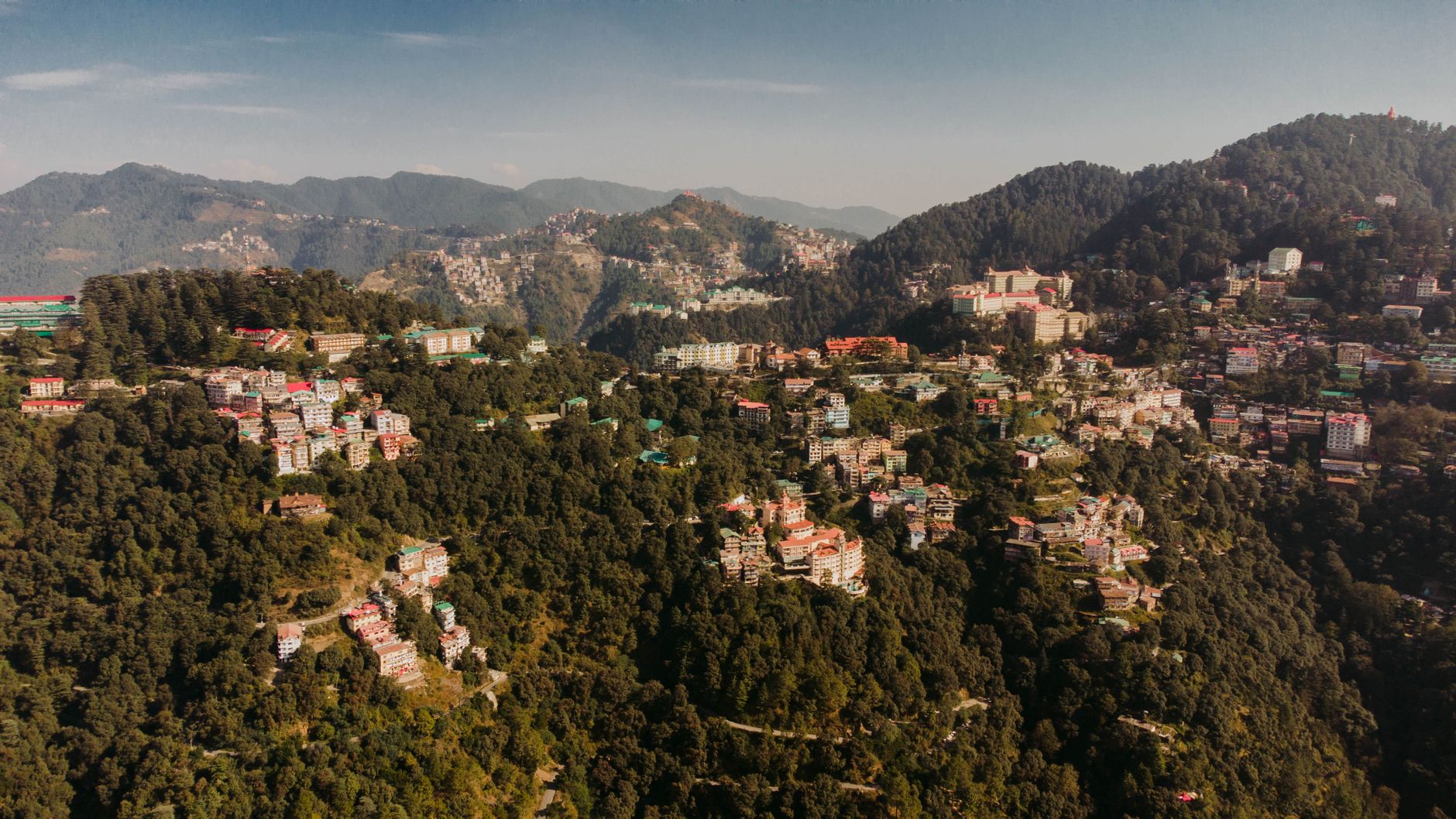
Hill stations like Manali, Shimla, and Mussoorie report tonnes of non-biodegradable waste left behind by tourists during peak season. The pristine beaches of Goa and the Andaman Islands struggle with plastic pollution. Even revered sites like the Taj Mahal have had to implement stricter regulations after instances of vandalism and inappropriate behaviour.
The northeastern states, increasingly popular for their natural beauty, face particular challenges. Remote areas with limited waste management infrastructure become dumping grounds, while fragile mountain ecosystems suffer from unregulated trekking and camping.
Environmental and Cultural Impact
The environmental consequences are severe. Plastic waste chokes waterways, damages marine life, and creates long-term pollution in areas lacking proper waste disposal systems. Wildlife habitats face disruption as tourists venture into restricted zones, feed animals, or create noise pollution.
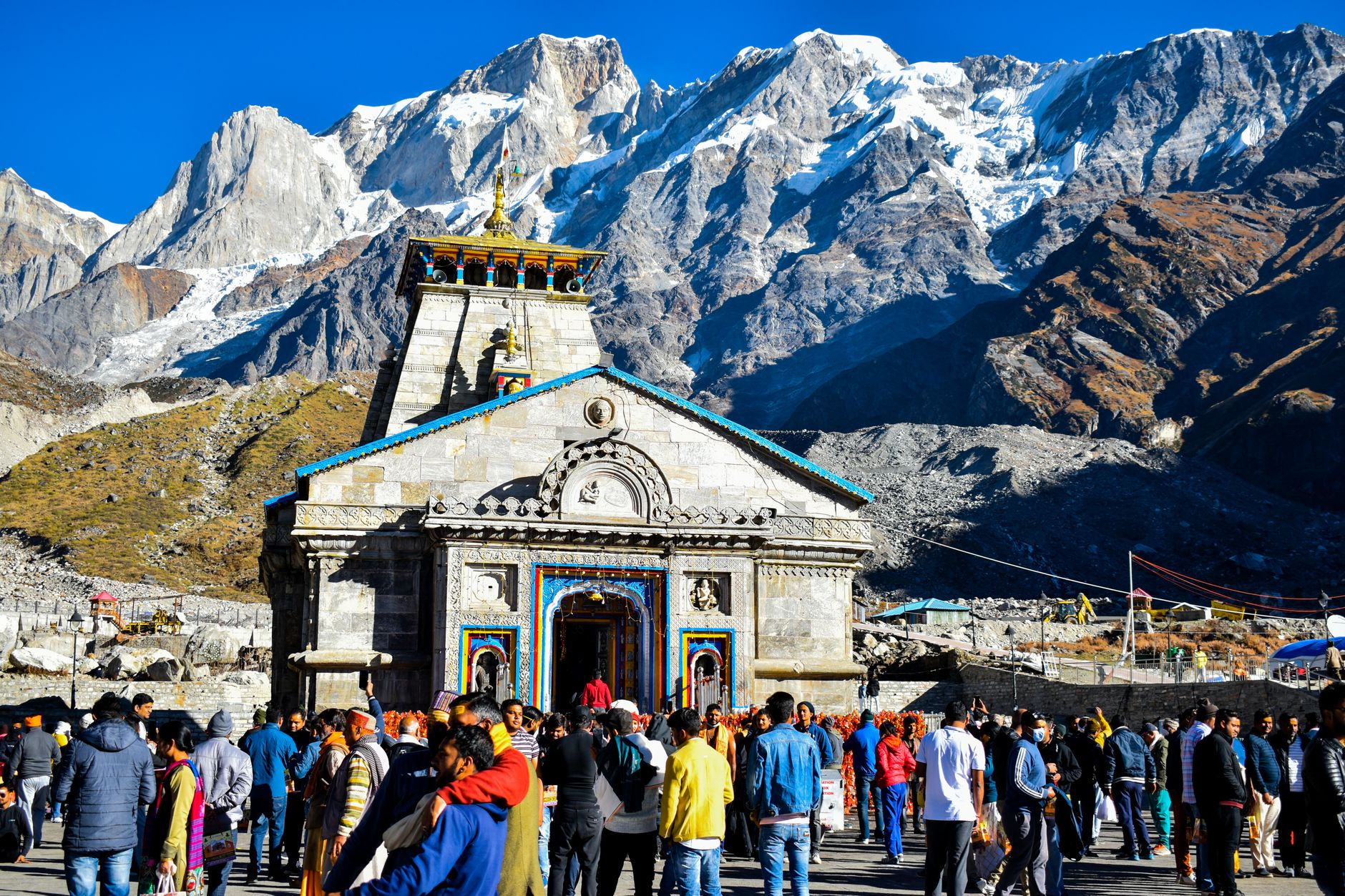
Cultural heritage suffers equally. Archaeological sites experience wear from excessive foot traffic and deliberate damage. Religious sites report instances of inappropriate clothing, photography in restricted areas, and behaviour that offends local sensibilities and traditions.
The Economic Paradox
This situation creates a troubling paradox. Tourism contributes significantly to India's economy, generating employment and supporting local businesses. The government actively promotes campaigns like "Incredible India" to attract more visitors. Yet unchecked, irresponsible tourism could destroy the very assets that make destinations attractive, ultimately harming long-term economic prospects.
Local communities dependent on tourism find themselves caught between welcoming visitors for economic benefit and protecting their environment and cultural heritage from degradation.
Current Measures and Challenges
Various state governments and local authorities have implemented measures to address the crisis. These include:
- Plastic bans in sensitive areas like Ladakh and several hill stations
- Entry restrictions and visitor caps at popular monuments and national parks
- Mandatory registration systems for trekkers and campers
- Increased fines for littering and vandalism
- Deployment of additional security and monitoring at heritage sites
However, enforcement remains inconsistent. Limited staff, inadequate infrastructure for waste management, and the sheer volume of tourists make comprehensive monitoring difficult.
The Path Forward
Addressing this challenge requires a multi-pronged approach. Education plays a crucial role—both for domestic tourists unfamiliar with sustainable travel practices and international visitors unaware of local customs and environmental sensitivities.
Social media campaigns highlighting responsible tourism can leverage the same platforms that often showcase irresponsible behaviour. Schools and colleges can incorporate environmental awareness and cultural sensitivity into curricula.
Infrastructure development must accompany tourism promotion. Destinations need adequate waste management systems, clear signage in multiple languages, and accessible facilities that reduce the temptation to litter or damage surroundings.
Community involvement is essential. Local populations should have a voice in tourism planning and benefit directly from visitor spending, creating stakeholders invested in sustainable practices.
A Collective Responsibility
The responsibility for preserving India's tourism assets extends to everyone. Tour operators must educate clients, hotels should promote eco-friendly practices, and travellers themselves must recognise their impact.
Technology offers solutions too. Mobile apps can guide responsible travel, while social media can shame bad behaviour and celebrate good practices. Digital payment systems for eco-taxes and monument fees can fund conservation efforts.
India's tourism potential remains enormous, but realising it sustainably requires immediate action. The choice is clear: implement responsible tourism practices now, or risk losing the natural beauty and cultural heritage that make India an incredible destination.