India's home automation industry is experiencing a remarkable transformation, with market analysts projecting substantial growth through 2032. As more Indian households embrace connected devices and intelligent systems, the smart home sector is becoming one of the fastest-growing segments in the country's technology landscape.
Understanding Home Automation in India
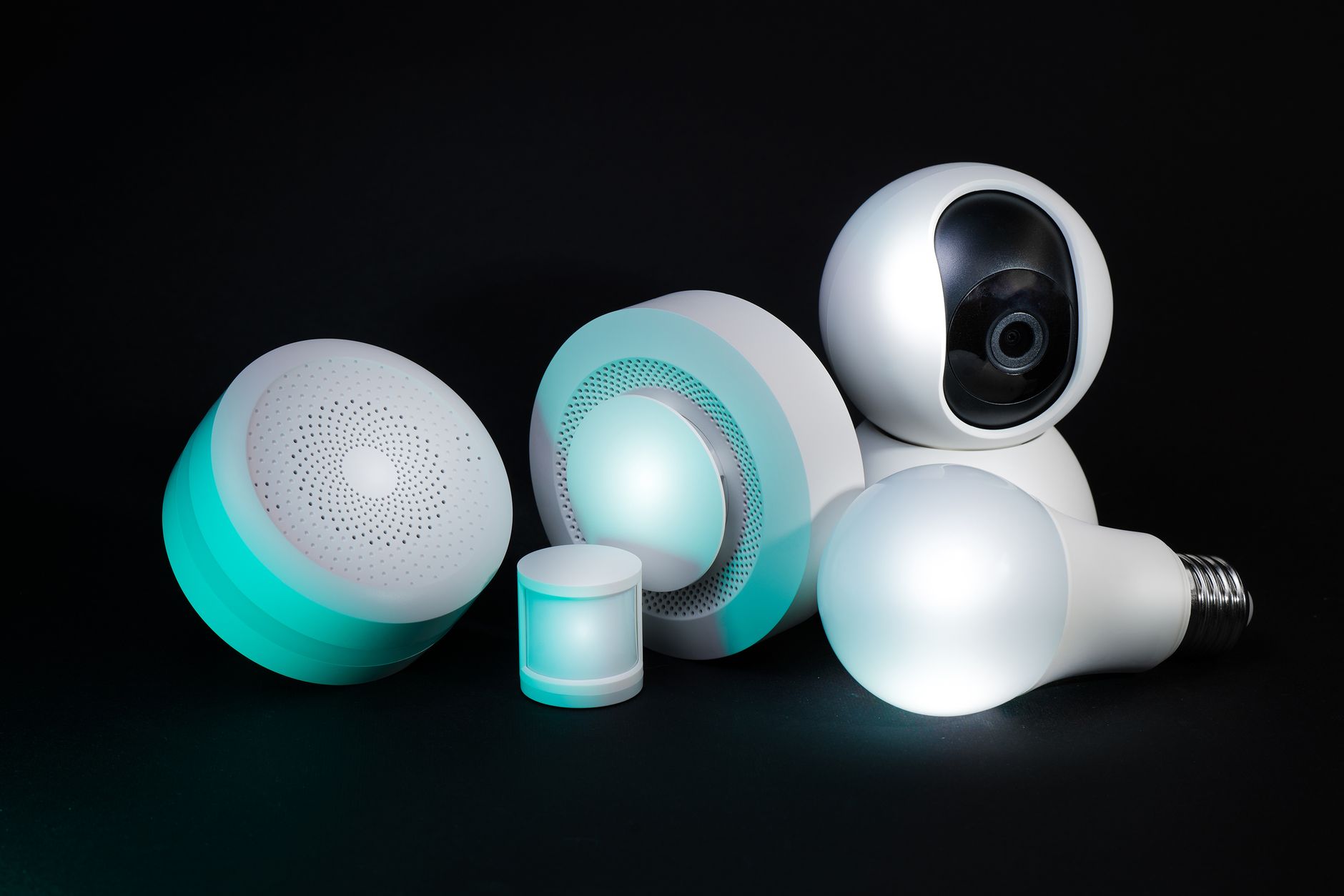
Home automation refers to the use of technology to control household systems and appliances automatically or remotely. From smart lighting and thermostats to security cameras and voice-activated assistants, these systems are designed to make homes more convenient, efficient, and secure.
In India, the adoption of smart home technology has accelerated particularly among urban millennials and Gen Z homeowners who are comfortable with technology and seek convenience in their daily lives. The COVID-19 pandemic further boosted interest as people spent more time at home and became more conscious of energy efficiency and security.
Key Drivers Fuelling Market Growth
Several factors are propelling the expansion of India's home automation market. Rising disposable incomes, especially among the middle and upper-middle class, have made smart devices more accessible. The cost of technology has also decreased significantly, bringing these solutions within reach of a broader consumer base.
Rapid urbanisation is another critical factor. As more Indians move to cities and live in apartments and gated communities, integrated smart home systems are becoming standard features in new residential projects. Developers are increasingly offering pre-installed automation solutions as selling points for premium properties.
Improved internet connectivity, particularly the widespread availability of affordable 4G and the rollout of 5G networks, has created the infrastructure necessary for smart home devices to function seamlessly. The government's Digital India initiative has also played a role in building digital literacy and encouraging technology adoption.
Popular Smart Home Technologies
The Indian market has shown particular enthusiasm for certain categories of smart home products:
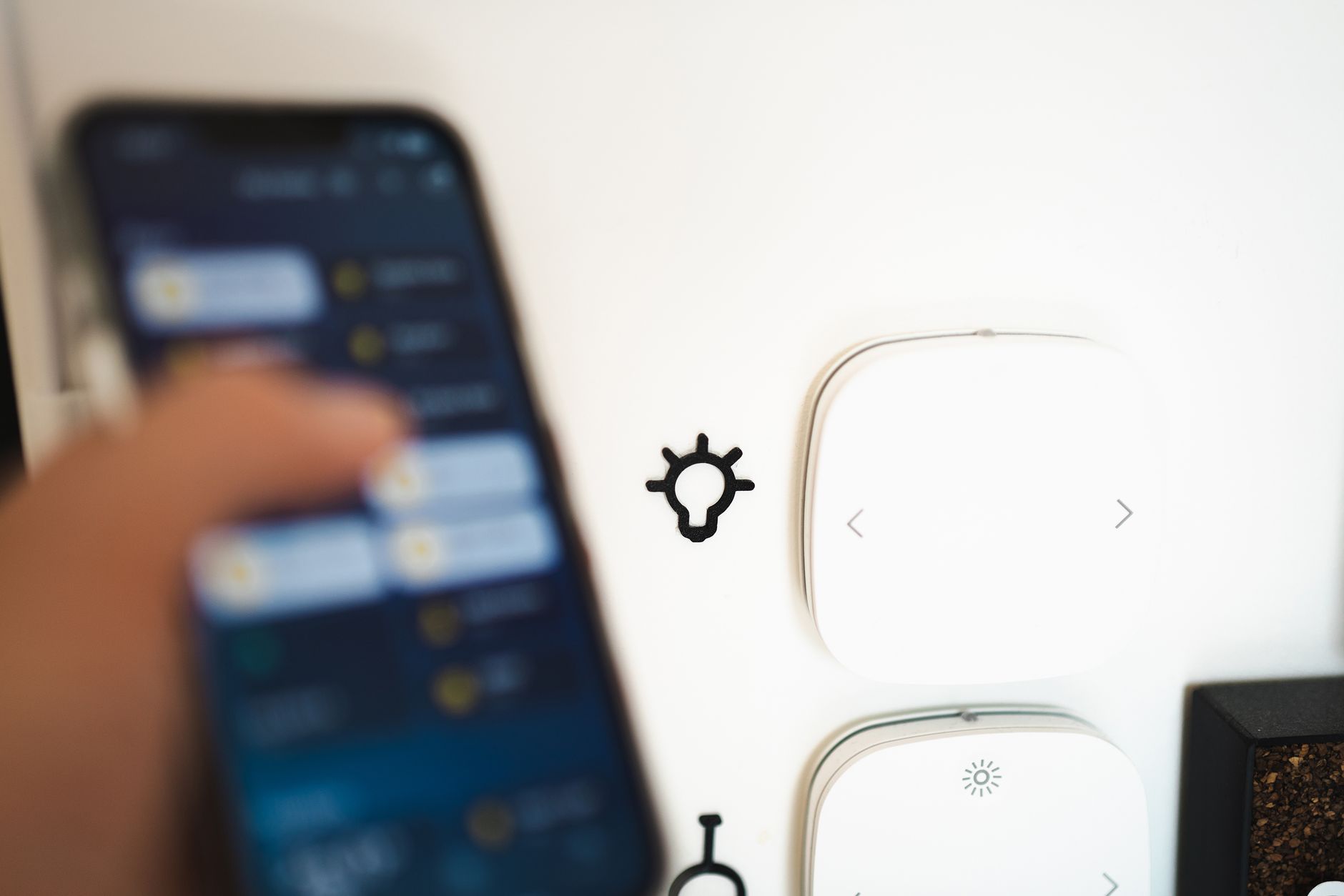
- Smart lighting systems that can be controlled via smartphones or voice commands
- Intelligent security solutions including smart locks, video doorbells, and surveillance cameras
- Voice-activated assistants from major tech companies
- Smart thermostats and air conditioning controllers for energy management
- Automated curtains and blinds
- Smart kitchen appliances including refrigerators, washing machines, and cooking devices
- Entertainment systems with integrated streaming and multi-room audio
Challenges Facing the Industry
Despite promising growth projections, the home automation sector in India faces several hurdles. Awareness remains limited in tier-2 and tier-3 cities, where many consumers are still unfamiliar with the benefits of smart home technology.
Installation complexity and the lack of standardisation across different brands can create compatibility issues, frustrating consumers who want devices from multiple manufacturers to work together seamlessly. Privacy and data security concerns also weigh on potential buyers who worry about connected devices being vulnerable to hacking.
The initial investment required for comprehensive home automation can be substantial, deterring budget-conscious consumers. Additionally, the need for reliable internet connectivity and power supply can be a constraint in areas with infrastructure challenges.
Future Outlook and Opportunities
The next decade promises significant innovation in India's smart home space. Artificial intelligence and machine learning will make systems more intuitive, learning user preferences and automating routines without manual programming. Integration with renewable energy solutions, particularly solar power, will become more common as sustainability concerns grow.
The concept of smart cities being developed across India will naturally incorporate home automation standards, creating ecosystems where residential, commercial, and municipal systems work in harmony. Regional language support in voice assistants and interfaces will also expand the market beyond English-speaking urban consumers.
For homeowners considering smart home investments, experts suggest starting small with a few key devices and gradually expanding the system. Focusing on solutions that address specific needs—whether security, energy savings, or convenience—ensures better returns on investment.
As prices continue to decline and awareness spreads, home automation is transitioning from a luxury to a standard feature in Indian households. The market's trajectory through 2032 suggests that smart homes will become increasingly common across the country, fundamentally changing how Indians interact with their living spaces.
This article is for general informational purposes only. Consumers should research specific products thoroughly and consider their individual needs and budget constraints before investing in home automation systems.