The Indian home automation market is on a remarkable growth trajectory, transforming from a luxury reserved for the affluent to an increasingly accessible option for middle-class households. As smart home technology becomes more affordable and awareness grows, millions of Indian homes are set to embrace automated living solutions over the next decade.
Understanding Home Automation
Home automation refers to the use of technology to control and automate household systems and appliances. This includes lighting, climate control, security systems, entertainment devices, kitchen appliances, and more. Through smartphones, voice assistants, or centralized control panels, homeowners can manage their living spaces with unprecedented ease and efficiency.
In the Indian context, home automation has evolved beyond basic remote-controlled devices to encompass integrated ecosystems that learn user preferences, optimize energy consumption, and enhance home security.
Key Drivers of Market Growth
Several factors are propelling the expansion of home automation in India. Rising disposable incomes among urban middle-class families have made smart home devices more attainable. The proliferation of affordable smartphones and reliable internet connectivity, particularly 4G and increasingly 5G networks, has created the infrastructure necessary for smart home adoption.
Energy efficiency concerns are also significant. With electricity costs rising and environmental awareness growing, Indian consumers are attracted to automation systems that promise reduced power consumption through intelligent scheduling and monitoring. Smart thermostats, automated lighting systems, and energy monitoring devices help households cut utility bills substantially.
The COVID-19 pandemic accelerated this trend as people spent more time at home and prioritized comfort, security, and contactless control of their environments. Work-from-home arrangements made home offices a priority, driving demand for better connectivity and automated environments.
Popular Home Automation Solutions in India
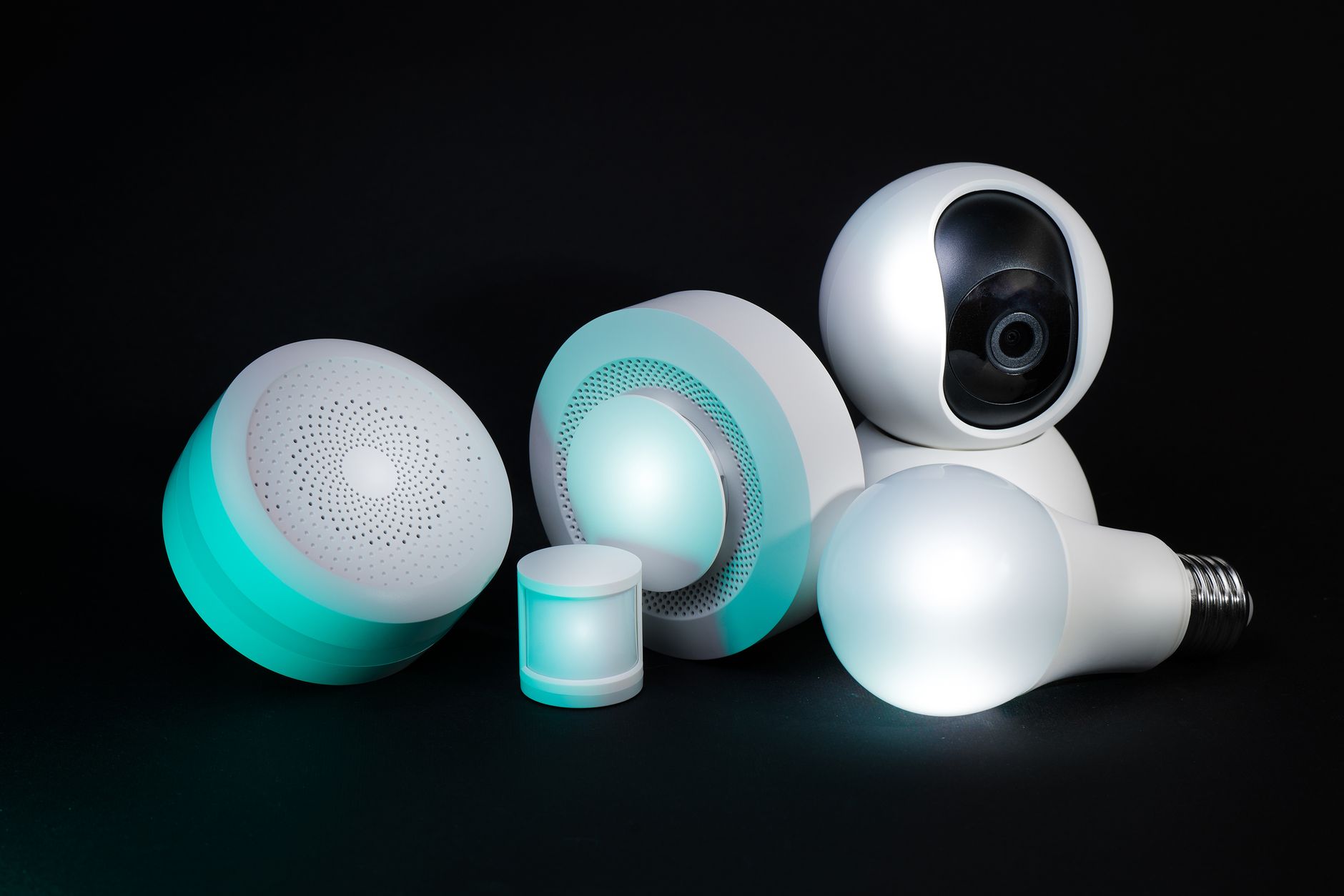
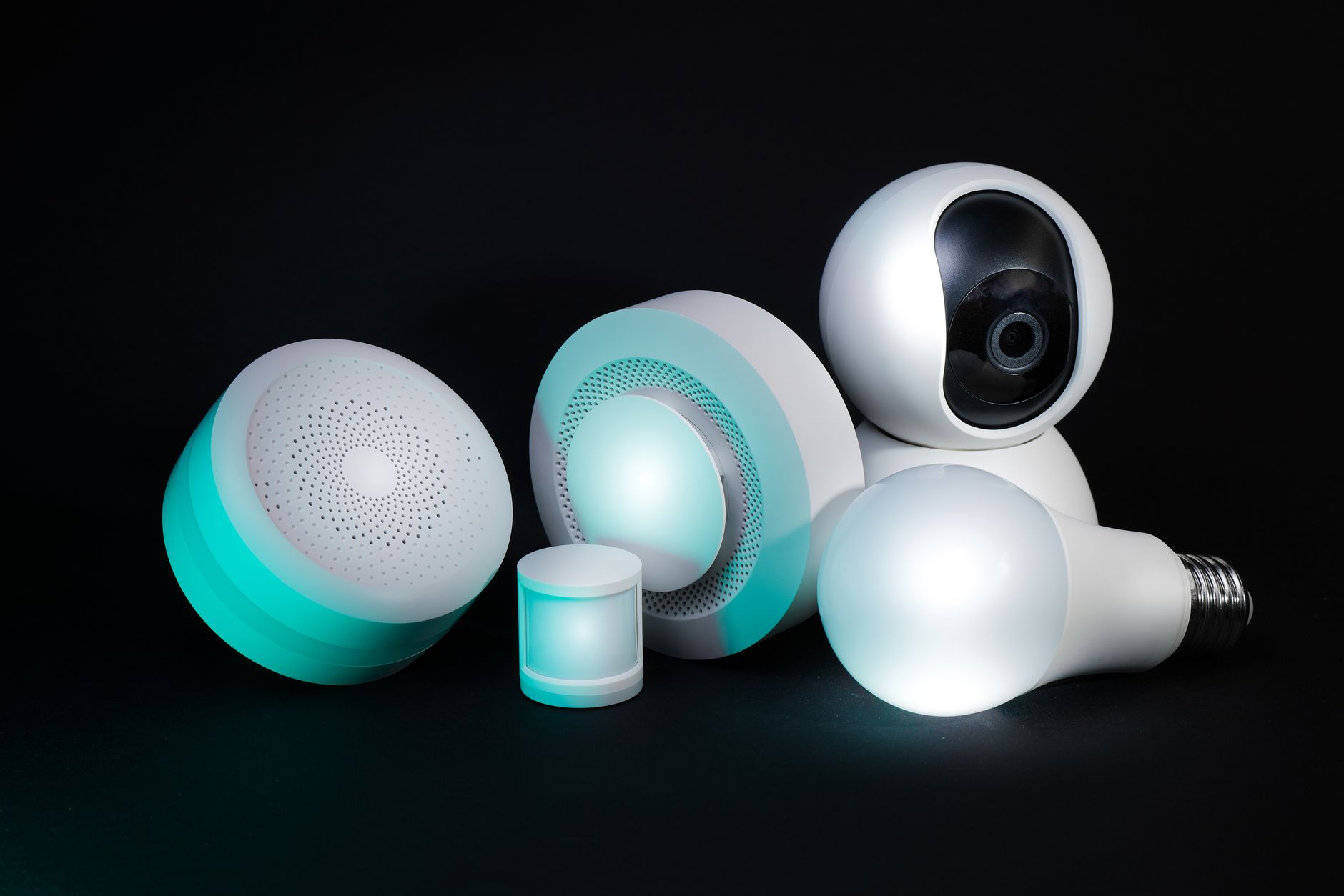
Indian consumers are gravitating toward specific categories of smart home products. Smart lighting systems, which allow users to control brightness, color, and scheduling through apps, have become entry-level automation products for many households. Brands offering affordable smart bulbs and switches have seen tremendous uptake.
Security and surveillance systems represent another major segment. Smart doorbells with video capabilities, automated locks, CCTV cameras with mobile monitoring, and intrusion detection systems appeal to safety-conscious Indian families, particularly in metropolitan areas.
Voice-activated assistants have gained substantial traction. Devices from global players and Indian companies alike are being integrated into homes for controlling various appliances, playing music, providing information, and managing daily routines.
Climate control automation, including smart air conditioners and fans that adjust based on room occupancy and temperature, addresses India's extreme weather conditions while promising energy savings.
Challenges Facing the Market
Despite robust growth projections, several obstacles remain. Price sensitivity continues to be a significant barrier, especially in tier-2 and tier-3 cities where traditional alternatives are far cheaper. While costs are declining, the initial investment for comprehensive home automation remains substantial for average Indian households.
Interoperability issues plague the market, with devices from different manufacturers often unable to communicate seamlessly. This fragmentation can frustrate consumers seeking integrated solutions.
Limited awareness and technical knowledge also hinder adoption. Many potential customers remain unfamiliar with the benefits of home automation or feel intimidated by the technology. Installation and maintenance concerns, particularly regarding the availability of trained technicians, add to consumer hesitation.
Data privacy and cybersecurity concerns are emerging as important considerations. As homes become more connected, vulnerabilities to hacking and unauthorized access grow, making robust security protocols essential.
The Road Ahead
The future of India's home automation market appears promising. As manufacturing scales up and competition intensifies, prices are expected to decline further, bringing smart home solutions within reach of more households. Government initiatives promoting digitalization and smart cities will likely create favorable conditions for market expansion.
Integration of artificial intelligence and machine learning will make systems more intuitive and personalized. Regional language support and localized product features will enhance accessibility across diverse Indian markets.
The combination of technological advancement, growing consumer awareness, expanding internet infrastructure, and rising aspirations for modern living standards positions India as one of the fastest-growing home automation markets globally. For homeowners considering the shift to smart living, the coming years promise more options, better affordability, and increasingly sophisticated solutions tailored to Indian needs and preferences.