India has renewed its pledge to eliminate cervical cancer as a public health problem, with Union Health Minister JP Nadda emphasizing the government's multi-pronged approach to achieving this ambitious goal. The commitment aligns with the World Health Organization's global strategy to eliminate cervical cancer by 2030, marking a significant milestone in women's healthcare in the country.
Understanding Cervical Cancer in India
Cervical cancer remains one of the most common cancers affecting Indian women, with approximately 120,000 new cases diagnosed annually. Despite being one of the most preventable and treatable forms of cancer when detected early, it continues to claim around 67,000 lives each year in India. The disease primarily affects women in their reproductive years, making it not just a health crisis but also a socio-economic challenge for families across the nation.
The cancer is caused predominantly by persistent infection with high-risk types of Human Papillomavirus (HPV), a sexually transmitted infection. However, with proper screening and vaccination programs, nearly all cases of cervical cancer can be prevented.
The Three-Pillar Strategy
India's approach to cervical cancer elimination follows the WHO's 90-70-90 targets by 2030:
- 90% of girls fully vaccinated with HPV vaccine by age 15
- 70% of women screened using a high-performance test by age 35 and again by age 45
- 90% of women identified with cervical disease receive treatment
This comprehensive strategy addresses prevention, early detection, and treatment, ensuring women receive support at every stage of their healthcare journey.
HPV Vaccination Campaign
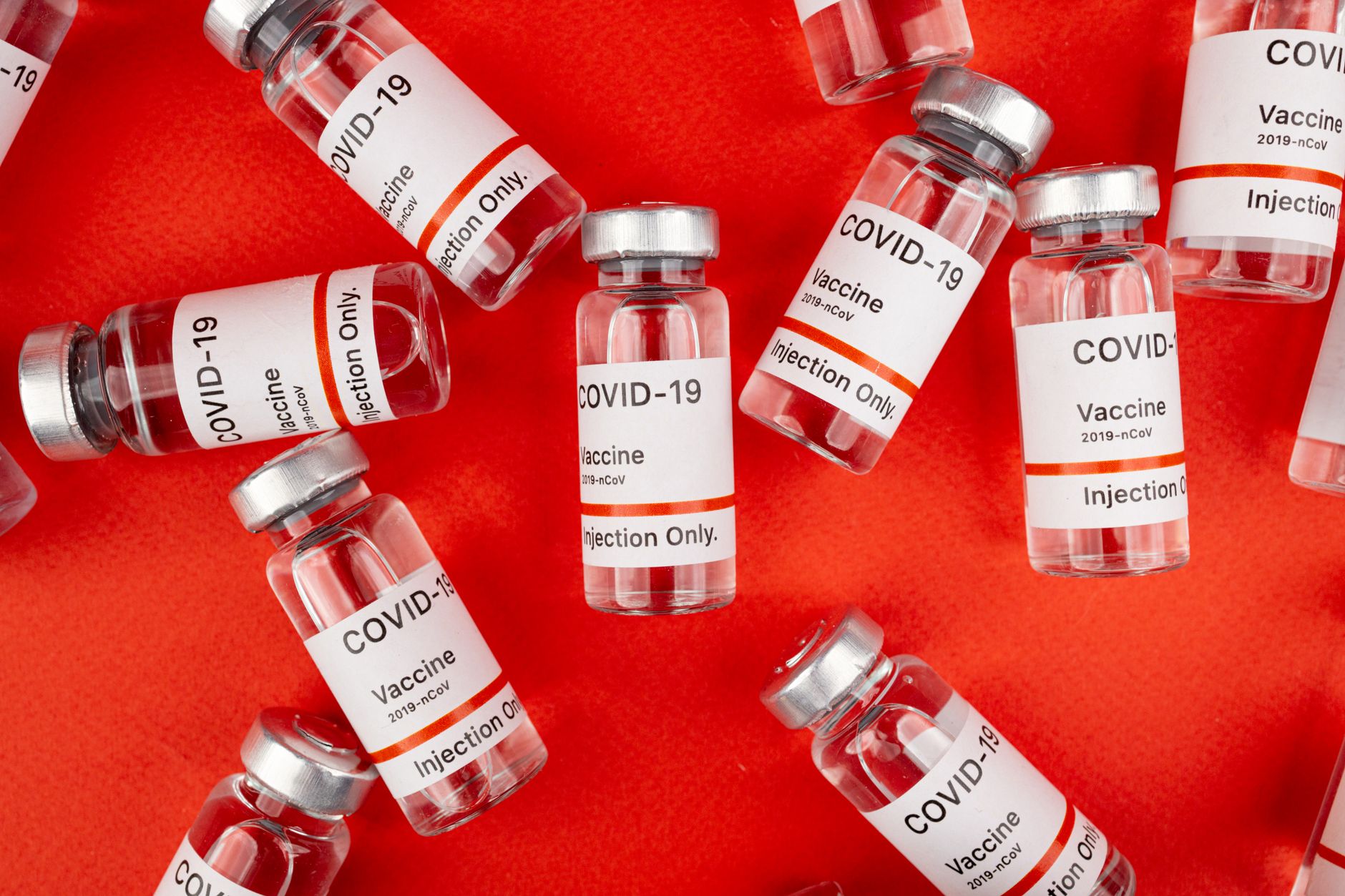
One of the cornerstone initiatives is the introduction and expansion of HPV vaccination programs. The government has been working to make the HPV vaccine accessible to girls in the target age group of 9-14 years, which is the most effective window for immunization before potential exposure to the virus.
The indigenous development of HPV vaccines has been a game-changer, making vaccination more affordable and accessible across the country. By incorporating the vaccine into routine immunization programs, India aims to protect future generations from this preventable disease.
Screening and Early Detection
Expanding screening coverage remains a critical challenge, particularly in rural and underserved areas where access to healthcare facilities is limited. The government has been strengthening screening programs through:
- Integration of cervical cancer screening with existing health programs
- Training healthcare workers at primary health centers to conduct VIA (Visual Inspection with Acetic Acid) tests
- Introducing HPV DNA testing in select regions for more accurate detection
- Leveraging technology for telemedicine consultations and result interpretation
Mobile health units and community outreach programs are being deployed to reach women in remote villages, ensuring that geographical barriers do not prevent access to life-saving screening services.
Treatment Infrastructure
For women diagnosed with cervical cancer, ensuring timely access to quality treatment is paramount. The government has been upgrading cancer treatment facilities across district hospitals and medical colleges, establishing dedicated oncology units with radiation therapy and chemotherapy capabilities.
Tertiary care centers are being strengthened to handle advanced cases, while partnerships with private healthcare providers help expand treatment capacity. Financial protection schemes like Ayushman Bharat provide coverage for cancer treatment, reducing the economic burden on families.
Challenges and the Road Ahead
Despite these initiatives, several challenges remain. Awareness about cervical cancer and its preventability is still low in many communities, leading to delayed diagnosis. Cultural taboos and lack of education about reproductive health often prevent women from seeking timely screening.
Healthcare infrastructure gaps, particularly the shortage of trained personnel and diagnostic facilities in rural areas, need continuous investment. Ensuring vaccine supply chain integrity and maintaining cold chain facilities for vaccine storage across the vast Indian geography requires sustained effort.
Community Participation
Success in eliminating cervical cancer depends heavily on community engagement and awareness campaigns. Healthcare workers, particularly ASHA workers and Anganwadi workers, play a crucial role in educating women about prevention, breaking myths, and encouraging participation in screening programs.
Schools and educational institutions are being involved in spreading awareness about HPV vaccination, helping parents make informed decisions about their daughters' health.
India's renewed commitment to eliminating cervical cancer represents a significant step toward improving women's health outcomes and reducing preventable deaths. With sustained political will, adequate resource allocation, and active community participation, the goal of making cervical cancer a disease of the past is within reach.
This article is for general informational purposes only and does not constitute medical advice. Please consult qualified healthcare professionals for personalized guidance on cervical cancer prevention, screening, and treatment.