India's transportation landscape is experiencing unprecedented change as the government and private sector invest heavily in modernizing the way people and goods move across the vast nation. From high-speed rail corridors to digital payment systems and improved road networks, the mobility revolution is touching every corner of the country.
The Infrastructure Push
The Indian government has committed substantial resources to upgrading transportation infrastructure over the past decade. The National Infrastructure Pipeline envisions investments worth trillions of rupees in roads, railways, airports, and ports. This ambitious plan aims to position India as a global logistics hub while improving connectivity for its 1.4 billion citizens.
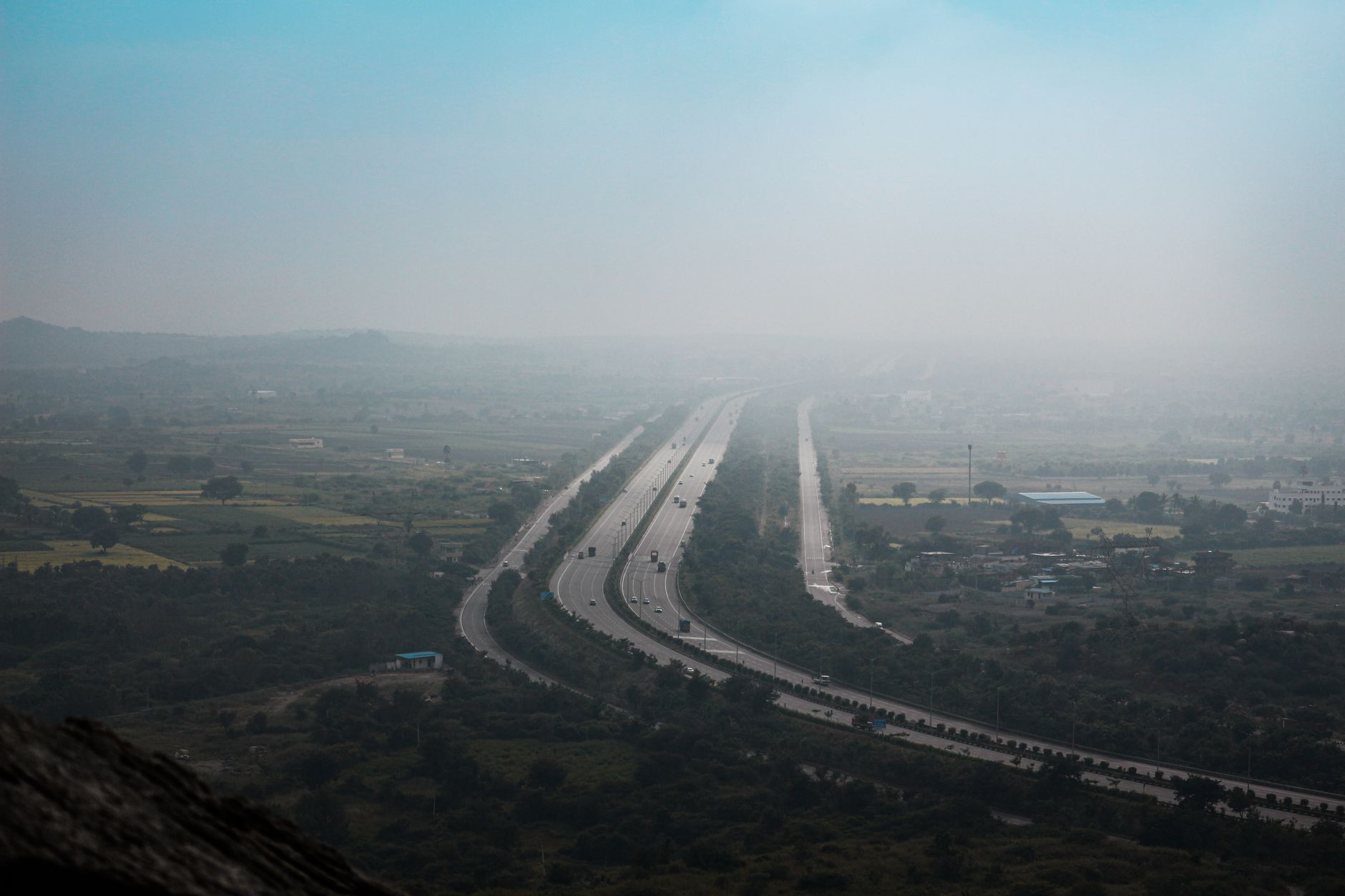
Expressways and national highways are being expanded at record pace, with several multi-lane corridors reducing travel time between major cities. The Delhi-Mumbai Expressway, Bharatmala Pariyojana, and various state-level highway projects are cutting journey times and improving road safety standards across the nation.
Railway Modernization
Indian Railways, one of the world's largest railway networks, is undergoing comprehensive modernization. The introduction of Vande Bharat Express trains represents a shift toward semi-high-speed rail travel with improved passenger amenities. Station redevelopment projects are transforming railway stations into modern transit hubs with retail spaces, waiting lounges, and enhanced passenger facilities.
The dedicated freight corridors being developed between major economic centers promise to decouple freight and passenger traffic, allowing faster movement of goods while freeing up passenger train capacity. This separation is expected to boost both logistics efficiency and passenger service quality.
Aviation Expansion
India's aviation sector has witnessed remarkable growth, with new airports opening in tier-2 and tier-3 cities under the UDAN (Ude Desh ka Aam Naagrik) scheme. This regional connectivity initiative aims to make air travel accessible and affordable for people in smaller towns, connecting previously underserved regions to major metropolitan areas.
Major airport upgrades in cities like Mumbai, Delhi, Bengaluru, and Hyderabad have increased capacity and improved passenger experience. The government's push for developing additional airports is expected to support the growing demand for air travel as India's middle class expands.
Digital Transformation
Technology has revolutionized how Indians book and pay for travel. Unified digital platforms allow passengers to book train tickets, flights, and buses through mobile applications. The integration of UPI (Unified Payments Interface) and digital wallets has made cashless travel increasingly common, especially among urban and young travelers.
Real-time tracking systems for trains and buses provide passengers with accurate information about arrivals, delays, and platform changes. This digital transparency reduces uncertainty and improves the overall travel experience.
Metro Networks and Urban Transit
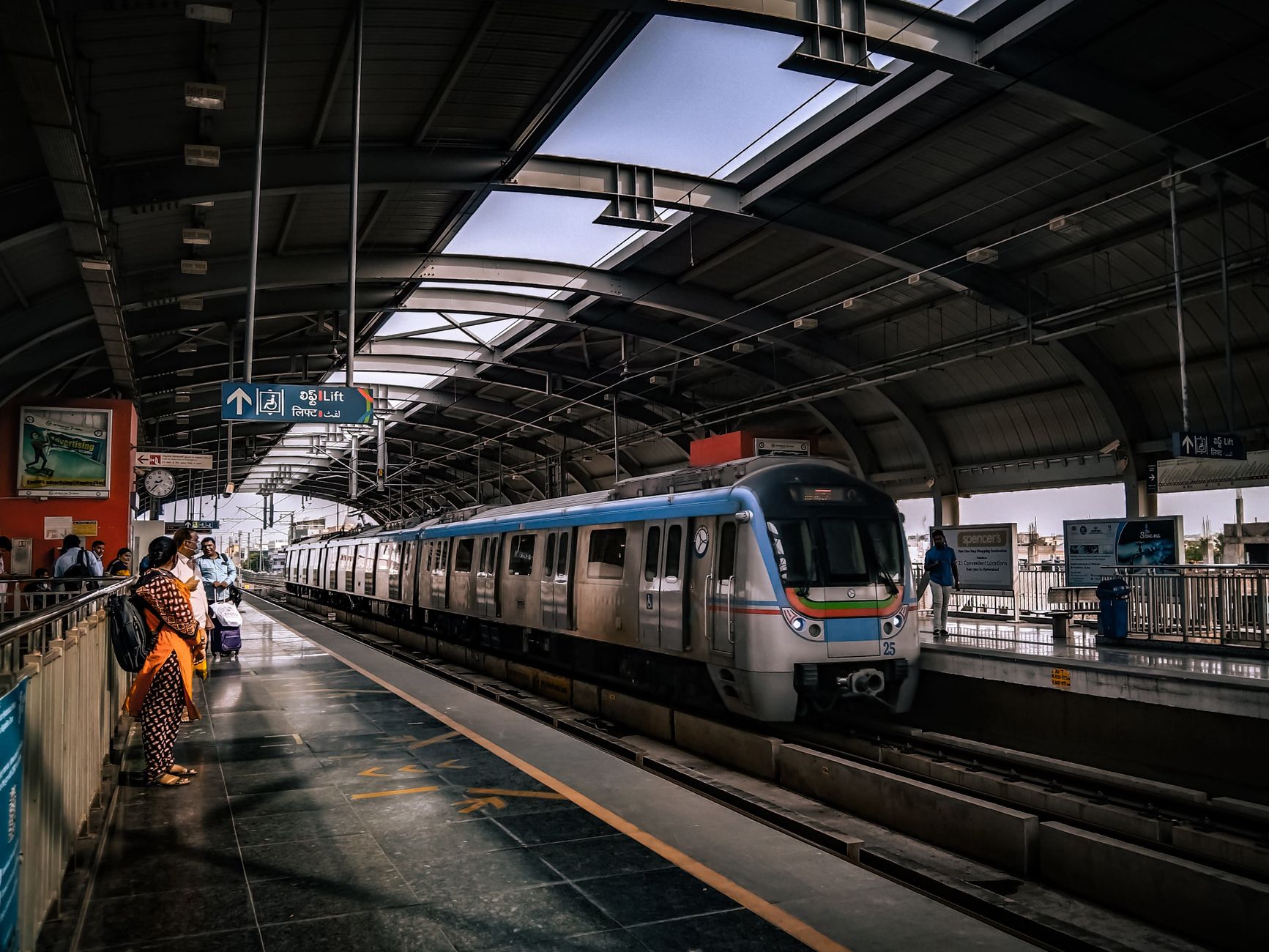
Indian cities are rapidly expanding their metro rail networks to address urban congestion and pollution. Cities like Delhi, Bengaluru, Mumbai, Kolkata, Chennai, and Hyderabad have operational metro systems, while numerous others are in various stages of construction or planning.
These urban rail systems offer fast, reliable, and environmentally friendly alternatives to road transport. They reduce travel times, lower carbon emissions, and provide safe public transportation options, particularly benefiting daily commuters and reducing pressure on road infrastructure.
Challenges Ahead
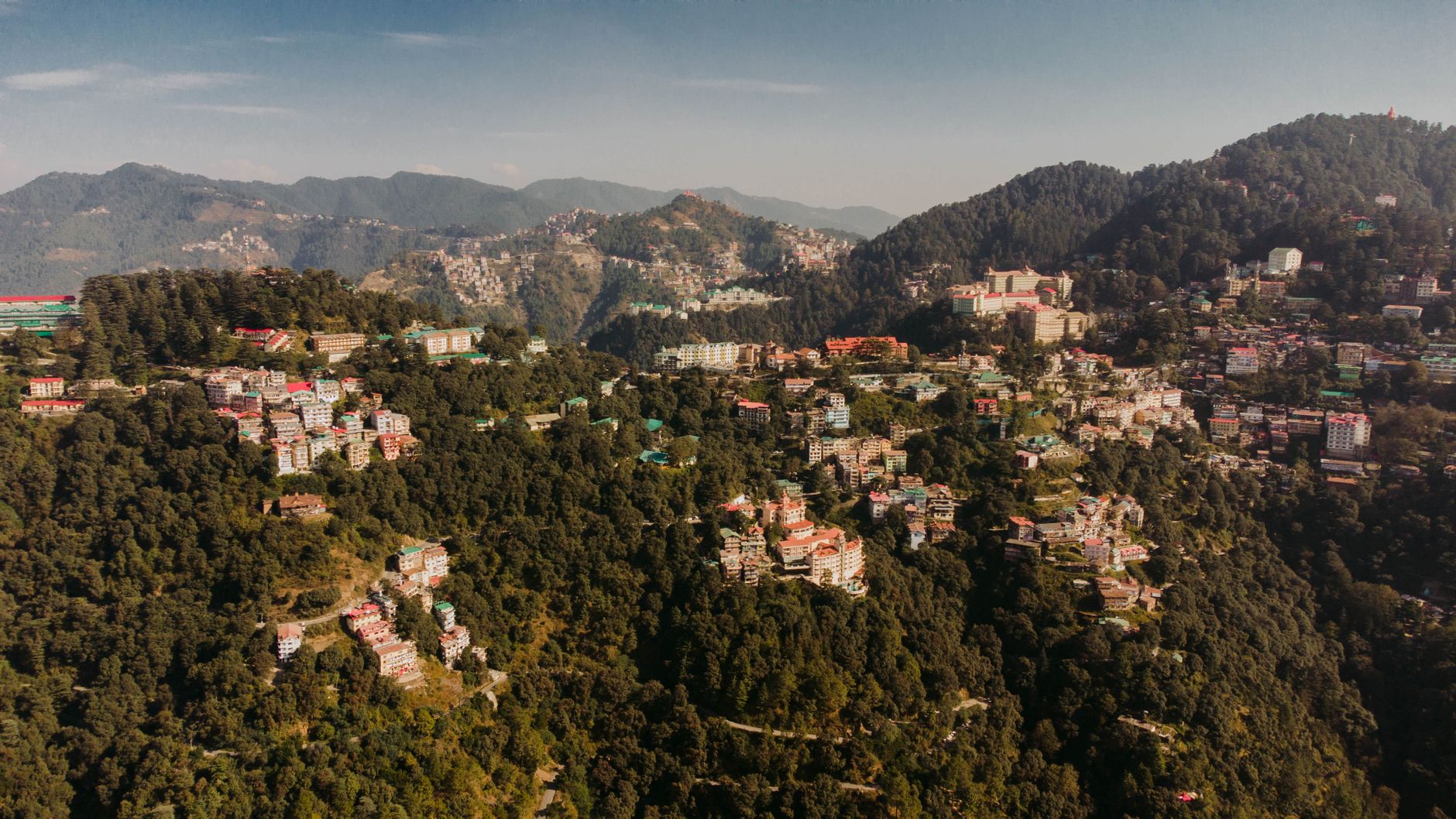
Despite progress, significant challenges remain. Last-mile connectivity continues to be a problem in many areas, with gaps between major transport nodes and final destinations. Rural connectivity, while improving, still lags behind urban infrastructure development.
Safety concerns, particularly on roads where accident rates remain high, require continued attention. Integrating different modes of transport into seamless multimodal networks remains a work in progress, with better coordination needed between railways, roads, and airways.
Economic and Social Impact
Improved transportation infrastructure has far-reaching effects beyond just mobility. Better connectivity opens economic opportunities for rural and semi-urban populations, facilitates trade, reduces logistics costs for businesses, and promotes tourism. It enables access to education and healthcare facilities previously out of reach for many communities.
The transportation sector also generates significant employment, both directly in construction and operations, and indirectly through economic activities enabled by better connectivity.
India's transportation revolution represents a fundamental shift in how the nation moves, promising greater accessibility, efficiency, and economic integration for all its citizens in the years ahead.