India stands at a pivotal moment in its economic journey, and the tourism sector is emerging as a powerful catalyst for transformation. With its rich cultural heritage, diverse landscapes, and growing infrastructure, the country has the potential to position itself as a global tourism powerhouse while simultaneously driving economic growth and employment.
The Current State of Indian Tourism
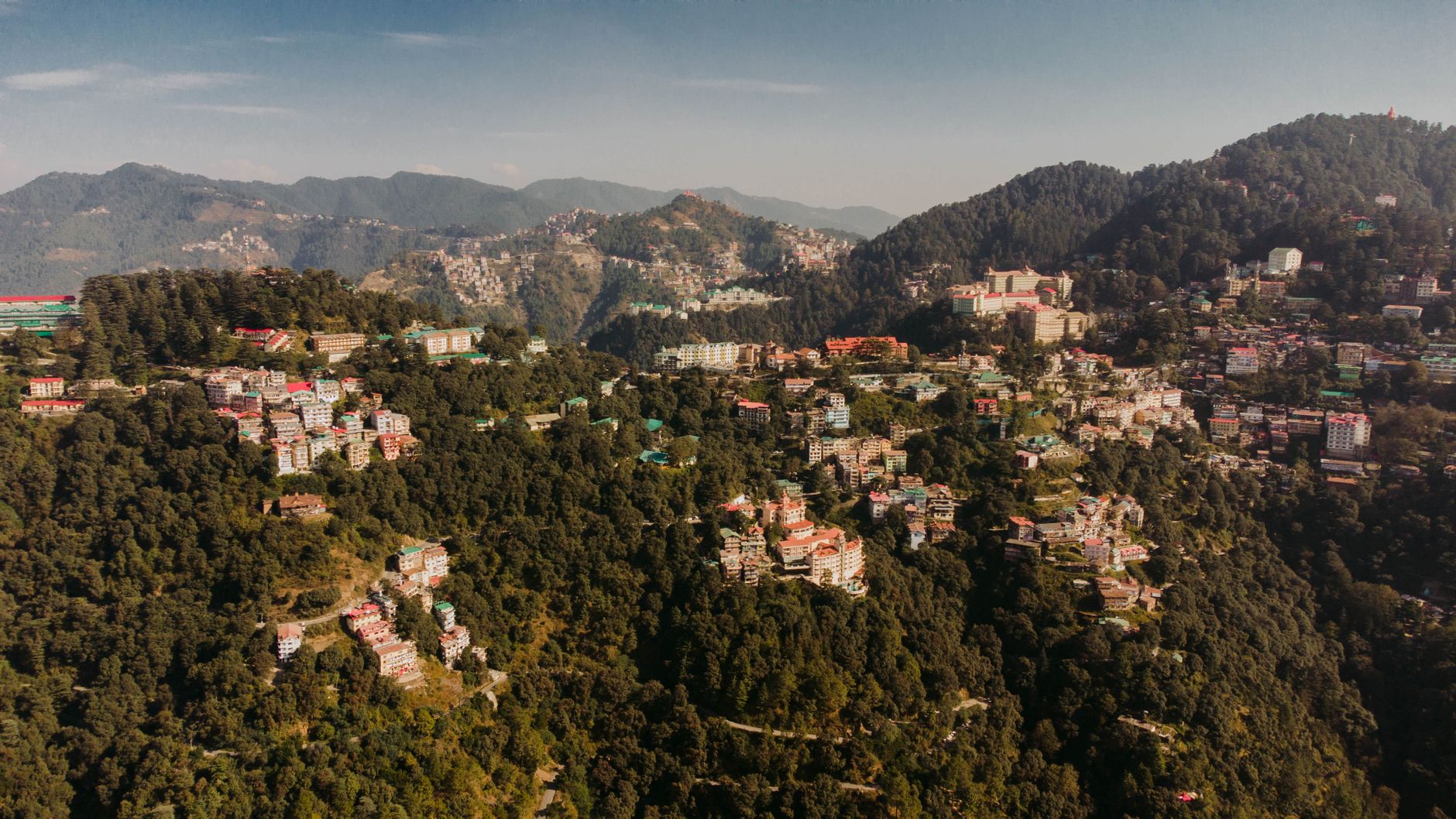
India's tourism industry has shown remarkable resilience and growth potential in recent years. The sector currently contributes approximately 6-7% to the national GDP and employs millions directly and indirectly. From the snow-capped Himalayas to the tropical beaches of Kerala, from ancient monuments to modern cities, India offers an unparalleled diversity of experiences that few countries can match.
International tourist arrivals have been steadily increasing, with travelers from Europe, North America, and neighboring Asian countries showing growing interest. Domestic tourism has also witnessed exponential growth, with the rising middle class increasingly exploring their own country's attractions.
Economic Multiplier Effect
Tourism's impact extends far beyond hotel bookings and ticket sales. The sector creates a ripple effect across multiple industries including transportation, hospitality, handicrafts, food services, and entertainment. For every direct job created in tourism, several indirect employment opportunities emerge in supporting sectors.
Small businesses and local artisans benefit significantly from tourist spending. A thriving tourism ecosystem empowers rural communities, preserves traditional crafts, and creates entrepreneurial opportunities for women and youth. This inclusive growth model makes tourism particularly valuable for a developing economy like India.
Infrastructure Development as a Game Changer
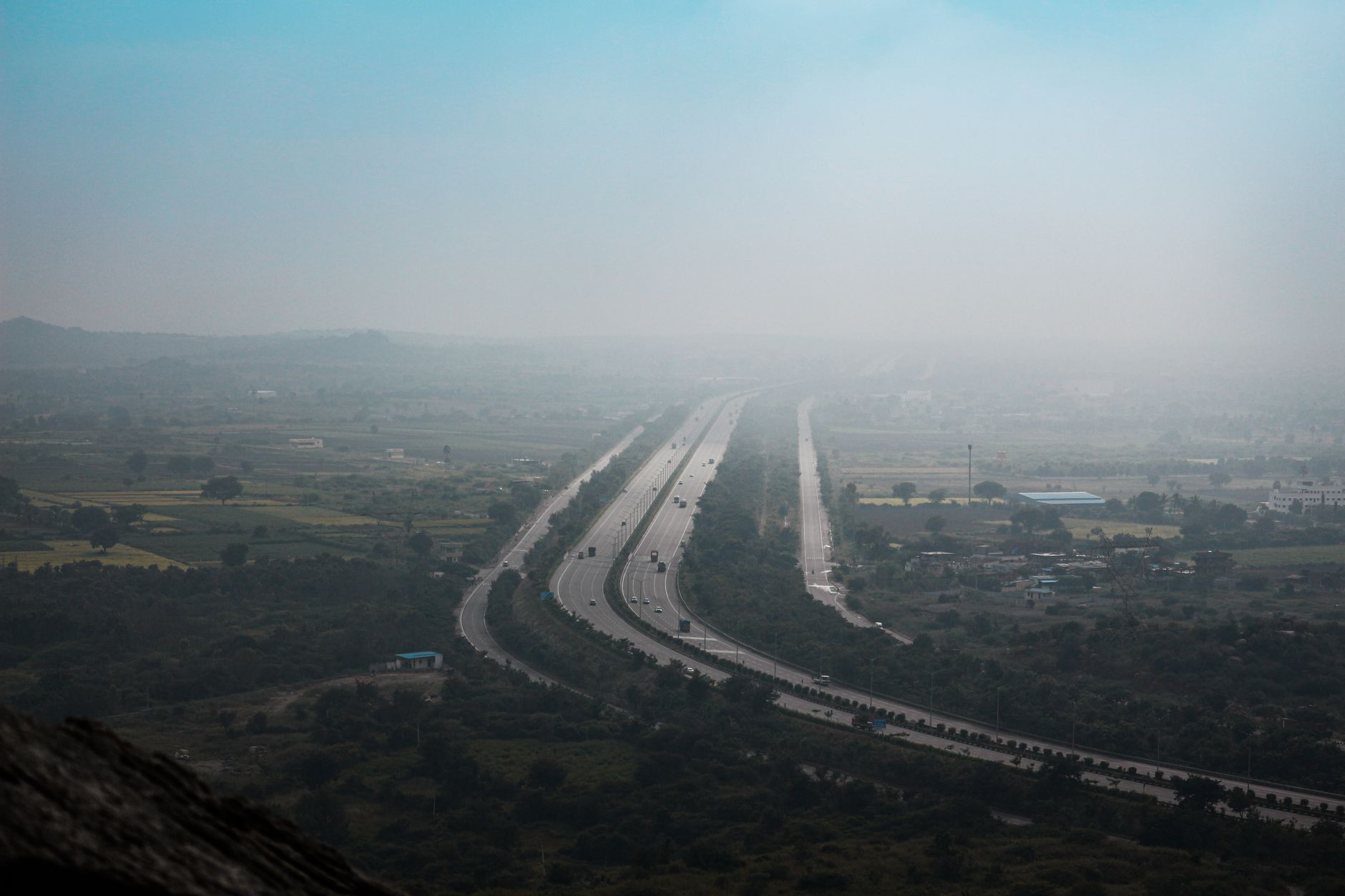
The success of India's tourism ambitions hinges on infrastructure improvements. Recent investments in airports, highways, and railway connectivity have already made destinations more accessible. The development of cruise terminals, expansion of regional airports, and improvement of last-mile connectivity to tourist sites are opening up previously unexplored locations.
Digital infrastructure is equally crucial. Online booking systems, digital payment options, and improved internet connectivity enhance the tourist experience while making India more competitive with established tourism destinations. Smart cities initiatives and heritage site digitization projects are modernizing the sector while preserving cultural authenticity.
Key Areas for Growth
- Medical and wellness tourism, leveraging India's traditional Ayurveda and modern healthcare facilities
- Adventure tourism in mountainous and coastal regions, attracting thrill-seeking international travelers
- Spiritual and pilgrimage tourism, building on India's status as the birthplace of major religions
- MICE tourism (Meetings, Incentives, Conferences, Exhibitions), positioning Indian cities as business destinations
- Eco-tourism and wildlife sanctuaries, appealing to environmentally conscious travelers
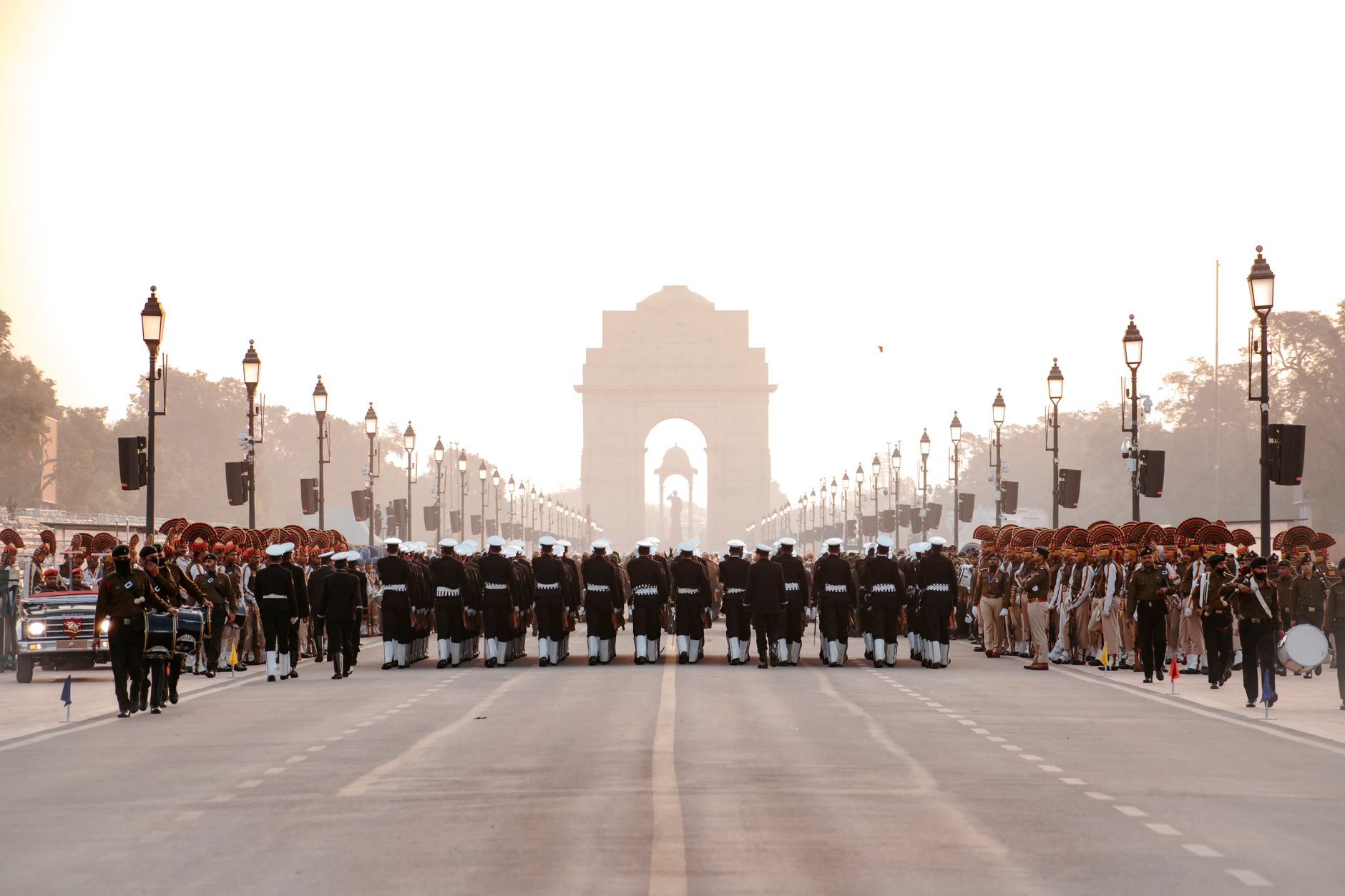
- Heritage tourism, promoting UNESCO World Heritage Sites and lesser-known historical locations
Challenges to Address
Despite its potential, Indian tourism faces several obstacles. Inconsistent service quality, inadequate tourist facilities in some regions, and visa complexities can deter international visitors. Safety concerns, particularly for women travelers, need continuous attention. Environmental sustainability must be prioritized to prevent overtourism from damaging fragile ecosystems and heritage sites.
Skill development in hospitality and tourism management is essential. Training programs must equip workers with language skills, customer service expertise, and cultural sensitivity to meet international standards.
Government Initiatives and Policy Support
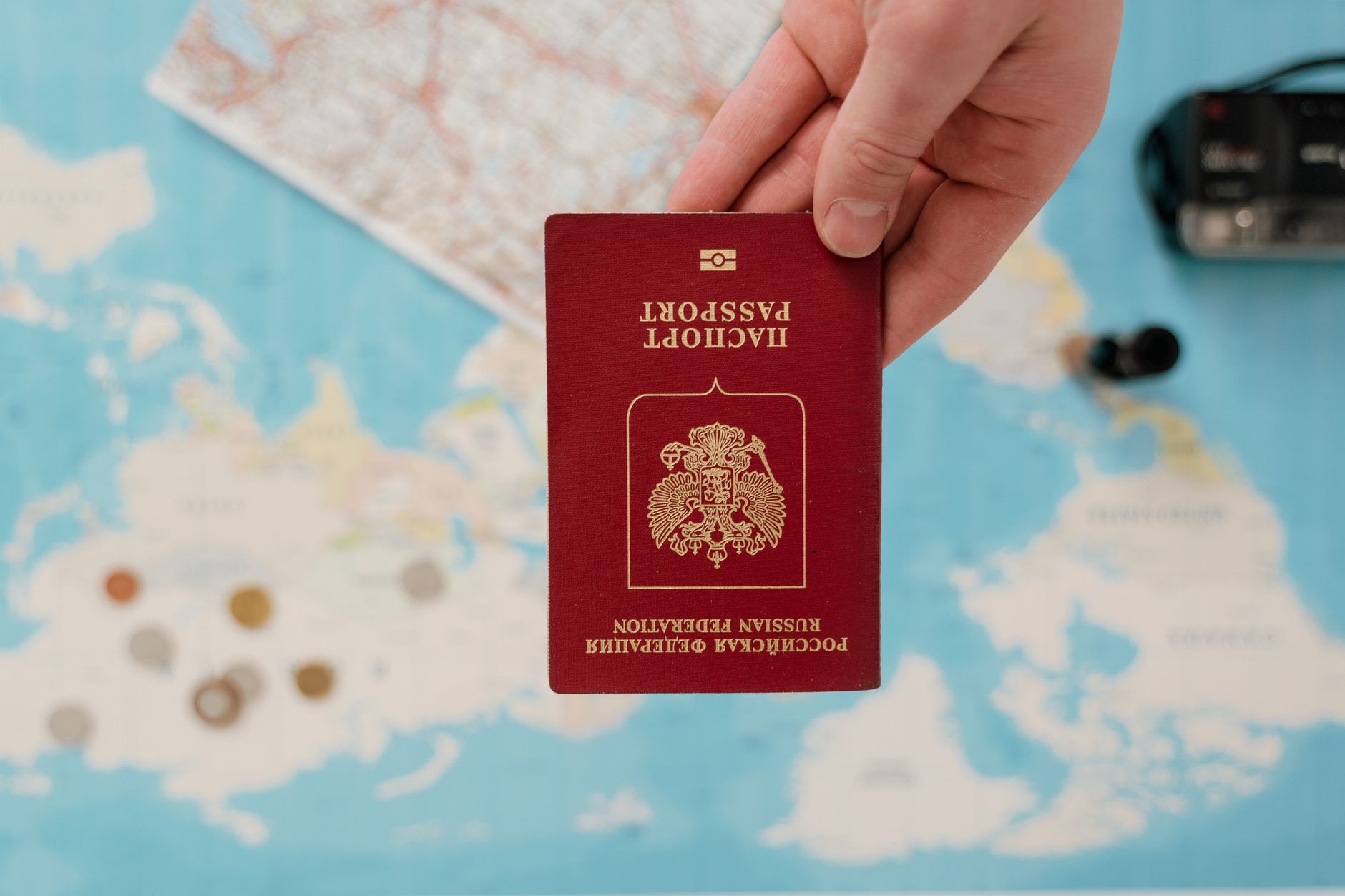
Strategic policy interventions can accelerate tourism growth. Simplified visa processes, including expanded e-visa facilities, make India more accessible. Tax incentives for tourism infrastructure development encourage private investment. Promotional campaigns highlighting India's diversity can reshape global perceptions.
Public-private partnerships can bridge investment gaps while ensuring quality standards. State governments play a crucial role in developing regional tourism circuits and promoting lesser-known destinations, distributing tourist traffic more evenly across the country.
The Path Forward
To unlock tourism's full potential, India needs a comprehensive, long-term strategy. This includes sustainable development practices, investment in human capital, technological adoption, and consistent quality standards. Marketing efforts must position India not just as a budget destination but as a premium, diverse, and memorable experience.
The sector's growth must balance economic benefits with cultural preservation and environmental protection. Responsible tourism practices ensure that heritage sites, natural resources, and local communities thrive alongside the industry's expansion.
With coordinated efforts from government, industry stakeholders, and local communities, tourism can indeed become the engine that propels India toward its next economic milestone, creating prosperity while showcasing the country's incredible diversity to the world.