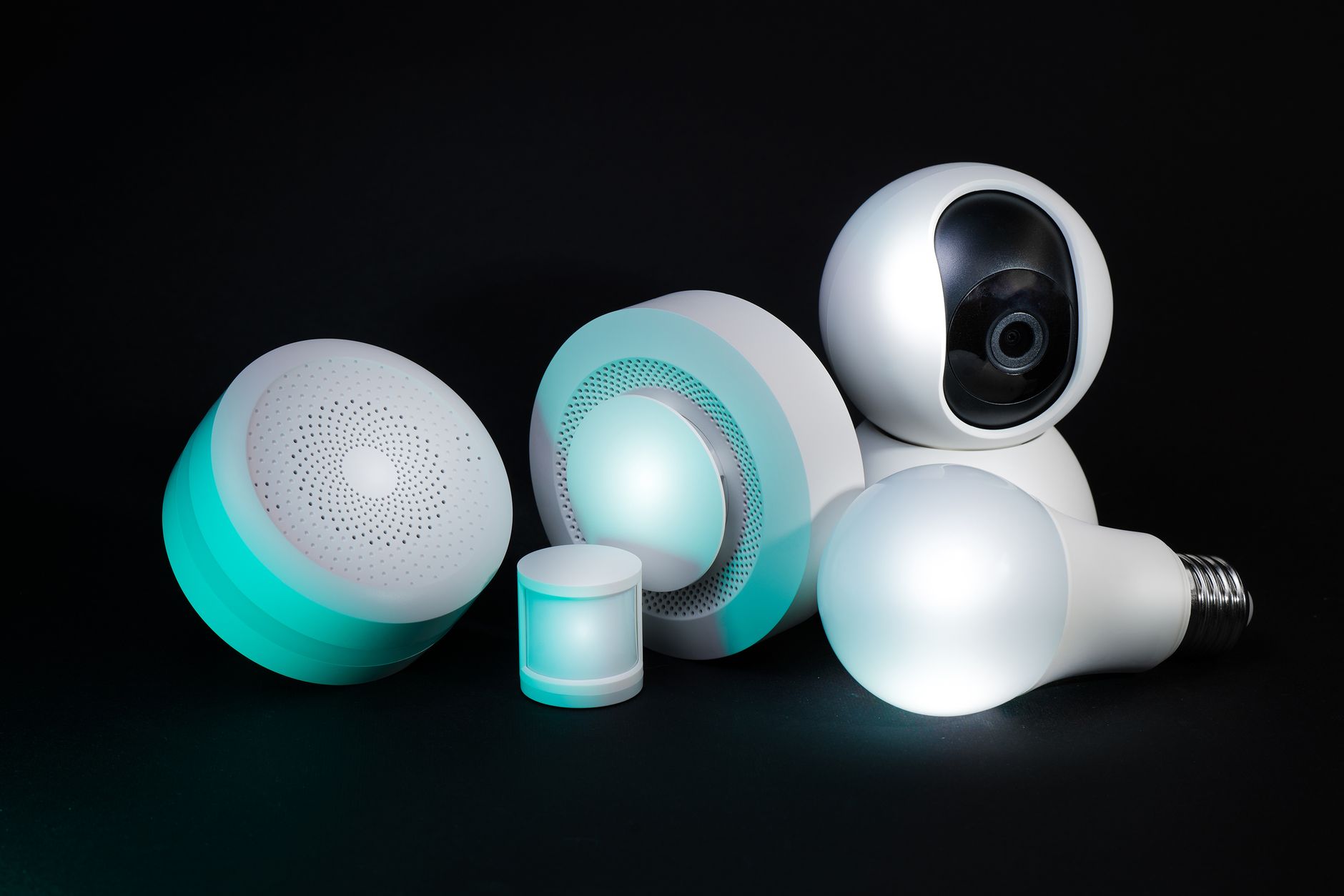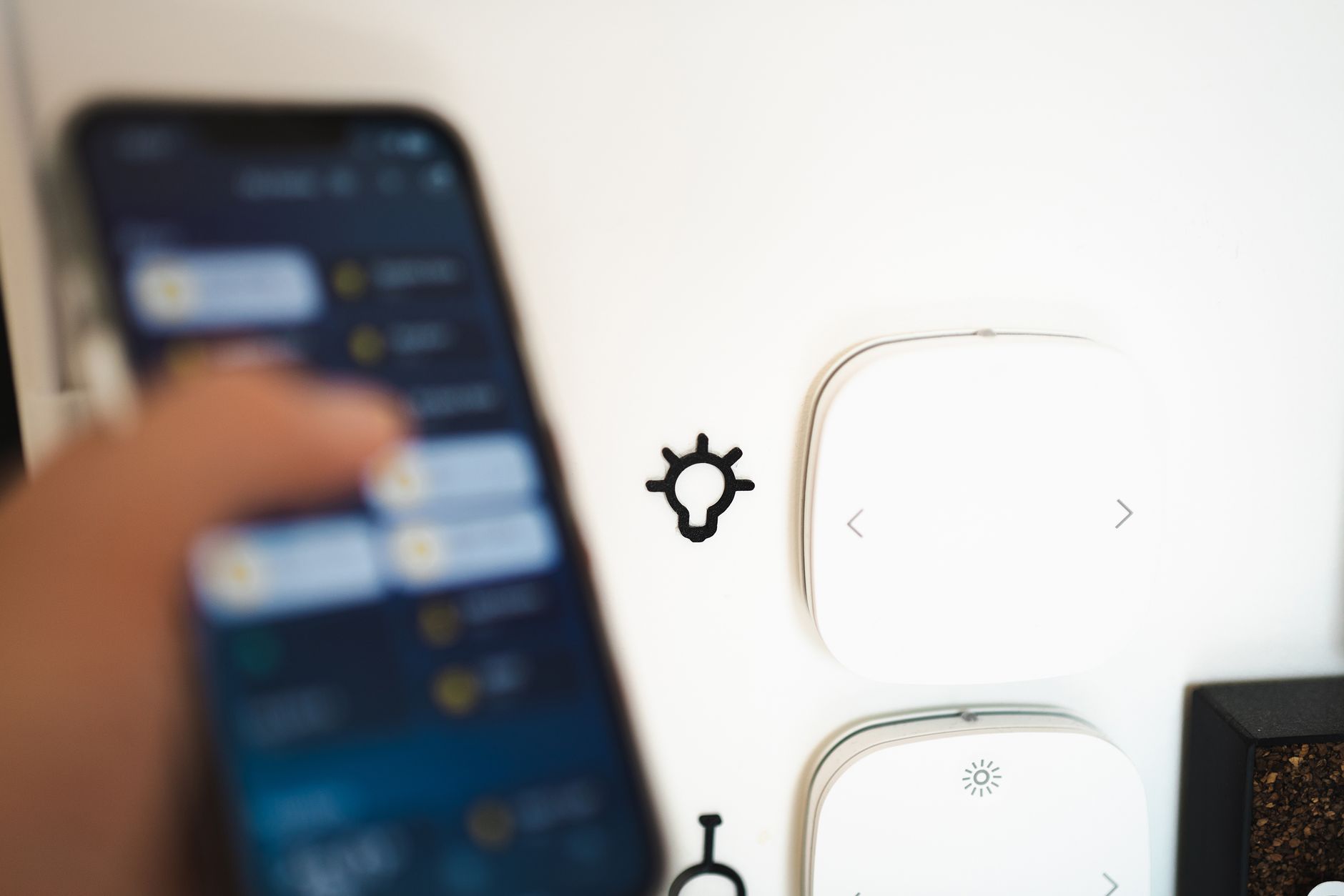
The concept of a "smart home" has evolved from science fiction to everyday reality for millions of Indian households. As technology becomes more accessible and affordable, homeowners across the country are embracing intelligent devices that promise greater convenience, security, and energy savings.
The Smart Home Revolution in India
Smart home technology refers to internet-connected devices that enable automated control and remote management of household systems. The Indian smart home market has witnessed exponential growth, driven by increasing internet penetration, rising disposable incomes, and growing awareness of energy conservation. What was once considered a luxury reserved for premium apartments is now becoming mainstream, with solutions available at various price points.
Key Technologies Reshaping Modern Homes
Voice-activated assistants have become the cornerstone of smart home ecosystems. Devices like Amazon Alexa and Google Assistant allow users to control lights, appliances, thermostats, and entertainment systems through simple voice commands. This hands-free convenience is particularly valuable in Indian kitchens, where multitasking is constant.
Smart lighting systems offer customisable illumination that adapts to different times of day and activities. Homeowners can adjust brightness, colour temperature, and even set schedules to simulate occupancy when away. These systems can reduce electricity consumption by up to 75 percent compared to traditional lighting.
Intelligent climate control has become essential in India's diverse climate zones. Smart thermostats and air conditioning systems learn household patterns and adjust temperatures automatically, ensuring comfort while minimising energy waste. Some advanced systems can be controlled remotely via smartphone apps, allowing homeowners to cool their homes before arriving.
Security and Surveillance Advancements
Home security has been revolutionised by smart technology. Modern systems include video doorbells, motion-sensor cameras, and smart locks that send real-time alerts to homeowners' smartphones. Many Indian households now use facial recognition technology and AI-powered cameras that distinguish between family members, visitors, and potential intruders.
Smart locks eliminate the need for physical keys, offering access through fingerprints, PIN codes, or smartphone apps. This is particularly useful for managing domestic help access or allowing temporary entry for guests without being physically present.
Energy Management and Sustainability
Rising electricity costs and environmental concerns have made energy management a priority for Indian households. Smart meters provide detailed insights into consumption patterns, helping families identify energy-hungry appliances and modify usage habits. Some systems integrate with solar panels and battery storage, optimising renewable energy usage.
Smart plugs and power strips allow remote control of individual appliances, preventing phantom energy drain from devices on standby mode. This simple technology can reduce electricity bills by 10-15 percent without significant lifestyle changes.
Kitchen and Appliance Innovation
The Indian kitchen is experiencing a technological transformation. Smart refrigerators can track inventory, suggest recipes based on available ingredients, and alert users when items are expiring. Intelligent cooking appliances offer guided cooking experiences, adjusting temperatures and times automatically for perfect results.
Water purifiers with IoT connectivity notify homeowners when filters need replacement and can be monitored for quality metrics remotely. In a country where water quality varies significantly, this provides peace of mind for health-conscious families.
Challenges and Considerations
Despite the benefits, smart home adoption faces several challenges in India. Initial costs can be substantial, though prices are declining rapidly. Interoperability between different brands remains an issue, as many devices use proprietary systems that don't communicate seamlessly.
Privacy and data security concerns are valid, as connected devices collect significant information about household routines and behaviours. Cybersecurity measures, including strong passwords and regular software updates, are essential to protect against unauthorised access.
Internet connectivity quality affects smart home performance, and inconsistent broadband or Wi-Fi can limit functionality. Power outages, common in some regions, can disrupt automated systems unless backup solutions are in place.
The Future Outlook
The trajectory of smart home technology points toward greater integration and artificial intelligence. Future systems will anticipate needs rather than merely respond to commands, learning preferences and making proactive adjustments. Integration with electric vehicles, community-wide energy grids, and healthcare monitoring systems will expand the smart home ecosystem beyond traditional boundaries.
As 5G networks expand across India, the speed and reliability of connected devices will improve dramatically, enabling more sophisticated applications. Affordable, locally-manufactured smart devices tailored to Indian needs will accelerate adoption across economic segments.
The transformation of Indian homes through technology represents more than convenience—it signals a fundamental shift toward sustainable, efficient, and responsive living environments that adapt to modern lifestyle demands while addressing practical challenges unique to the Indian context.