The concept of a futuristic home with robot assistants has long captured human imagination. Today, this vision is rapidly becoming reality in Indian households, as robotic technology becomes more affordable, intelligent, and adapted to local needs. What was once considered a luxury for the ultra-wealthy is now accessible to middle-class families seeking convenience, efficiency, and smarter ways to manage their homes.
The Rise of Home Robotics in India
The Indian smart home market has witnessed exponential growth over the past five years, with robotic devices leading the charge. Several factors have contributed to this transformation. Dual-income households increasingly seek time-saving solutions for daily chores. The COVID-19 pandemic accelerated demand for contactless, automated home maintenance. Additionally, falling prices and improved technology have made these devices more practical for everyday use.
Urban centres like Bengaluru, Mumbai, Delhi, and Hyderabad have seen the fastest adoption rates, though tier-2 cities are quickly catching up as awareness grows and e-commerce makes these products readily available nationwide.
Types of Robots Transforming Indian Homes
The home robotics ecosystem has diversified significantly beyond early novelty gadgets.
Robotic Vacuum Cleaners
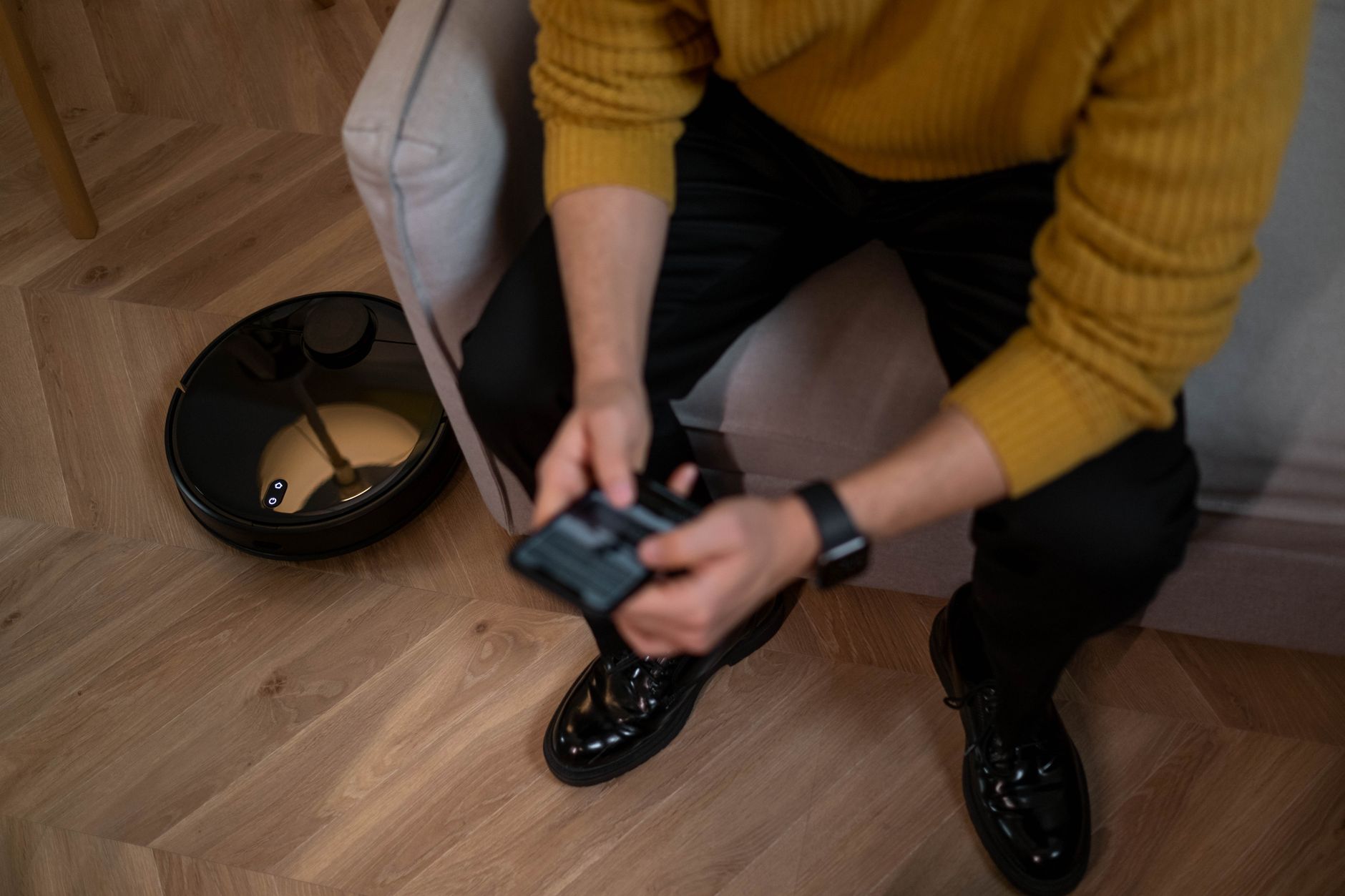
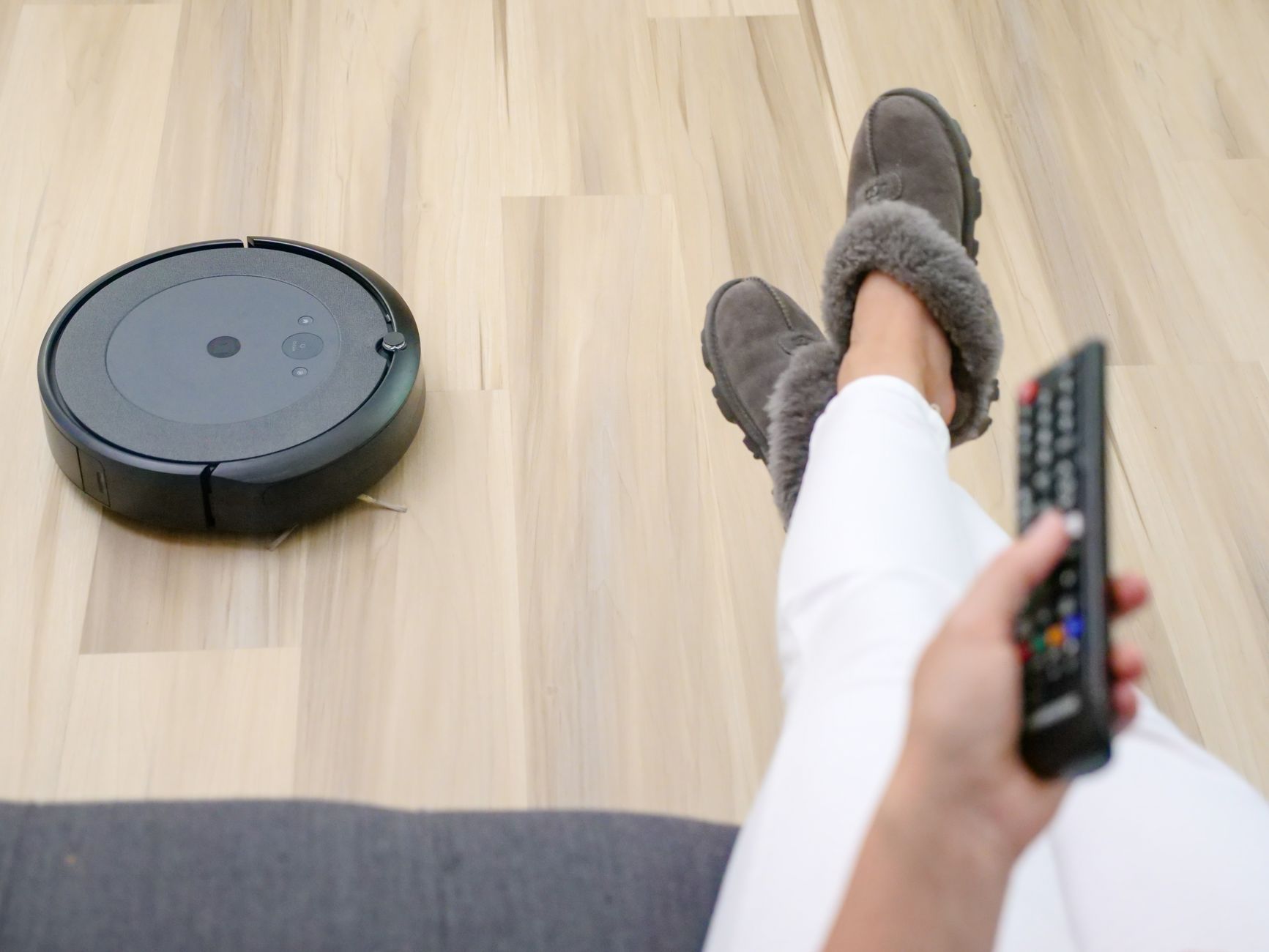
These remain the most popular home robots in India. Modern models navigate autonomously around furniture, detect stairs to prevent falls, and return to charging stations independently. Premium versions offer mopping functions, making them particularly valuable for Indian homes where both sweeping and mopping are daily necessities. Many devices now integrate with smartphone apps, allowing homeowners to schedule cleaning while at work or away.
Kitchen Assistants
Automated cooking devices are gaining traction, especially in tech-savvy households. While not humanoid robots, these intelligent appliances can follow recipes, adjust cooking parameters automatically, and even suggest meals based on available ingredients. Some advanced models can prepare multiple Indian dishes with minimal supervision, from perfectly cooked rice to complex curries.
Window and Floor Cleaning Robots
High-rise apartment living has created demand for window-cleaning robots that safely navigate glass surfaces using suction technology. Similarly, floor-scrubbing robots designed specifically for Indian tile and marble flooring are becoming common in larger homes.
Lawn and Garden Maintenance
For homeowners with outdoor spaces, robotic lawn mowers operate quietly and efficiently, maintaining grass at preset heights without human intervention. Some models include weather sensors that pause operation during rain.
The Technology Behind the Convenience
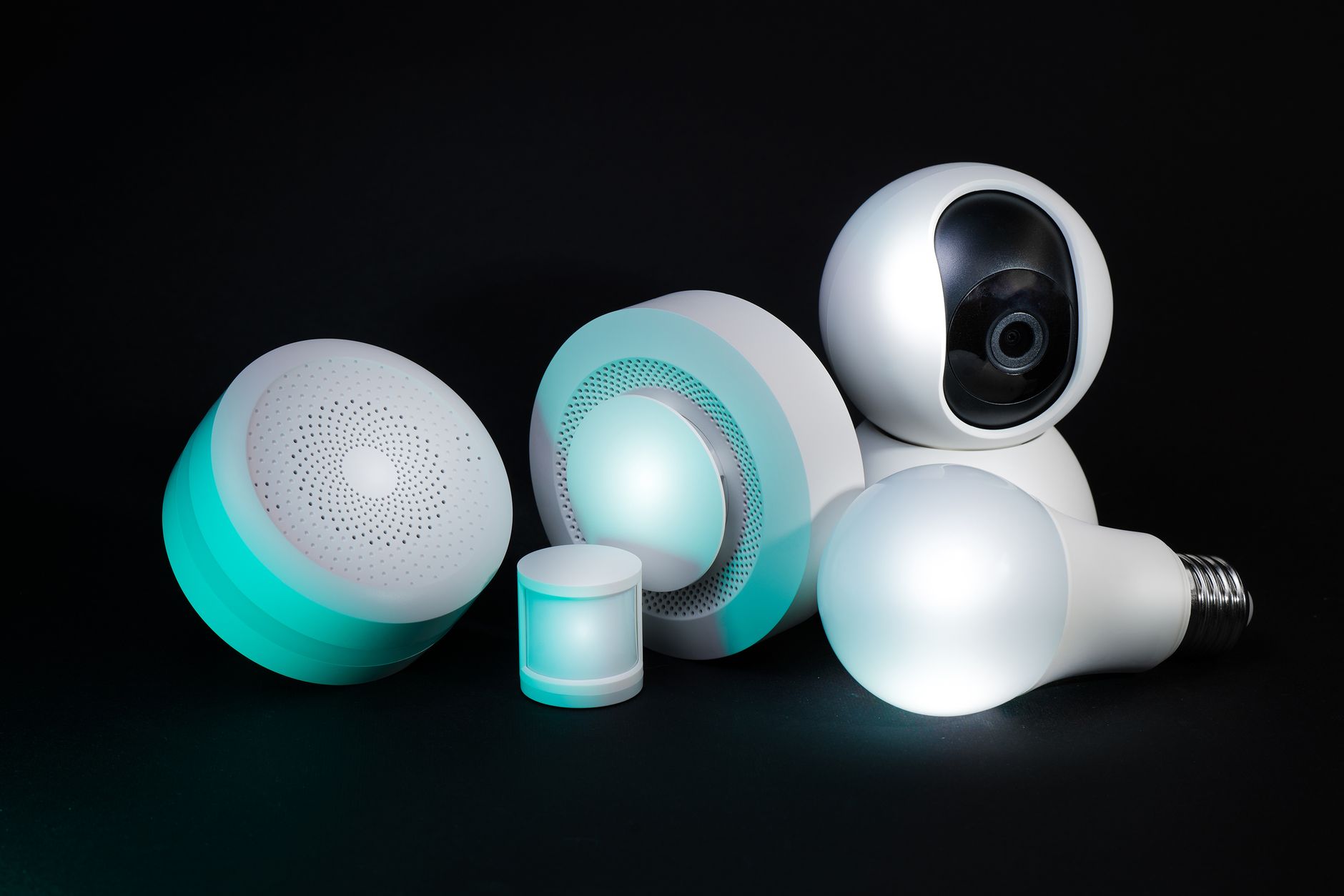
Modern home robots leverage artificial intelligence, machine learning, and advanced sensors to navigate and perform tasks. Mapping technology allows devices to learn home layouts, remembering optimal paths and avoiding obstacles. Voice integration with systems like Alexa and Google Assistant enables hands-free control through simple verbal commands.
Computer vision helps robots identify different surfaces and adjust their operation accordingly—applying more suction on carpets, for instance, or gentler pressure on hardwood floors. Many devices now feature edge computing, processing data locally for faster response times and better privacy.
Benefits Beyond Convenience
The advantages of home robots extend well beyond saving time on chores.
- Consistent cleaning standards reduce allergens and maintain hygiene more effectively than irregular manual cleaning
- Energy efficiency through optimised operation schedules and smart power management
- Accessibility improvements for elderly family members or those with mobility challenges
- Reduced dependency on domestic help, addressing privacy concerns and household management challenges
- Time liberation allowing families to focus on relationships, hobbies, and personal development
Challenges and Considerations
Despite growing popularity, obstacles remain. Initial investment costs, while decreasing, still represent significant expenditure for many families. Maintenance requirements and occasional technical issues can be frustrating. Privacy concerns arise as these connected devices collect data about home layouts and usage patterns.
Indian homes also present unique challenges—complex floor plans, varied flooring materials, and different cleaning requirements compared to Western homes. Manufacturers are increasingly developing India-specific models that handle these conditions better.
The Future of Robotic Homes
Experts predict home robotics will become increasingly sophisticated and integrated. Future developments may include robots that can handle multiple tasks, more advanced AI that learns family preferences and routines, better integration between different smart home devices, and more affordable pricing making the technology accessible to broader demographics.
As 5G connectivity expands and AI capabilities improve, the line between separate robotic devices may blur into comprehensive home management systems that anticipate needs before being asked.
The transformation of Indian homes through robotics reflects broader technological progress and changing lifestyle priorities. While human touch remains irreplaceable in many aspects of homemaking, robots are proving valuable partners in managing the practical demands of modern domestic life, freeing time and energy for what matters most—family, creativity, and personal wellbeing.