The Indian smart home industry is witnessing another significant consolidation move as HESEOS Home Automation has announced plans to acquire an established hardware research and development company with more than seven years of operational history. This strategic acquisition reflects the growing maturity of India's smart home sector and the increasing importance of in-house hardware expertise for companies looking to compete in this rapidly evolving market.
Strategic Rationale Behind the Acquisition
The acquisition appears designed to address several key business objectives for HESEOS. By bringing an experienced hardware R&D team in-house, the company can accelerate its product development cycles and reduce dependency on third-party manufacturers. Hardware expertise is particularly crucial in the smart home space, where devices must seamlessly integrate with various communication protocols, operate reliably in diverse Indian home environments, and meet stringent quality standards.
For a smart home automation company, controlling the entire product stack—from software algorithms to physical hardware design—offers significant competitive advantages. It enables faster innovation, better quality control, and the ability to customize products specifically for the Indian market's unique requirements, including power fluctuations, varying internet connectivity standards, and diverse home construction types.
What This Means for India's Smart Home Market
The Indian smart home market has been experiencing robust growth, with increasing consumer awareness about automation, energy efficiency, and security. Industry estimates suggest the market is growing at over 15-20 percent annually, driven by rising disposable incomes, greater smartphone penetration, and improved internet infrastructure.
However, the market remains fragmented, with numerous players offering overlapping products. Strategic acquisitions like this one indicate a consolidation phase where larger players are building comprehensive capabilities rather than remaining assembly-focused operations. This trend could lead to:
- Better product quality and reliability as companies invest in core R&D
- More India-specific solutions addressing local challenges
- Stronger after-sales support and product warranties
- Competitive pricing through vertical integration
Challenges and Opportunities
Acquiring a hardware R&D company brings both opportunities and challenges. On the opportunity side, HESEOS will gain access to existing intellectual property, experienced engineering talent, and established supplier relationships. The seven-year operational history of the target company suggests it has weathered multiple product cycles and likely possesses valuable institutional knowledge about hardware development challenges.
However, integrating two different organizational cultures can be complex. Hardware development operates on different timelines than software development, requiring patient investment and tolerance for longer development cycles. HESEOS will need to retain key technical talent from the acquired company while ensuring smooth integration with its existing operations.
Impact on Product Development
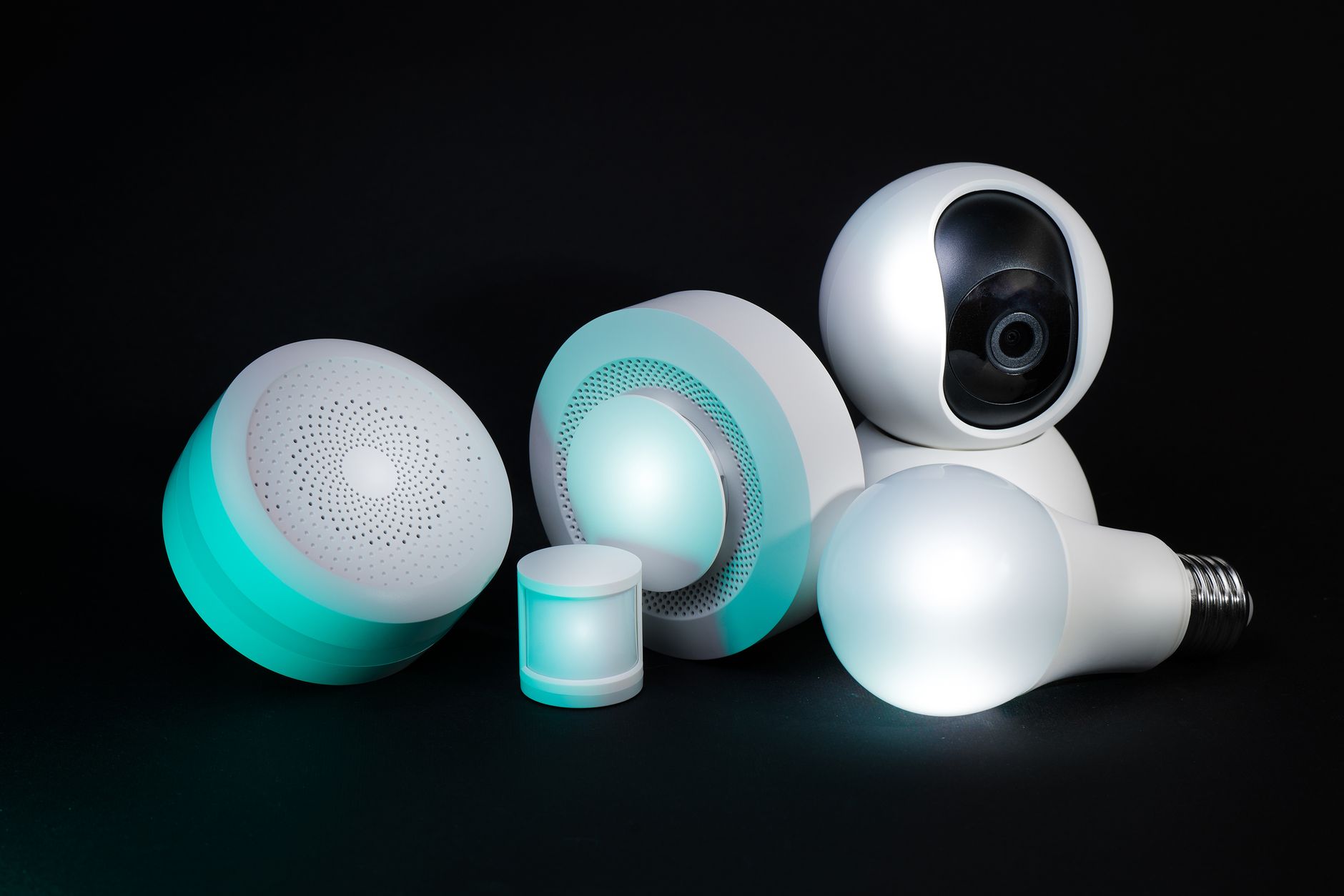
With in-house hardware capabilities, HESEOS could potentially expand its product portfolio more aggressively. The company might develop proprietary smart switches, sensors, controllers, and hubs tailored specifically for Indian homes. This could include products that handle voltage fluctuations better, work with inconsistent internet connectivity, or integrate with popular Indian appliance brands.
The acquisition could also enable faster iteration on product designs based on customer feedback. Rather than waiting for external manufacturers to implement changes, an integrated team can rapidly prototype and test new features, potentially bringing products to market months faster than competitors.
Implications for Consumers
For Indian consumers, this consolidation trend could be positive. Companies with strong R&D capabilities typically offer better product support, more frequent firmware updates, and greater product longevity. As smart home devices are long-term investments, purchasing from companies with robust technical foundations reduces the risk of orphaned products that stop receiving updates.
Additionally, vertical integration often leads to better pricing over time as companies eliminate middleman margins and optimize their supply chains. This could make smart home technology more accessible to middle-class Indian households, accelerating adoption beyond metros into tier-2 and tier-3 cities.
Looking Ahead
This acquisition announcement reflects a maturing smart home industry in India where companies are making long-term strategic investments rather than pursuing quick market gains. As the sector grows, expect more such consolidations as players seek to build defensible competitive positions through proprietary technology and comprehensive product ecosystems.
The success of this acquisition will ultimately depend on execution—how well HESEOS integrates the hardware team, leverages their expertise, and translates technical capabilities into market-leading products that resonate with Indian consumers.