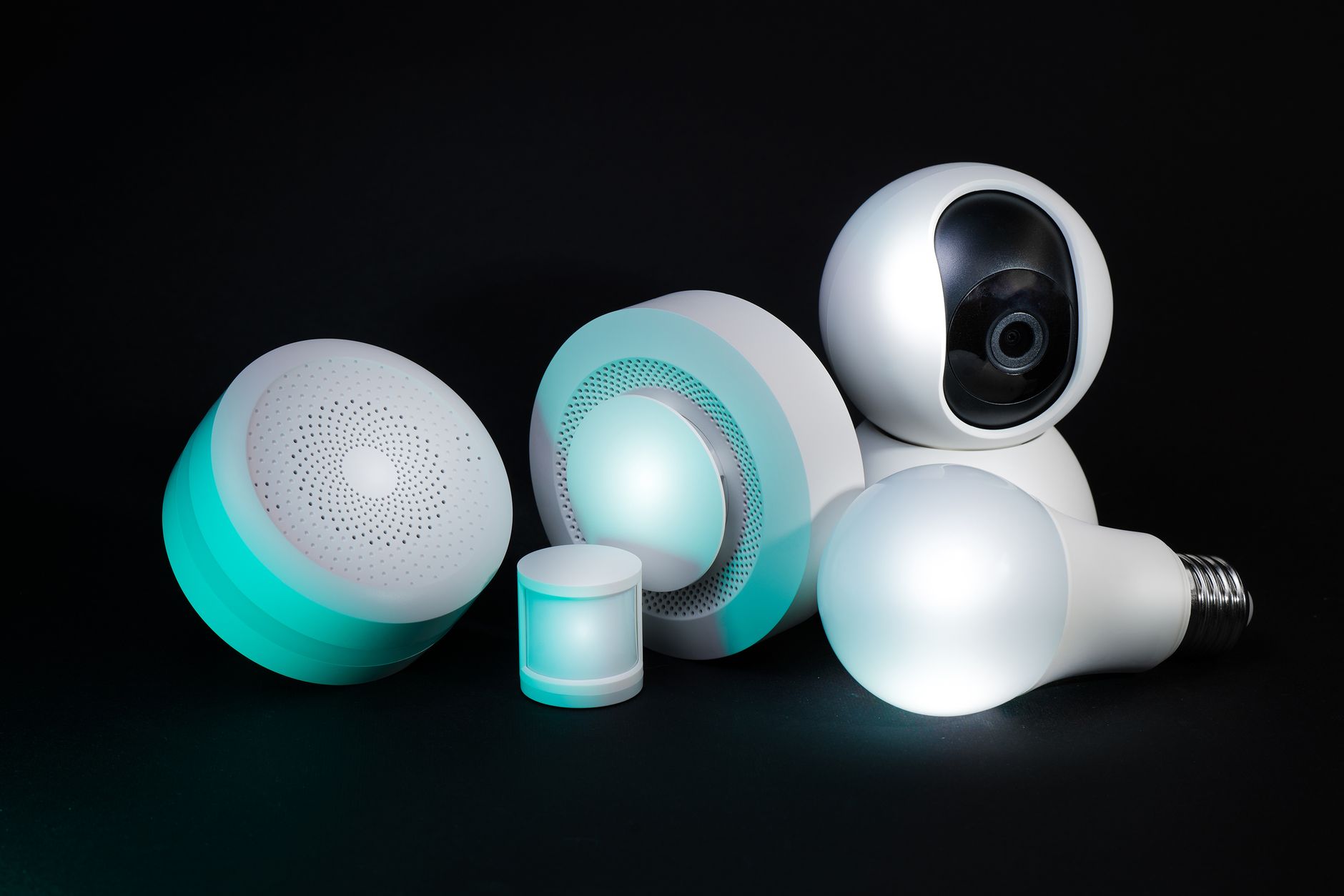
Chennai has emerged as the latest hub for premium home automation with the launch of H-SMART, a dedicated solutions provider catering to the growing appetite for smart home technology among Indian homeowners. This development reflects the broader trend of urban Indians embracing connected living as both a lifestyle upgrade and a practical investment in modern convenience.
The Rise of Home Automation in India
Home automation has transitioned from a luxury novelty to an increasingly accessible reality for middle and upper-middle-class Indian families. The market has grown significantly over the past five years, driven by factors including increased smartphone penetration, affordable internet connectivity, and a tech-savvy younger generation of homeowners who prioritize convenience and energy efficiency.
Chennai, as one of India's major metropolitan centers with a strong IT workforce and rising disposable incomes, presents an ideal market for premium home automation solutions. The city's residents have shown particular interest in technology that enhances comfort while potentially reducing long-term operational costs.
What Home Automation Typically Offers
Premium home automation solutions generally integrate multiple systems within a residence into a centralized, controllable network. Common features include smart lighting systems that adjust based on time of day or occupancy, climate control systems that learn household patterns and optimize energy usage, and security solutions incorporating smart locks, video doorbells, and surveillance cameras accessible via smartphone.
Voice-activated controls through platforms like Amazon Alexa or Google Assistant have become standard expectations, allowing homeowners to manage everything from window blinds to entertainment systems through simple voice commands. More advanced systems offer automated scenes that trigger multiple actions simultaneously, such as a "Good Night" mode that locks doors, dims lights, adjusts thermostats, and arms security systems with a single command.
Benefits Beyond Convenience
While convenience remains the primary selling point, home automation delivers several practical advantages. Energy management stands out as particularly relevant for Indian households facing rising electricity costs. Smart thermostats can reduce cooling expenses by 10-25 percent through optimized scheduling and automatic adjustments, while smart lighting systems eliminate energy waste from forgotten switches.
Security features provide peace of mind, especially for families where all members work outside the home or travel frequently. Remote monitoring capabilities allow homeowners to check on their property from anywhere, receive alerts about unusual activity, and even grant temporary access to guests or service providers without physical keys.
The integration of these systems can also enhance property value, as homes equipped with smart technology increasingly appeal to buyers seeking modern amenities.
Considerations for Indian Homeowners
Despite the appeal, prospective buyers should approach home automation thoughtfully. Initial installation costs for comprehensive systems can range from several lakhs to significantly more, depending on the home's size and the sophistication of chosen solutions. However, modular approaches allow homeowners to start with basic systems and expand gradually.
Internet connectivity reliability becomes crucial, as most smart home systems depend on consistent network access. Power backup solutions should be considered to maintain functionality during outages, a practical concern in many Indian cities.
Privacy and data security deserve attention when introducing connected devices that collect information about household patterns and activities. Choosing providers with strong security protocols and understanding how data is stored and used remains important.
The Broader Market Context
The entry of dedicated premium providers like H-SMART into specific cities indicates market maturation. While several national and international brands offer home automation products, specialized local providers can offer advantages including better after-sales service, understanding of local electrical systems and building practices, and customized solutions addressing India-specific needs like power fluctuation management.
The home automation sector in India is projected to grow substantially over the coming years, driven by smart city initiatives, increasing awareness, and the continued expansion of IoT (Internet of Things) infrastructure. As more providers enter the market, competition should drive innovation while potentially making solutions more accessible across different price points.
Looking Ahead
For Chennai residents interested in home automation, the arrival of specialized premium providers expands options and signals a maturing market with competitive service standards. However, as with any significant home investment, thorough research, clear understanding of needs versus wants, and comparison of offerings from multiple providers will help ensure satisfaction with both immediate functionality and long-term value.