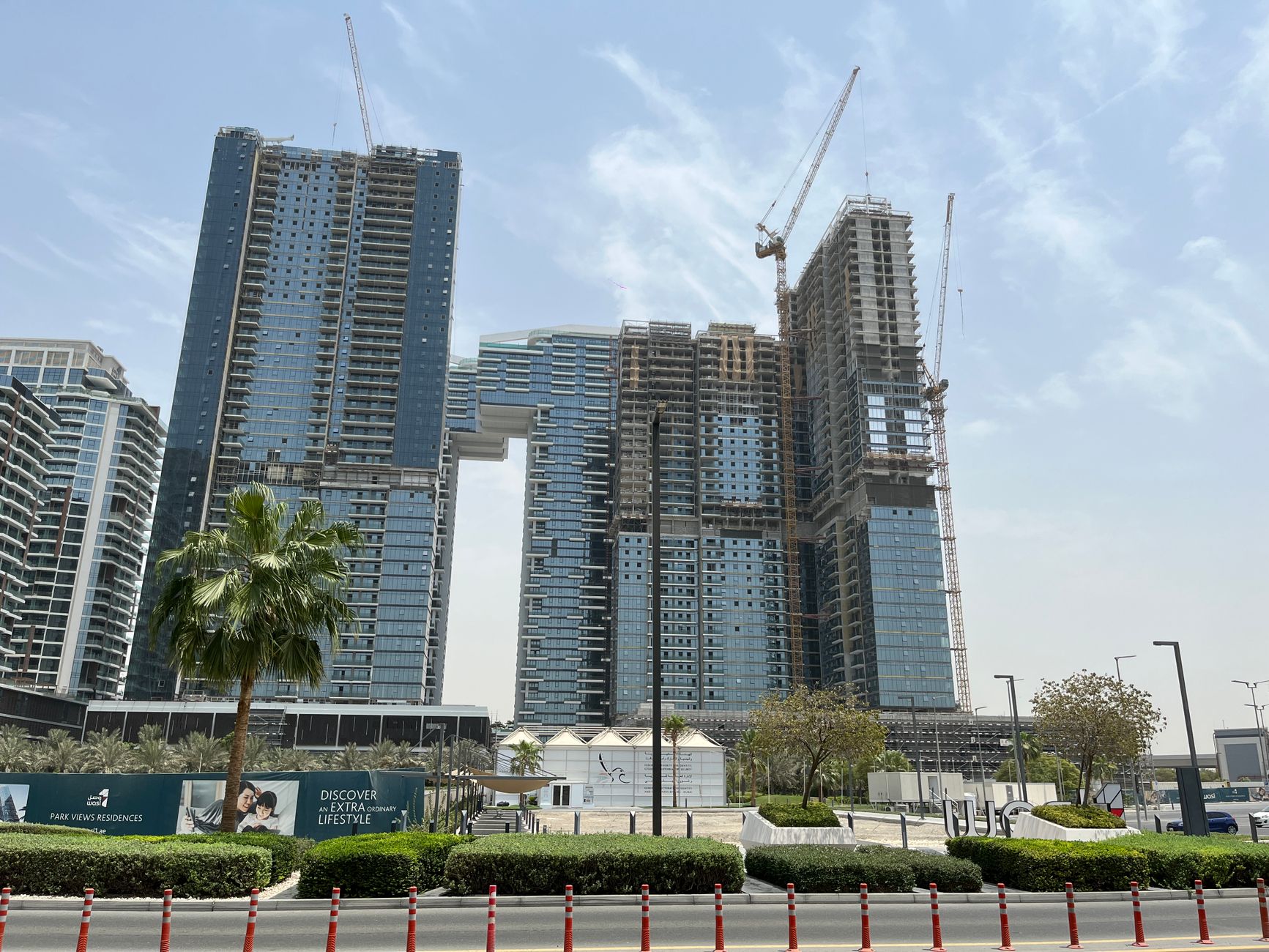
Dubai's property market, which witnessed unprecedented growth over the past few years, appears to be entering a new phase as transaction volumes and price appreciation rates begin to moderate. After reaching what many analysts consider a cyclical peak in early 2025, the emirate's real estate sector is showing signs of normalization, prompting investors and homebuyers to reassess their strategies.
The Record-Breaking Run
Dubai's property market experienced a remarkable surge from 2021 onwards, driven by multiple factors. The introduction of long-term visas, remote work trends following the pandemic, and the city's tax-free status attracted affluent professionals and investors from around the globe. Property prices in prime areas doubled or even tripled in some cases, with luxury villas and waterfront apartments commanding premium prices.
The momentum was further fueled by strong demand from Indian, British, and Russian buyers, along with significant interest from investors seeking safe-haven assets. Off-plan sales reached historic highs as developers launched ambitious projects to meet the seemingly insatiable demand.
Signs of Cooling
Several indicators suggest the market is cooling from its peak. Transaction volumes have declined compared to the frenetic pace of 2023 and 2024, while price growth has decelerated significantly. Properties that once sold within days of listing are now spending weeks on the market, and developers have begun offering payment plans and incentives that were unnecessary during the boom years.
The rental market, which had seen double-digit annual increases, is also showing signs of stabilization. Some areas are experiencing slight corrections as new supply enters the market, providing relief to tenants who faced affordability challenges during the peak.
Factors Behind the Slowdown
Multiple factors contribute to the current market dynamics:
- Global economic uncertainty and geopolitical tensions affecting investor confidence
- Rising interest rates in major economies impacting financing costs
- Increased supply as projects launched during the boom reach completion
- Affordability constraints as prices reached levels that priced out many end-users
- Stricter mortgage regulations and lending criteria from financial institutions
Additionally, some investors who purchased during the peak are now looking to exit, adding inventory to the resale market and creating more options for buyers.
Regional Context for Indian Investors
For Indian investors who have been active participants in Dubai's property market, the cooling phase presents both challenges and opportunities. Those who invested at the peak may see slower appreciation than anticipated, while new buyers might find more reasonable entry points and negotiating power.
The currency dynamics between the Indian rupee and UAE dirham, along with the Reserve Bank of India's regulations on overseas investments, continue to play a crucial role in decision-making for Indian buyers. The Liberalized Remittance Scheme's annual limit of USD 250,000 per individual remains a key consideration.
Expert Perspectives
Real estate analysts offer varied interpretations of the current scenario. Some view the cooling as a healthy correction that will ensure long-term market sustainability, preventing the formation of a bubble. They argue that Dubai's fundamentals remain strong, with continued population growth, infrastructure development, and the upcoming Expo legacy projects supporting long-term value.
Others caution that the correction could deepen if global economic conditions deteriorate or if regional competition from other Gulf cities intensifies. The performance of Dubai's broader economy, particularly sectors like tourism, trade, and financial services, will significantly influence property market trajectories.
What This Means for Buyers and Investors
The current environment may favor buyers who can take a long-term view. With reduced competition and more inventory available, purchasers have greater negotiating leverage and time to conduct due diligence. End-users looking for homes rather than investment properties might find this an opportune moment.
For investors, the key questions revolve around rental yields, potential appreciation, and holding period. Prime locations with strong fundamentals and limited new supply are likely to remain resilient, while areas with significant upcoming inventory may face continued pressure.
Looking Ahead
Whether Dubai's property market experiences a brief pause before resuming growth or enters a prolonged correction phase remains to be seen. Historical patterns suggest Dubai's real estate moves in cycles, with corrections following boom periods before the next upswing.
The government's continued investments in infrastructure, the upcoming hosting of major international events, and economic diversification efforts provide underlying support. However, potential investors should carefully evaluate their risk tolerance, investment horizon, and the specific micro-market dynamics of any property under consideration.
This article provides general information only and should not be considered financial or investment advice. Readers should conduct thorough research and consult qualified professionals before making any property investment decisions, particularly in international markets.