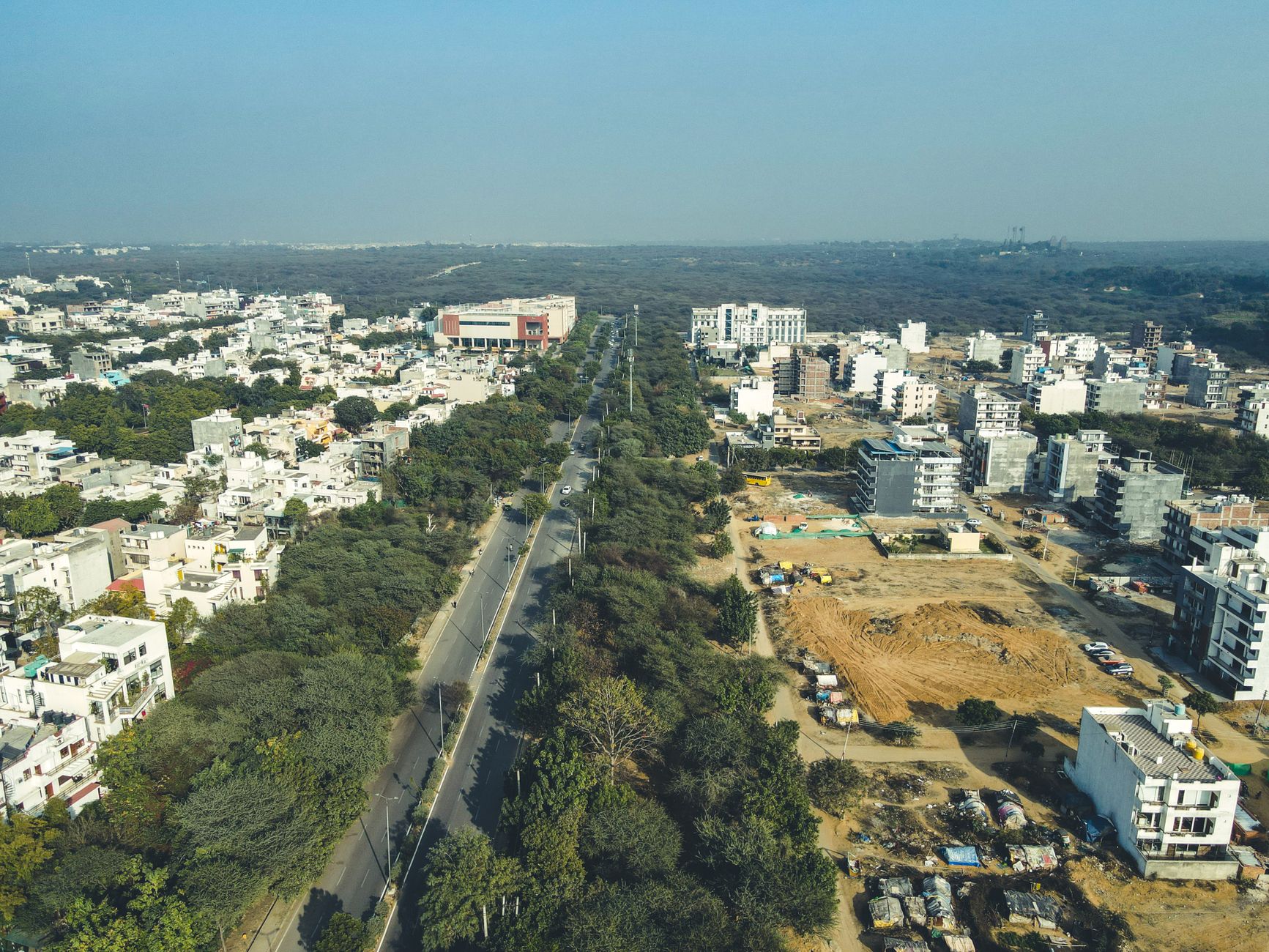
India's residential real estate market is experiencing a significant divergence, with metro cities like Mumbai and the National Capital Region (NCR) becoming increasingly unaffordable for average homebuyers, even as home loan interest rates have moderated from their recent peaks. This paradoxical situation highlights the complex dynamics shaping the country's housing sector and raises important questions about accessibility and market sustainability.
The Affordability Paradox
While the Reserve Bank of India has maintained a pause in policy rate hikes and banks have begun offering more competitive home loan rates, property prices in India's premium metros have surged at a pace that far outstrips any benefit from lower borrowing costs. In Mumbai, property prices in many localities have witnessed double-digit annual growth, driven by limited land availability, premium project launches, and strong demand from high-net-worth individuals.
The NCR market, encompassing Delhi, Gurugram, Noida, and Ghaziabad, has similarly seen prices climb steeply, particularly in well-connected micro-markets with modern infrastructure. For middle-income families, the dream of homeownership in these regions is becoming progressively distant, despite marginally improved loan conditions.
Understanding Housing Affordability Metrics
Housing affordability is typically measured by the price-to-income ratio and the EMI-to-income ratio. When property prices rise faster than household incomes, affordability deteriorates even if interest rates decline. In Mumbai and NCR, average property prices have increased by 20-30 percent or more in select pockets over the past two years, while salary growth for most professionals has remained in single digits.
Consider a practical example: a two-bedroom apartment in suburban Mumbai that cost Rs 80 lakh two years ago might now be priced at Rs 1 crore or higher. Even if home loan rates have dropped from 9 percent to 8.5 percent, the higher principal amount means significantly larger EMIs and down payments, making the purchase less affordable overall.
Factors Driving Metro Price Escalation
Several interconnected factors explain the price surge in these metros:
- Land scarcity and high acquisition costs in established neighborhoods
- Shift toward premium and luxury segment launches by developers
- Strong demand from NRIs and investors seeking asset appreciation
- Infrastructure improvements enhancing connectivity and desirability
- Post-pandemic preference for larger homes with better amenities
- Consolidation in the developer sector favoring established brands with premium pricing power
The Tier-2 City Advantage
In contrast to the metro affordability crisis, tier-2 cities like Pune, Ahmedabad, Chandigarh, Jaipur, and Kochi are presenting more balanced opportunities for homebuyers. These markets offer several advantages:
- Property prices growing at more moderate rates aligned with income growth
- Larger homes available at prices comparable to small apartments in metros
- Improving infrastructure and employment opportunities reducing the metro premium
- Lower overall cost of living enhancing savings capacity
- Growing IT and manufacturing sectors creating stable employment bases
Implications for Different Stakeholders
For first-time homebuyers in Mumbai and NCR, the current scenario necessitates difficult choices. Many are considering peripheral locations with longer commutes, smaller apartment sizes, or delaying purchases altogether while continuing to rent. Others are exploring tier-2 cities where remote work arrangements make location flexibility possible.
Investors face a different calculus. While affordability has weakened, capital appreciation in prime metro locations has been robust, making these markets attractive for those with surplus capital. However, rental yields remain relatively low, typically in the 2-3 percent range, making residential properties less attractive purely as income-generating assets.
Policy Considerations and Future Outlook
The widening affordability gap raises important questions about housing policy and urban planning. Governments may need to consider interventions such as incentivizing affordable housing development in metro suburbs, improving mass transit to make peripheral areas more viable, and potentially implementing measures to moderate speculative demand in overheated markets.
Looking ahead, the sustainability of the current price trajectory in metros depends on continued income growth, employment stability, and buyer sentiment. Any economic headwinds could moderate price growth and potentially improve affordability ratios, though a significant price correction appears unlikely given supply constraints and strong underlying demand.
For prospective buyers, the current environment demands careful financial planning, realistic assessment of long-term affordability including maintenance and lifestyle costs, and consideration of alternative locations that might offer better value propositions.
This article is for general informational purposes only and should not be considered as financial or investment advice. Prospective homebuyers should conduct thorough due diligence and consult with qualified financial advisors before making property purchase decisions.