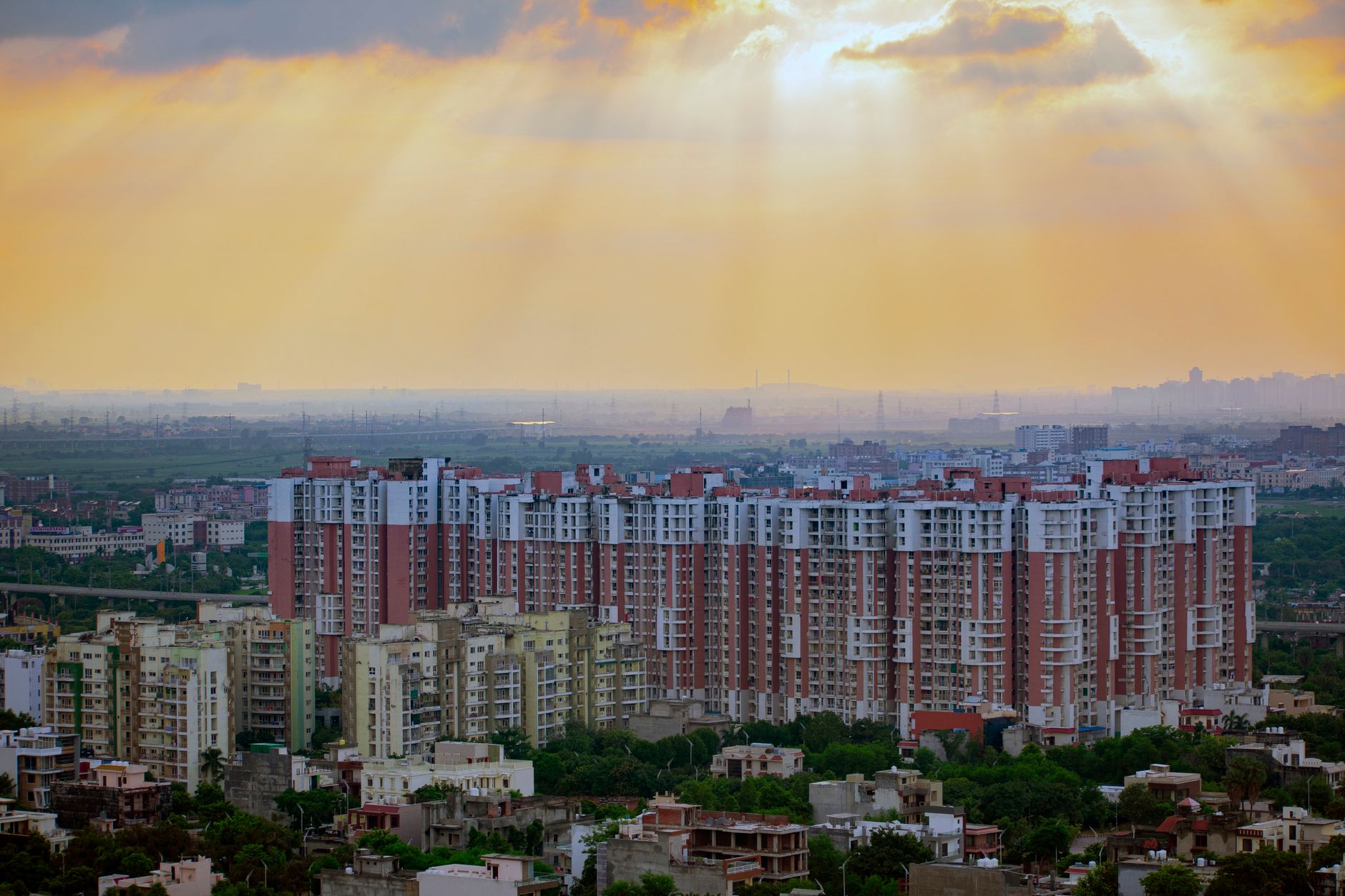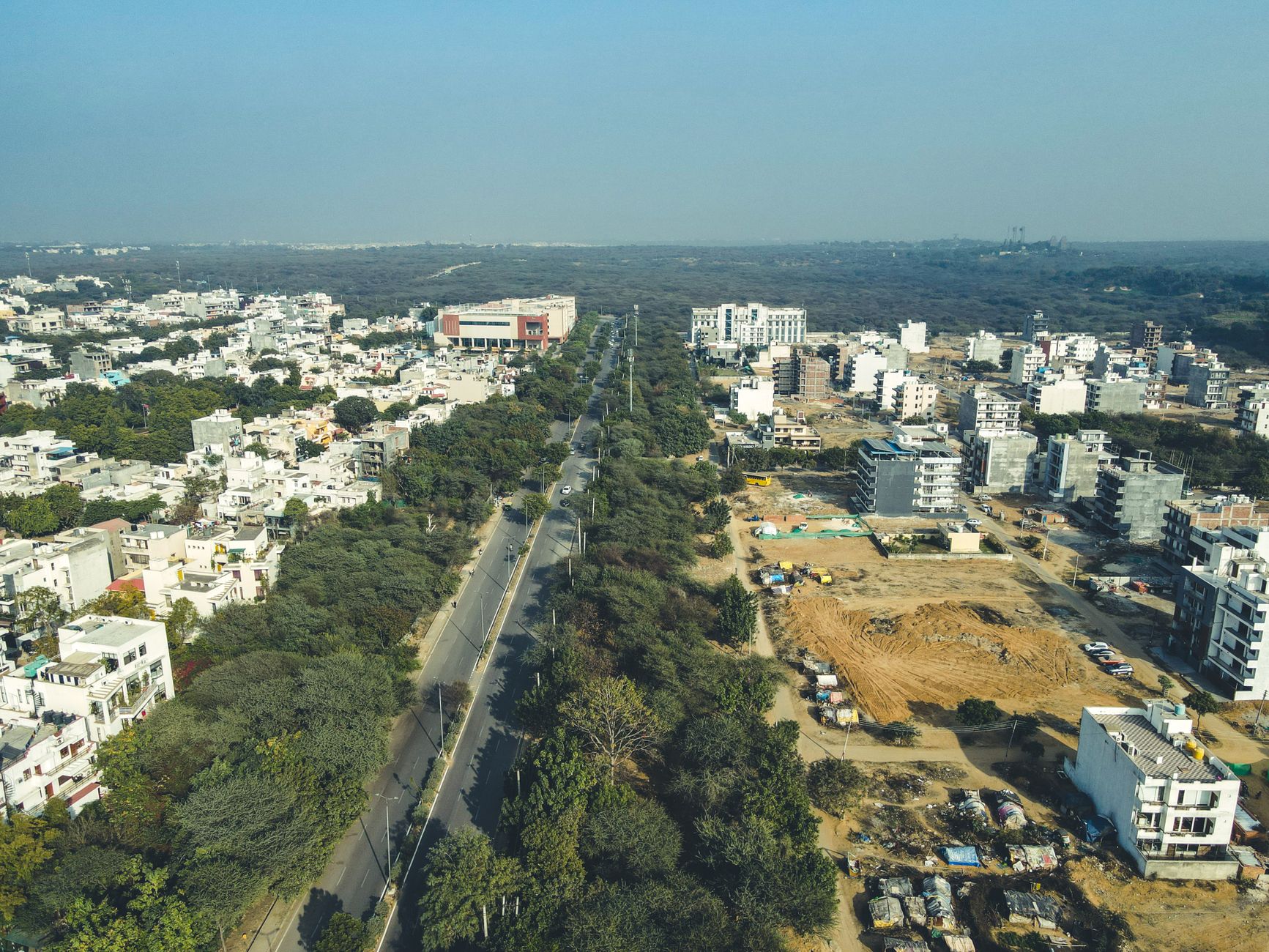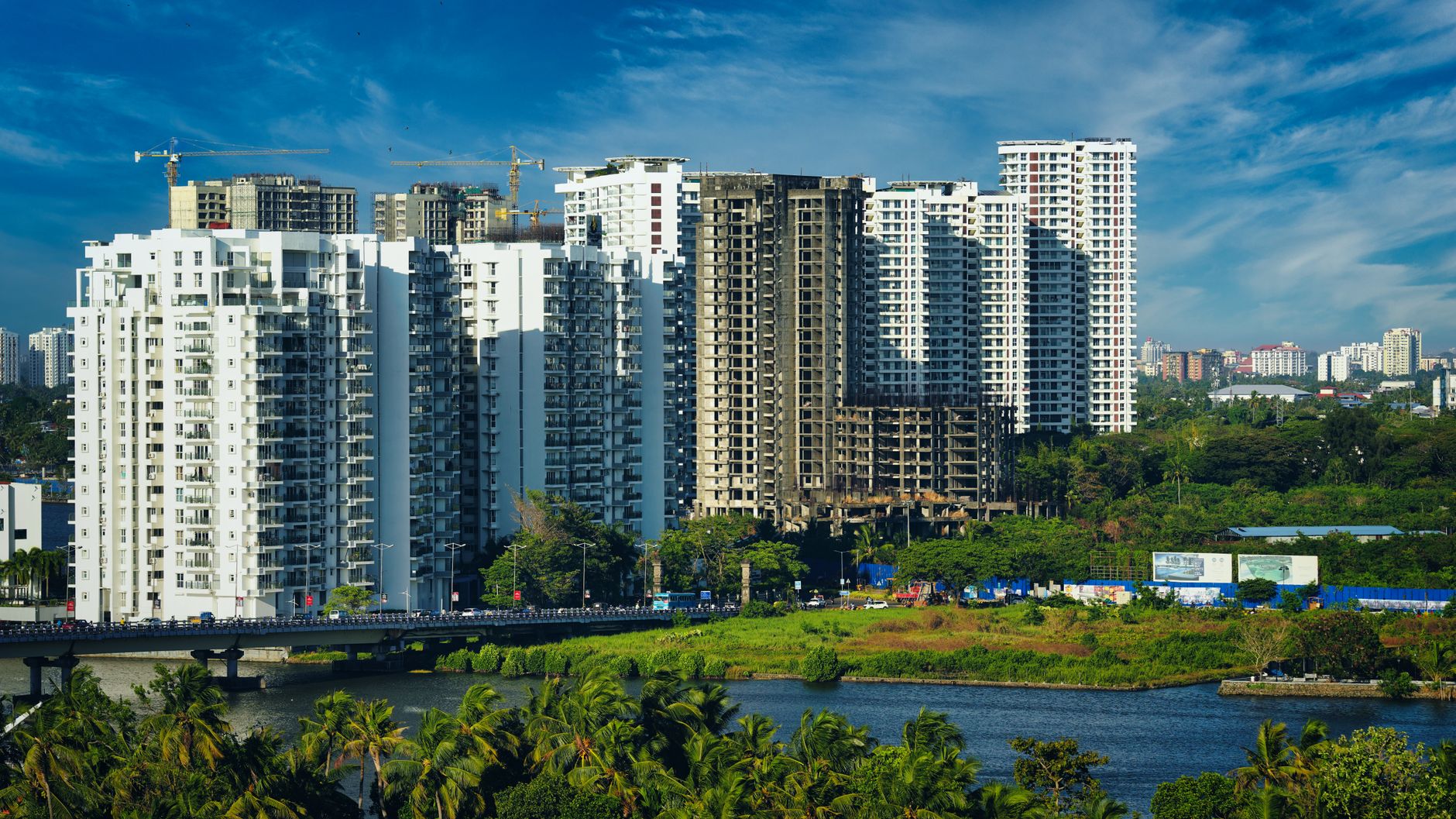
The Indian real estate landscape is undergoing a significant transformation. After decades of racing to build as many units as possible, developers across the country are now adopting a quality-first approach that promises to reshape how Indians buy and experience their homes.
The Old Model No Longer Works
For years, the Indian property market operated on a simple principle: build more, sell more. Developers prioritized quantity, often compromising on construction quality, amenities, and livability. This approach worked during the boom years when demand seemed endless and buyers had fewer choices. However, the Real Estate Regulation and Reconciliation Act (RERA) implementation in 2016, coupled with changing buyer preferences, has fundamentally altered this dynamic.
Today's homebuyers are more informed, financially savvy, and quality-conscious. They research extensively online, compare projects across multiple parameters, and refuse to settle for substandard construction or incomplete promises. The era of selling apartments based solely on location and price is giving way to one where buyers scrutinize every detail from flooring materials to water recycling systems.
What Quality-First Development Looks Like
The shift toward quality manifests in several tangible ways across Indian real estate projects. Developers are investing significantly more in architectural design, engaging renowned firms to create aesthetically pleasing and functionally superior buildings. The focus has expanded from merely providing four walls to creating holistic living environments.
Construction quality has improved dramatically, with many developers using international-grade materials and adhering to stricter quality control processes. Premium fittings, better insulation, soundproofing, and superior waterproofing are becoming standard rather than luxury add-ons.
Amenities have evolved from basic swimming pools and gyms to comprehensive lifestyle ecosystems. Modern developments feature co-working spaces, meditation gardens, sports facilities, children's play areas designed by child psychologists, pet parks, and even organic farming patches. These aren't just marketing gimmicks but genuine attempts to enhance resident well-being.
Sustainability Takes Center Stage
Environmental consciousness is perhaps the most significant aspect of this quality revolution. Green building certifications like IGBC and GRIHA are no longer rare badges of honor but increasingly common standards that buyers actively seek.
Developers are incorporating rainwater harvesting, solar panels, sewage treatment plants, and energy-efficient lighting as standard features. Some projects go further with vertical gardens, waste segregation systems, and electric vehicle charging infrastructure. These sustainable features not only reduce environmental impact but also lower long-term ownership costs through reduced utility bills.
The Price Premium and Market Response
Quality comes at a cost, and premium developments typically command 15-30 percent higher prices than comparable mass-market projects. Interestingly, the market has responded positively, particularly in tier-1 cities and among upper-middle-class buyers.
Sales data indicates that well-designed, quality-focused projects often sell faster despite higher prices. Buyers increasingly view their homes as long-term investments in lifestyle and well-being rather than purely financial assets. They're willing to pay more upfront for better construction, superior amenities, and the assurance of dealing with reputable developers.
Challenges in the Transition
The shift hasn't been uniform across India's vast real estate market. Smaller developers in tier-2 and tier-3 cities often struggle to adopt quality-first approaches due to capital constraints and markets where price sensitivity remains paramount.
Construction costs have risen significantly, squeezing developer margins. Quality development requires patient capital and longer project timelines, which don't suit every business model. Additionally, ensuring consistent quality across large projects remains operationally challenging.
The Road Ahead
Industry experts predict this quality-focused trend will accelerate over the coming years. As millennials and Gen-Z become primary homebuyers, their expectations around design, sustainability, and technology integration will push developers further in this direction.
Technology is playing an enabling role, with building information modeling (BIM), smart home integration, and advanced construction techniques making quality delivery more feasible and cost-effective. The regulatory environment continues tightening, making quality compliance not just desirable but mandatory.
The consolidation of the real estate sector, with larger, well-capitalized developers gaining market share, also favors quality over quantity. These players have the resources, expertise, and brand reputation to invest in superior developments.
For homebuyers, this transformation represents a welcome change—a market where their hard-earned money buys not just square footage, but thoughtfully designed spaces that enhance daily living. The Indian real estate market is finally maturing, and quality is becoming the true competitive advantage.