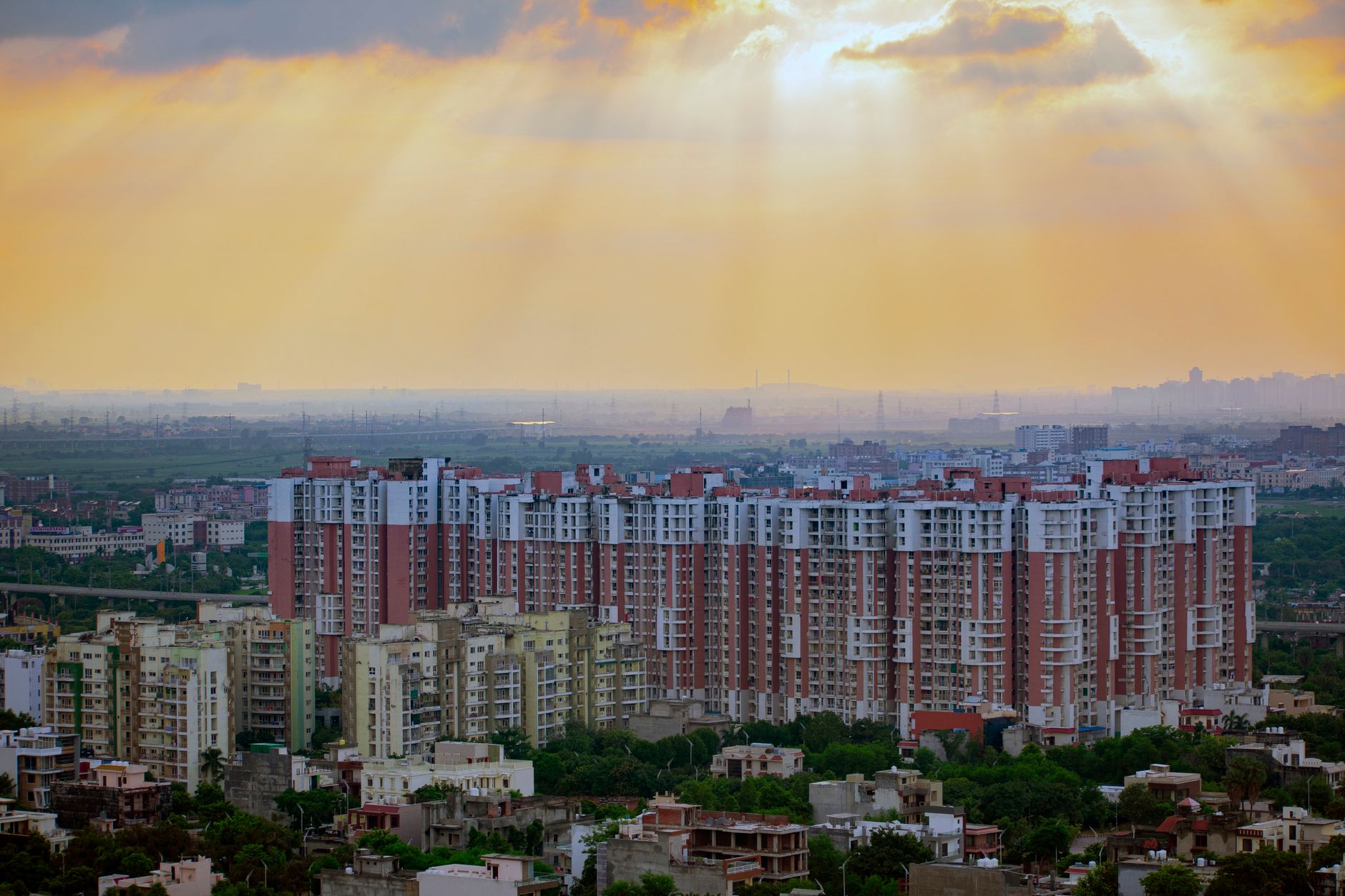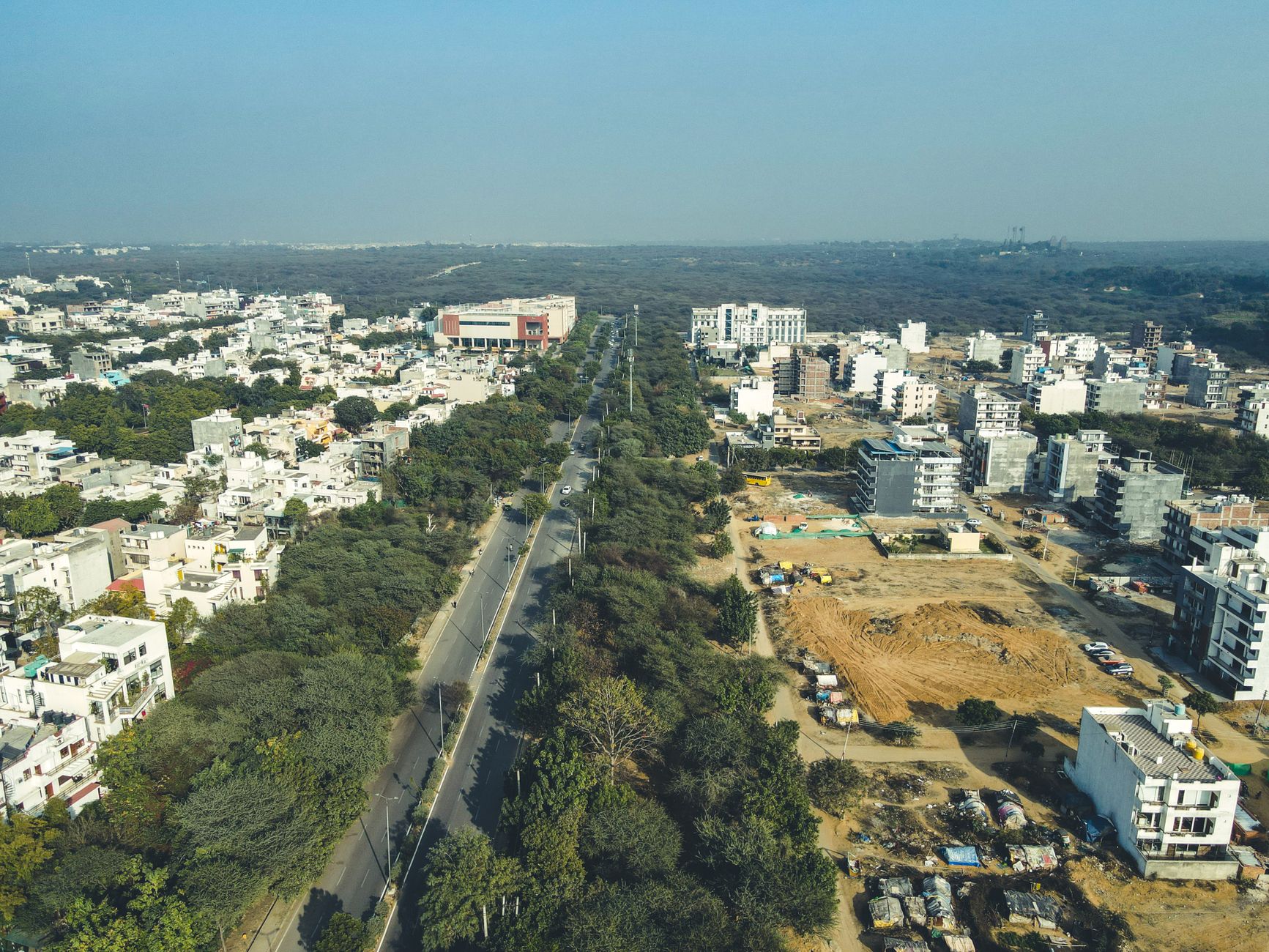
Gurgaon, officially known as Gurugram, presents a fascinating paradox in India's real estate landscape. While residents frequently complain about potholed roads, waterlogging during monsoons, and inconsistent civic amenities, property prices in this satellite city continue to soar into crores, often matching or exceeding rates in established South Delhi localities. This seeming contradiction raises an important question for homebuyers and investors: what makes Gurgaon worth the premium despite its infrastructure woes?
The Corporate Magnet Effect
The primary driver of Gurgaon's real estate demand is its status as India's second-largest information technology hub and a major corporate centre. The city hosts the Indian headquarters or regional offices of numerous multinational corporations, including Google, Microsoft, American Express, and Deloitte. This concentration of high-paying jobs creates a captive audience of professionals seeking homes within reasonable commuting distance.
The presence of Cyber City, Udyog Vihar, and several other business districts ensures a steady stream of rental demand as well as end-user purchases. Young professionals and mid-level executives often prefer living close to their workplaces to avoid Delhi-NCR's notorious traffic congestion, making Gurgaon properties attractive despite their high price tags.
Connectivity and Location Advantages
Gurgaon's strategic location provides unmatched connectivity advantages. The city sits along the Delhi-Jaipur highway, offering direct access to Indira Gandhi International Airport within 20-30 minutes from most sectors. The Rapid Metro and the upcoming Metro extensions further enhance public transport options.
The Delhi-Gurgaon Expressway serves as a lifeline connecting the city to the national capital, while the Northern Peripheral Road and Dwarka Expressway are opening new corridors. For business travellers and frequent flyers, this proximity to the airport is invaluable and justifies premium pricing.
Premium Lifestyle Infrastructure
Despite civic infrastructure challenges, Gurgaon has developed a robust ecosystem of private amenities that appeal to affluent buyers:
- World-class shopping malls including Ambience Mall, DLF Mega Mall, and Cyber Hub
- Fine dining restaurants, cafes, and entertainment venues
- International schools and educational institutions
- Multi-specialty hospitals like Medanta and Fortis
- Golf courses and premium sports clubs
- Gated communities with comprehensive amenities
These facilities create a self-contained lifestyle bubble where residents can access most services without depending heavily on government infrastructure. Many gated societies offer their own water treatment plants, power backup, sewage management, and internal roads, essentially privatising basic amenities.
Investment and Appreciation Potential
Real estate investors view Gurgaon as a market with strong fundamentals. Despite periodic slowdowns, property values have generally trended upward over the past two decades. The RERA implementation has brought greater transparency and accountability, making buyers more confident about project deliveries.
Luxury and premium segments in sectors like Golf Course Road, DLF Phase 1-5, and Sohna Road have shown resilient demand. New launches in emerging micro-markets continue to attract both end-users and investors betting on long-term appreciation.
The Aspirational Factor
For many upper-middle-class families, owning property in Gurgaon represents social mobility and success. The city's cosmopolitan character, modern skyline, and association with corporate success make it aspirational. Unlike older Delhi neighbourhoods with restrictive layouts and limited parking, Gurgaon's planned sectors offer wider roads within complexes, more parking space, and contemporary architecture.
The Infrastructure Catch
The infrastructure deficit remains Gurgaon's Achilles heel. Roads outside private complexes often deteriorate during monsoons, creating massive traffic snarls. Water scarcity affects several sectors, forcing residents to rely on expensive tanker water. Garbage management and air quality issues persist despite municipal efforts.
However, buyers factor these challenges into their decisions, often viewing them as temporary problems that will eventually be addressed as the city matures. The availability of private alternatives for most essential services reduces dependence on government infrastructure.
Making the Decision
For prospective buyers, Gurgaon offers clear advantages if employment, lifestyle preferences, and budget align with what the city offers. The premium pricing reflects genuine demand drivers rather than mere speculation. However, buyers should carefully evaluate specific sectors, builder reputation, RERA registration, and proximity to their workplace before committing.
The micro-market matters significantly—properties in well-established sectors with better civic amenities command justified premiums over emerging areas still developing basic infrastructure.
This article is for general informational purposes only and should not be considered as investment advice. Prospective property buyers should conduct thorough due diligence, consult with real estate professionals, and consider their personal financial circumstances before making any property purchase decisions.