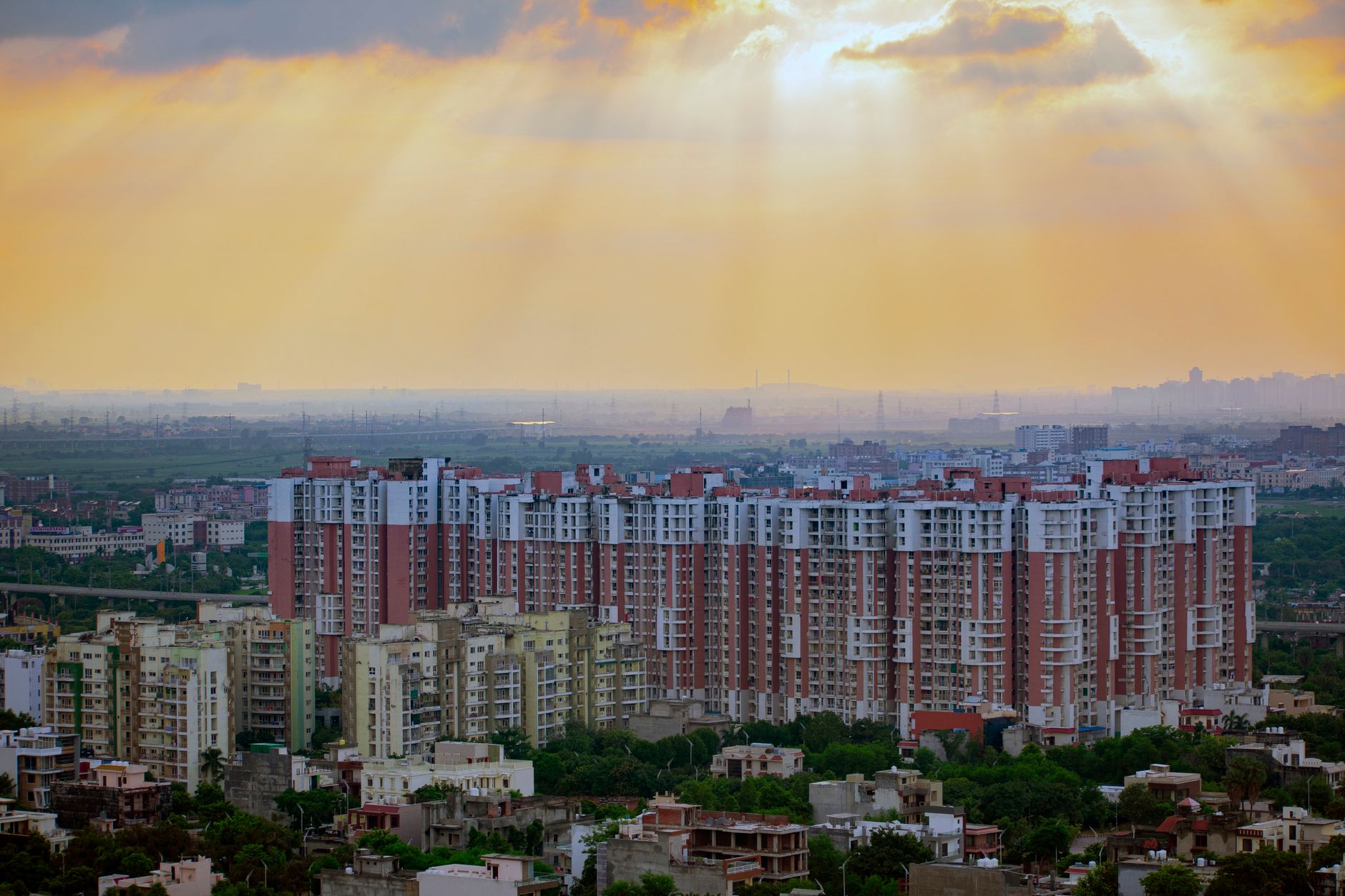
India's real estate sector is witnessing a significant shift as housing sales drop 6% across seven major cities, sparking fresh concerns about the shrinking availability of homes within reach of middle-class families. This decline comes at a time when property prices continue to climb, creating a perfect storm of affordability challenges for average Indian homebuyers.
The Numbers Behind the Decline
The residential real estate market in India's primary metropolitan centers has experienced a noticeable slowdown in transaction volumes. Cities including Mumbai, Delhi-NCR, Bengaluru, Pune, Hyderabad, Chennai, and Kolkata have collectively recorded this downturn, signaling a broader market correction or shift in buyer sentiment.
This decline is particularly concerning because it coincides with a period when housing demand should theoretically remain strong. India's growing urban population, nuclear family trends, and improving economic conditions have historically driven steady demand for residential properties.
Why Middle-Class Buyers Are Struggling
The affordability crisis in Indian real estate has reached critical levels for middle-income households. Several factors have contributed to this squeeze:
- Property prices in major cities have risen significantly faster than wage growth over the past decade
- Premium and luxury segment projects dominate new launches, with limited inventory in the affordable housing category
- Rising home loan interest rates have increased EMI burdens, reducing borrowing capacity
- Additional costs including GST, stamp duty, and registration fees add substantially to the total outlay
- Most new developments focus on larger apartments with premium amenities, pushing prices beyond middle-class budgets
The average middle-class family in metropolitan India now faces property prices that are often 8-12 times their annual household income, far exceeding the internationally accepted affordability ratio of 3-5 times annual income.
Developer Focus Shifts Upward
Real estate developers have increasingly pivoted toward high-margin premium and luxury projects, particularly after the sector's consolidation following RERA implementation and the COVID-19 pandemic. Only financially robust developers survived recent market challenges, and many have chosen to focus on affluent buyers who offer better margins and faster sales velocity.
This strategic shift has resulted in a severe supply-demand mismatch in the affordable housing segment. While government schemes like Pradhan Mantri Awas Yojana exist, they primarily target the economically weaker sections and lower-income groups, leaving the middle class without adequate options in desirable locations.
Location and Connectivity Challenges
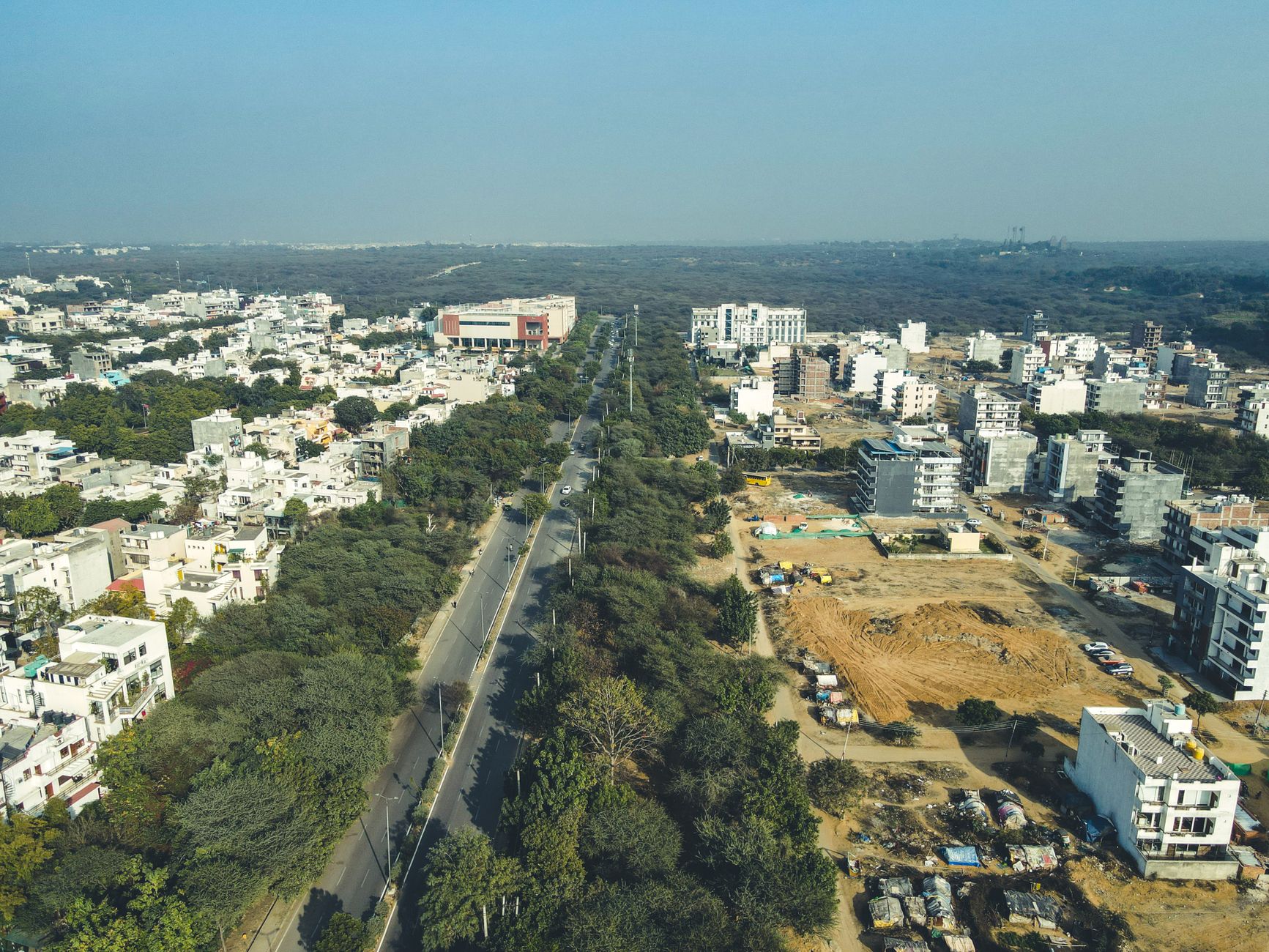
Affordable housing projects that do exist are increasingly located in peripheral areas with limited connectivity and infrastructure. Middle-class buyers face a difficult choice between compromising on location and commute times or stretching their budgets for better-located properties.
The work-from-home trend temporarily reduced the importance of location, but as offices reopen, proximity to employment centers has once again become crucial. This has further limited viable options for middle-class homebuyers who cannot afford the premium that central locations command.
Impact of Rising Input Costs
Construction costs have escalated sharply due to higher prices for cement, steel, and labor. These increased costs have been passed on to consumers, making even mid-segment housing projects more expensive. Developers argue that maintaining margins while offering affordable pricing has become increasingly challenging.
Market Outlook and Possible Solutions
Industry experts suggest several measures that could help address the middle-class housing crisis:
- Incentivizing developers to build mid-segment housing through tax benefits or expedited approvals
- Expanding the definition and benefits of affordable housing to include the middle-income segment
- Improving suburban infrastructure and connectivity to make peripheral locations more attractive
- Offering interest rate subventions specifically for middle-class homebuyers
- Reducing GST on affordable and mid-segment housing projects
The current slowdown may eventually force developers to reconsider their product mix and pricing strategies. If sales continue to decline, market forces could naturally push developers back toward segments with deeper buyer pools, including the middle class.
However, without policy interventions and market corrections, the dream of homeownership may drift further from reach for India's middle-class families, potentially creating long-term social and economic implications as homeownership has traditionally been a key wealth-building tool for Indian households.
The coming months will be crucial in determining whether this sales decline represents a temporary blip or signals a more fundamental restructuring of India's urban housing market.