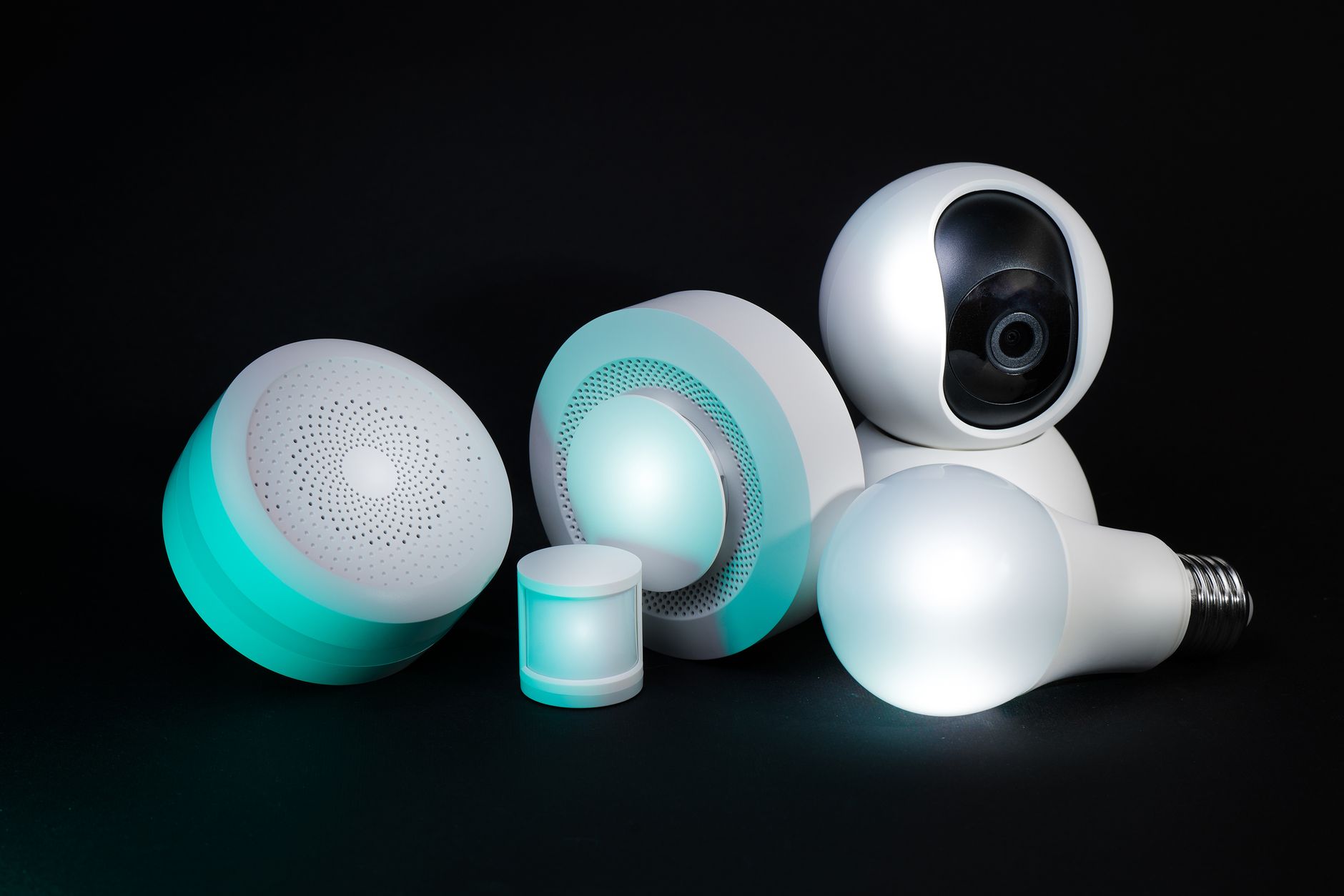
The Asia-Pacific home automation system market is poised for remarkable growth over the next decade, reflecting the region's rapid technological advancement and changing consumer preferences. As smart home technology becomes more accessible and affordable, millions of households across India, China, Japan, and Southeast Asia are embracing automated solutions for enhanced convenience, security, and energy efficiency.
Understanding Home Automation Systems
Home automation refers to the technological management of household appliances and features through internet-connected devices. These systems allow homeowners to control lighting, climate control, security cameras, door locks, entertainment systems, and kitchen appliances remotely via smartphones or voice commands. The integration of artificial intelligence and machine learning has made these systems increasingly intuitive and responsive to user habits.
Key Drivers of Market Growth
Several factors are propelling the expansion of home automation in the Asia-Pacific region. Rapid urbanisation has created a large middle-class population seeking modern conveniences and lifestyle upgrades. Rising disposable incomes in countries like India and China enable more consumers to invest in smart home technologies that were once considered luxury items.
The proliferation of high-speed internet connectivity and widespread smartphone penetration has made smart home adoption technically feasible for millions. Additionally, growing awareness about energy conservation and the desire to reduce utility bills motivates homeowners to install automated systems that optimise power consumption.
Security concerns in densely populated urban areas drive demand for smart security systems, including video doorbells, motion sensors, and intelligent surveillance cameras. The COVID-19 pandemic accelerated this trend, as people spent more time at home and invested in making their living spaces more comfortable and secure.
Popular Home Automation Segments
The lighting control segment remains one of the most accessible entry points for consumers exploring home automation. Smart bulbs and switches allow users to adjust brightness, colour, and schedules through mobile applications, offering both convenience and energy savings.
Climate control systems, including smart thermostats and air conditioning management, represent another significant segment. These devices learn user preferences and adjust temperatures automatically, reducing energy waste whilst maintaining comfort.
Security and access control systems are experiencing robust growth, particularly in India's metropolitan cities. Video intercoms, smart locks, and integrated alarm systems provide peace of mind and can be monitored remotely from anywhere.
Entertainment and multimedia automation allows seamless control of audio-visual equipment throughout the home, creating customised experiences for different rooms and occasions.
India's Position in the Regional Market
India is emerging as a major player in the Asia-Pacific home automation landscape. The country's large population, expanding middle class, and government initiatives promoting smart cities create a fertile environment for market growth. Major Indian cities including Mumbai, Delhi, Bangalore, and Hyderabad are witnessing increased adoption of smart home technologies.
Indian consumers are particularly interested in solutions that address local concerns such as power backup management, water level monitoring, and air quality control. Domestic companies are developing products tailored to Indian needs, whilst international brands are adapting their offerings for price-sensitive segments.
Challenges and Considerations
Despite promising growth projections, several challenges remain. The relatively high initial investment required for comprehensive home automation systems can deter budget-conscious consumers. Interoperability issues between devices from different manufacturers sometimes complicate installation and usage.
Privacy and data security concerns persist as connected devices collect information about household activities. Consumers need assurance that their personal data remains protected from cyber threats and unauthorised access.
Limited technical knowledge among some consumer segments necessitates better education and after-sales support. Service networks must expand to tier-2 and tier-3 cities to support broader adoption.
Future Outlook
The trajectory for home automation in Asia-Pacific appears highly positive. Technological advancements will continue making systems more affordable and user-friendly. Integration with renewable energy sources, electric vehicles, and smart grid infrastructure will create comprehensive home energy management ecosystems.
Voice-controlled assistants and artificial intelligence will become more sophisticated, anticipating needs rather than simply responding to commands. The concept of truly intelligent homes that adapt to occupants' routines and preferences will gradually become reality for growing numbers of Asian households.
This article provides general information about market trends and technology adoption. Readers should conduct their own research and consult with qualified professionals before making significant investment decisions in home automation systems.