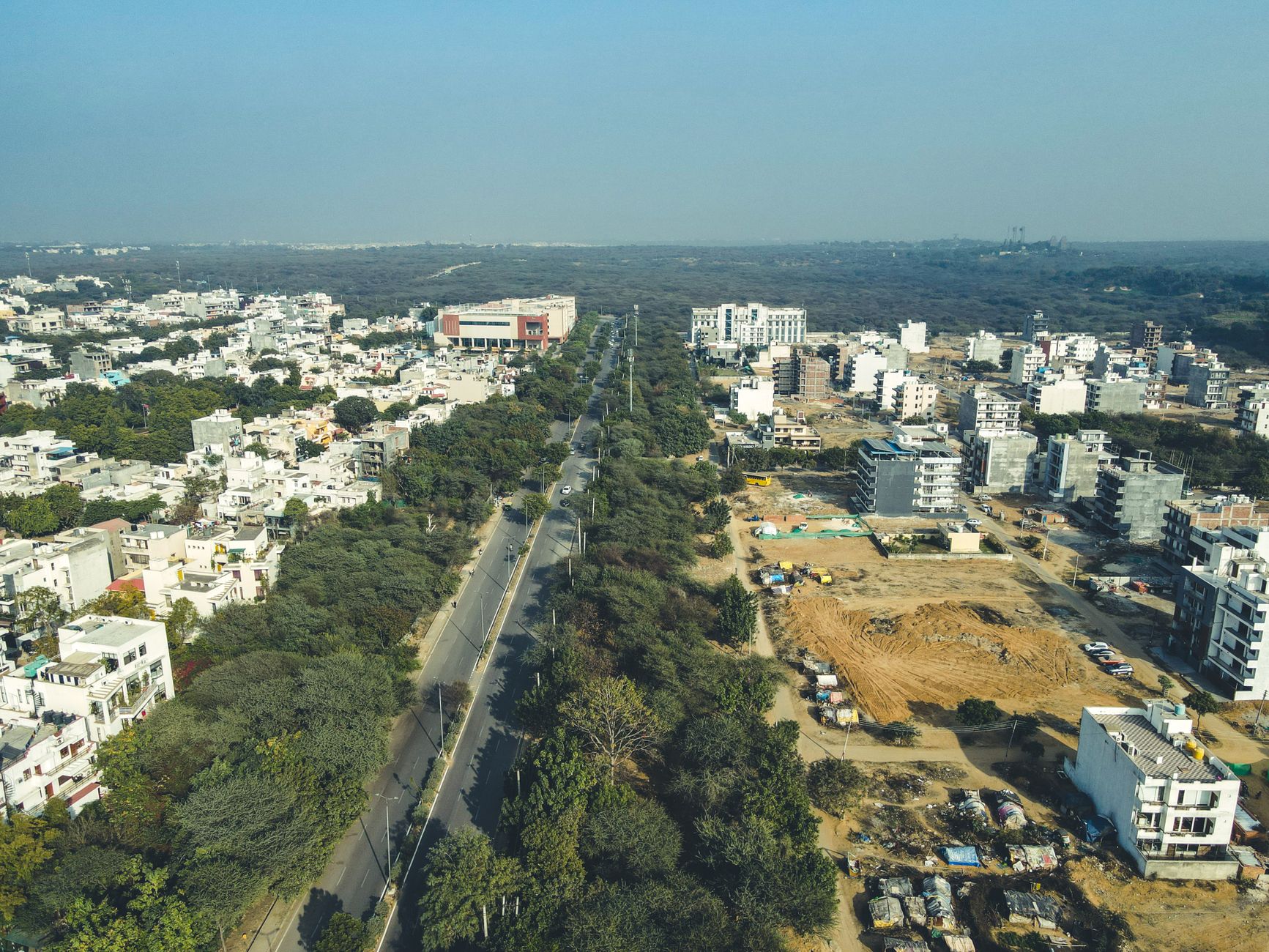
Non-Resident Indians (NRIs) have traditionally maintained ties with their homeland through property ownership, typically purchasing a family home for personal use or as a legacy asset. However, a noticeable shift is occurring, with NRIs now investing in multiple properties across Indian cities. This trend reflects changing investment strategies, evolving lifestyle needs, and confidence in India's real estate sector.
Favorable Currency Exchange Dynamics
One of the primary drivers behind NRIs purchasing multiple properties is the advantageous currency exchange rate. For Indians residing in countries with stronger currencies like the US, UK, Canada, Australia, and Middle Eastern nations, the rupee's relative weakness makes Indian real estate significantly more affordable. What might represent a modest investment in their country of residence can translate into substantial purchasing power in India's property market. This currency arbitrage enables NRIs to diversify their real estate portfolio across multiple Indian cities without stretching their budgets considerably.
Diversified Investment Strategy
NRIs are increasingly viewing Indian real estate as a strategic component of their global investment portfolio. Beyond emotional attachment, they recognize the potential for capital appreciation and rental income. India's urbanization, infrastructure development, and economic growth have made property investment attractive across tier-1 and tier-2 cities. By purchasing multiple properties, NRIs spread risk across different markets and property types, from residential apartments to commercial spaces and vacation homes.
The rental yields in Indian metros can provide steady passive income streams, particularly appealing when converted back to foreign currency. Many NRIs purchase properties specifically for rental purposes, targeting areas with high demand from working professionals or students.
Retirement and Reverse Migration Planning
A significant number of NRIs are purchasing additional properties with retirement in mind. As many plan to eventually return to India post-retirement, they're securing properties in advance, taking advantage of current market conditions and avoiding future price escalations. Some purchase properties in their hometowns for sentimental reasons, while others invest in retirement-friendly cities like Goa, Coorg, or hill stations that offer pleasant climates and quality healthcare facilities.
This forward planning also allows NRIs to rent out these properties until they're ready to return, generating income that often covers maintenance costs and home loans.
Multi-City Lifestyle Aspirations
The rise of remote work and flexible lifestyles has encouraged NRIs to think beyond single-location ownership. Many are purchasing properties in multiple cities to create a network of homes they can use during visits to India. A typical portfolio might include an apartment in a metro city where they have business interests or family, a vacation home in a leisure destination, and an ancestral property in their hometown.
This multi-city approach provides flexibility during Indian visits, eliminates hotel expenses, and creates a sense of rootedness across different regions.
Family Distribution and Succession Planning
NRIs with multiple children often purchase separate properties as part of inheritance planning, ensuring each child has an asset in India. This approach simplifies future estate distribution and provides children who may be growing up abroad with a tangible connection to their heritage. Additionally, properties designated for specific family members can be customized according to their preferences and potential future needs.
Tax Benefits and Regulatory Ease
Recent years have seen improved regulatory frameworks for NRI property transactions. The ability to repatriate funds, simplified KYC processes, and digital documentation have made property purchases more convenient. While NRIs can claim tax deductions on home loan interest for two self-occupied properties, additional rental income from other properties can also be tax-optimized through various deductions for maintenance, repairs, and municipal taxes.
Growing Confidence in Indian Markets
India's stable democracy, improving ease of doing business rankings, and economic resilience have bolstered NRI confidence in long-term investments. Major infrastructure projects, metro expansions, and smart city initiatives are enhancing urban living standards, making real estate investments more attractive. The government's focus on housing for all and property sector reforms has also created a more transparent and organized market.
Emotional and Cultural Anchoring
Beyond financial considerations, multiple property ownership allows NRIs to maintain deeper connections with India. Properties in different cities enable them to stay connected with extended family across regions, preserve cultural ties, and ensure their children experience diverse aspects of Indian life.
The trend of NRIs purchasing multiple properties in India represents a confluence of financial pragmatism, lifestyle aspirations, and emotional bonds. As India continues its growth trajectory and NRI purchasing power remains strong, this trend is likely to strengthen further, reshaping the residential real estate landscape across Indian cities.
This article is for general informational purposes only and should not be construed as financial or investment advice. Property investment involves risks, and tax implications vary by individual circumstances. Readers should consult qualified financial advisors and tax professionals before making property investment decisions.