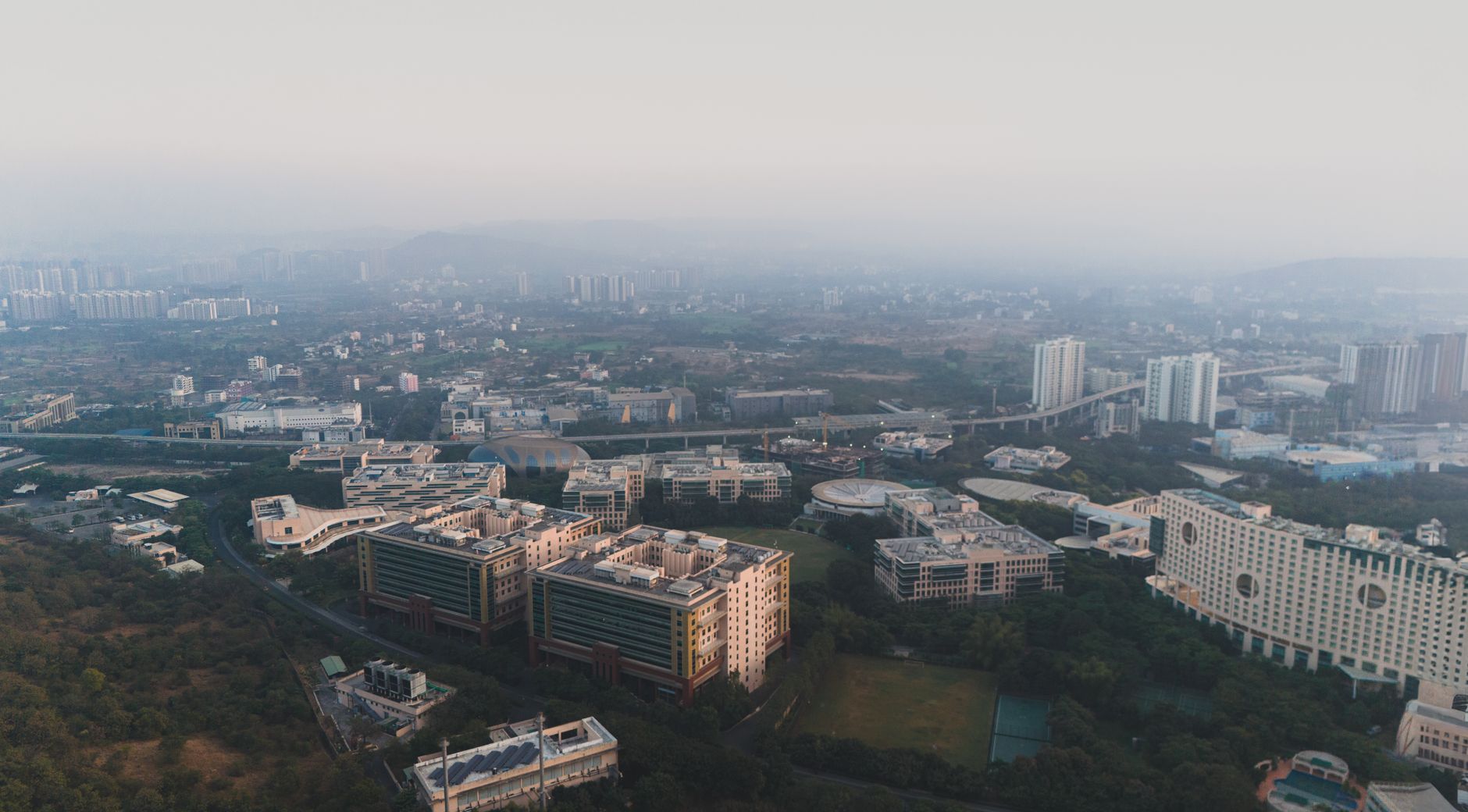
India's real estate sector has long been considered a cornerstone of wealth creation for Indian families, but industry leaders are now signaling that the next decade could present unprecedented opportunities for investors and homebuyers alike. This optimism stems from a confluence of factors including rapid urbanization, government policy support, and fundamental shifts in how Indians view property ownership.
The Changing Face of Indian Real Estate
India is witnessing one of the largest urban migrations in human history, with millions moving from rural areas to cities each year. This demographic shift is creating sustained demand for residential, commercial, and retail properties across the country. Unlike previous decades when real estate growth was concentrated in metros like Mumbai, Delhi, and Bangalore, today's opportunity is spreading to tier-2 and tier-3 cities that are experiencing their own economic booms.
Cities like Ahmedabad, Pune, Jaipur, Lucknow, and Coimbatore are seeing significant infrastructure development, improved connectivity through highways and metro projects, and the establishment of IT parks and manufacturing hubs. This decentralization of economic activity is making real estate investment viable beyond traditional metros, often at more accessible price points with higher potential returns.
What's Driving the Opportunity
Several structural factors are aligning to create this wealth generation window in real estate:
- Rising household incomes and growing middle class with increased purchasing power
- Record low home loan interest rates compared to historical averages
- Government initiatives like PMAY, Smart Cities Mission, and RERA bringing transparency and accountability
- Work-from-home culture prompting demand for larger homes and second properties
- Infrastructure investments in highways, metros, and airports enhancing connectivity
- Real Estate Investment Trusts (REITs) offering new avenues for smaller investors to participate
The formalization of the sector through regulations like RERA (Real Estate Regulatory Authority) has also brought much-needed confidence to buyers. Projects are now more transparent, completion timelines are enforced, and buyers have legal recourse, reducing the risk that previously plagued Indian real estate.
Beyond Residential: Diversification Opportunities
While residential real estate remains the primary focus for most Indian investors, the sector offers diverse opportunities. Commercial real estate, particularly office spaces in emerging business districts, continues to attract institutional investors. Warehousing and logistics properties have seen explosive growth due to e-commerce expansion. Co-working spaces, student housing, and senior living facilities represent niche segments with strong growth potential.
REITs have democratized access to commercial real estate, allowing investors to own a fraction of premium office buildings, malls, or IT parks with investments starting from as little as Rs 10,000-15,000. These instruments provide regular rental income and potential capital appreciation without the hassles of property management.
Understanding the Risks
Despite the optimistic outlook, real estate investment requires careful consideration. Property markets can be cyclical, and liquidity remains a concern—unlike stocks, you cannot sell property quickly. Location remains paramount; a poorly chosen property may not appreciate as expected regardless of broader market trends.
Buyers should thoroughly research developers' track records, verify all legal documentation, understand the true cost including stamp duty and registration, and avoid over-leveraging with excessive loans. The property should align with your financial goals, whether for personal use, rental income, or long-term appreciation.
Making Informed Decisions
For those considering real estate investment, experts recommend starting with clear objectives. Are you buying for self-use, rental income, or capital appreciation? Each goal demands different property characteristics. Self-use prioritizes location convenience and lifestyle amenities. Rental income requires properties in areas with tenant demand like near offices, universities, or hospitals. Capital appreciation often means betting on emerging localities with upcoming infrastructure.
Timing, while difficult to perfect, matters. Buying during market corrections or in pre-launch phases can offer better pricing. However, never compromise on builder credibility for price advantage.
The next phase of India's real estate growth story appears to be more inclusive, regulated, and spread across geographies. For informed investors with proper research and realistic expectations, the sector may indeed offer substantial wealth creation opportunities in the coming years.
This article is for general informational purposes only and should not be considered financial or investment advice. Real estate investments carry risks and individual circumstances vary. Readers should conduct thorough due diligence and consult qualified financial advisors before making any investment decisions.