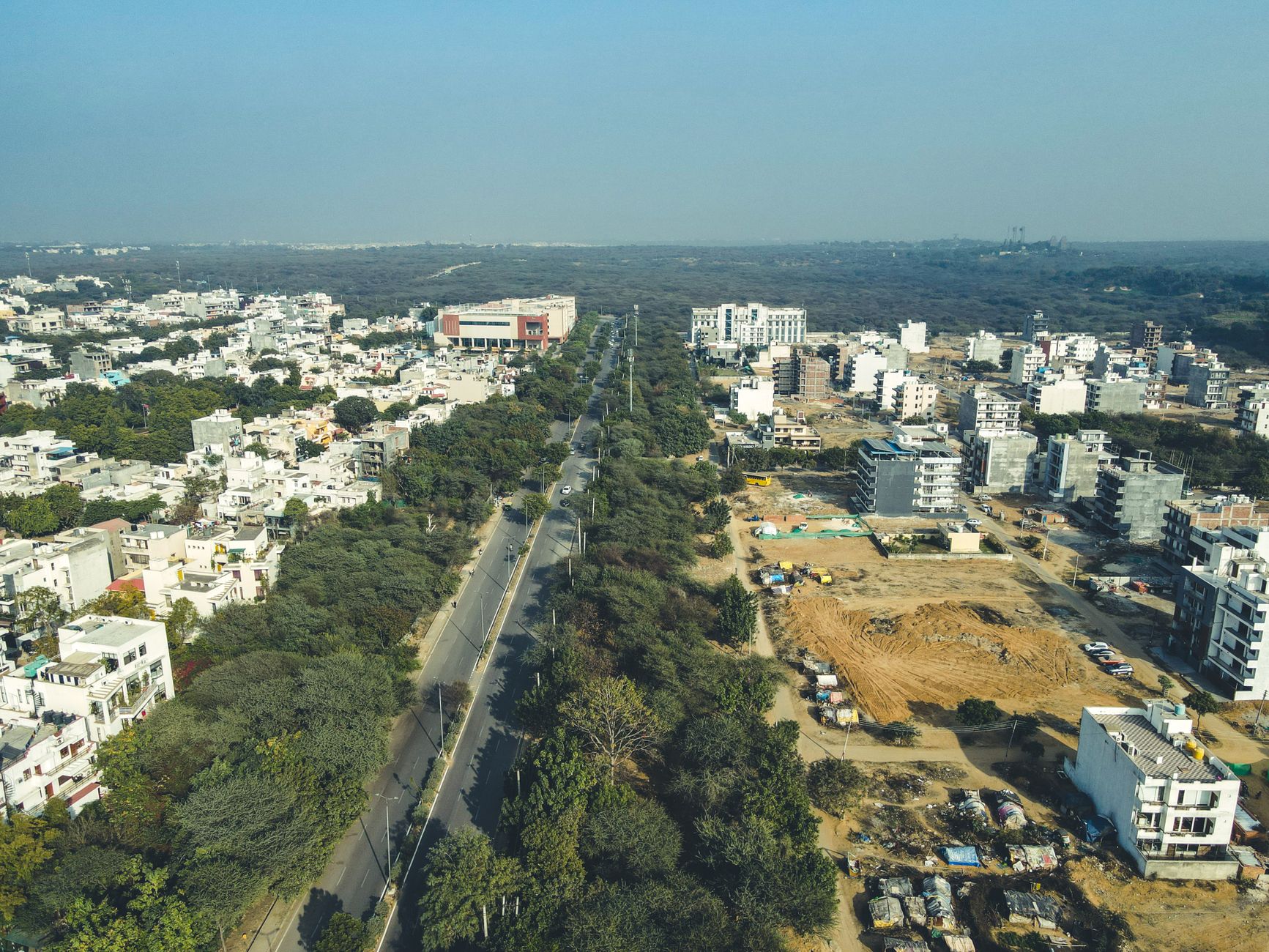
India's real estate sector is experiencing a transformative phase, with industry experts increasingly viewing it as the next major avenue for wealth creation in the country. This optimism stems from a combination of structural reforms, demographic shifts, and evolving market dynamics that are reshaping the property landscape.
The Fundamentals Driving Real Estate Growth
India's urbanization story remains one of the most compelling narratives in global real estate. With approximately 35% of the population currently living in urban areas, compared to over 80% in developed nations, the runway for growth is substantial. The United Nations projects that India will add nearly 416 million urban dwellers by 2050, creating enormous demand for residential, commercial, and retail spaces.
The country's young demographic profile further strengthens this case. A median age of around 28 years means millions of first-time homebuyers will enter the market over the next two decades. Rising household incomes, nuclear family structures, and aspirational consumption patterns are driving demand for quality housing and commercial properties.
Regulatory Reforms Creating Transparency
The implementation of the Real Estate Regulatory Authority (RERA) in 2016 marked a watershed moment for India's property sector. By mandating transparency, accountability, and timely project completion, RERA has restored buyer confidence that was severely damaged by previous decades of irregular practices.
The Goods and Services Tax (GST) has brought much-needed uniformity to property taxation, while measures like the Benami Transactions Act and mandatory PAN disclosure have reduced black money circulation. These reforms have professionalized the sector, attracting institutional investors and creating more stable, predictable returns.
Infrastructure Development as a Catalyst
Government spending on infrastructure has reached historic highs, with initiatives like the National Infrastructure Pipeline committing trillions of rupees to roads, metros, airports, and smart cities. Each new metro line, expressway, or airport creates multiple real estate opportunities along its corridor.
The development of tier-2 and tier-3 cities presents particularly attractive opportunities. Cities like Ahmedabad, Pune, Kochi, and Indore are witnessing rapid infrastructure improvements, making them viable alternatives to congested metros while offering better valuations and growth potential.
Diversification Beyond Residential
While residential real estate has traditionally dominated Indian property markets, diversification into other segments is creating new wealth creation avenues. Commercial office spaces have benefited from India's IT and services boom, with Grade A office demand remaining robust despite hybrid work models.
Warehousing and logistics real estate has emerged as a high-growth segment, driven by e-commerce expansion and the need for modern supply chain infrastructure. Real Estate Investment Trusts (REITs) have democratized access to commercial real estate, allowing retail investors to participate in institutional-grade assets with relatively modest capital.
Data centers, cold storage facilities, and specialized industrial parks represent niche segments with strong fundamentals and limited supply, offering attractive risk-reward profiles for informed investors.
Investment Strategies for Wealth Creation
Real estate wealth creation requires strategic thinking beyond simple property appreciation. Key approaches include:
- Identifying emerging micro-markets in growing cities before prices peak
- Focusing on locations with upcoming infrastructure improvements
- Considering rental yield alongside capital appreciation potential
- Diversifying across residential, commercial, and alternative segments
- Leveraging REITs for liquidity and professional management
- Evaluating builder credibility and project completion track records
Challenges to Navigate
Despite the optimism, investors must remain cognizant of challenges. Real estate remains relatively illiquid compared to financial assets, requiring longer investment horizons. Property markets are cyclical, and timing matters significantly. Oversupply in certain micro-markets can depress prices for extended periods.
High transaction costs, including stamp duty and registration charges that vary by state, can impact overall returns. Property maintenance, tenant management, and regulatory compliance require active involvement or professional management.
The Road Ahead
India's real estate sector stands at an inflection point where structural factors align favorably for sustained growth. The formalization of the economy, rising prosperity, urbanization, and improved governance create conditions conducive to wealth creation.
However, success requires informed decision-making, patience, and a clear understanding of local market dynamics. Real estate should form part of a diversified portfolio rather than the sole investment strategy, with allocation depending on individual financial goals, risk appetite, and investment horizon.
This article is for general informational purposes only and should not be construed as investment advice. Real estate investments carry risks, and past performance does not guarantee future results. Readers should conduct thorough due diligence and consult qualified financial advisors before making investment decisions.